
Introduction: The Business Case for Clean Speech
Define the chain, then audit the links. In enterprise audio, every hop from mic to speaker touches cost, time, and brand trust. A conference room mic system can turn small flaws into lost minutes and missed signals. Picture a quarterly review: 12 people in a hybrid session, two remote VPs, and a CFO asking for clarity on margins—yet the room adds 250 ms of lag, a poor signal-to-noise ratio, and weak acoustic echo cancellation. That’s not just friction; it’s a tax on decisions (and on patience).
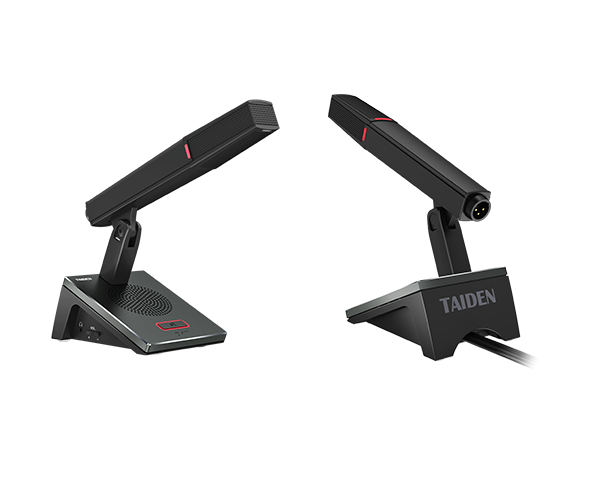
Research shows that audio issues waste 5–12% of meeting time in mid-size organizations. At scale, that’s thousands in soft costs per room each quarter. The fix seems simple, but it is not. Gain structure, beamforming choice, and the DSP pipeline all shape outcomes. Edge computing nodes and power converters also add failure points—funny how that works, right? So the question is not, “Does it work?” The question is, “Does it stay stable when the room is full, loud, and fast?” Numbers matter to finance, but ears decide. We need both.
Let’s move from the abstract to the first pressure point.
Part 2: Hidden Fault Lines in the Chairman Unit
Where do meetings actually fail?
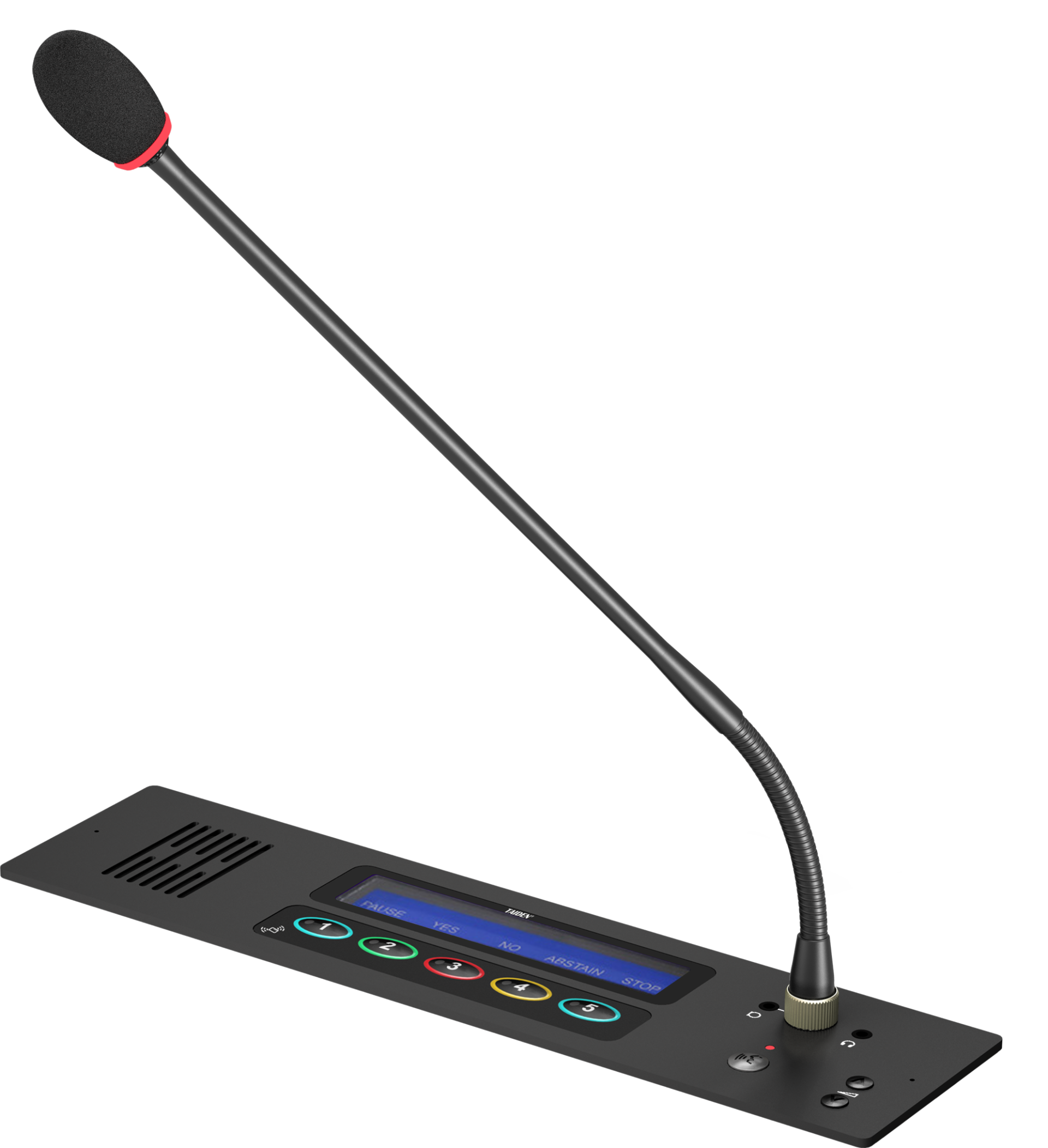
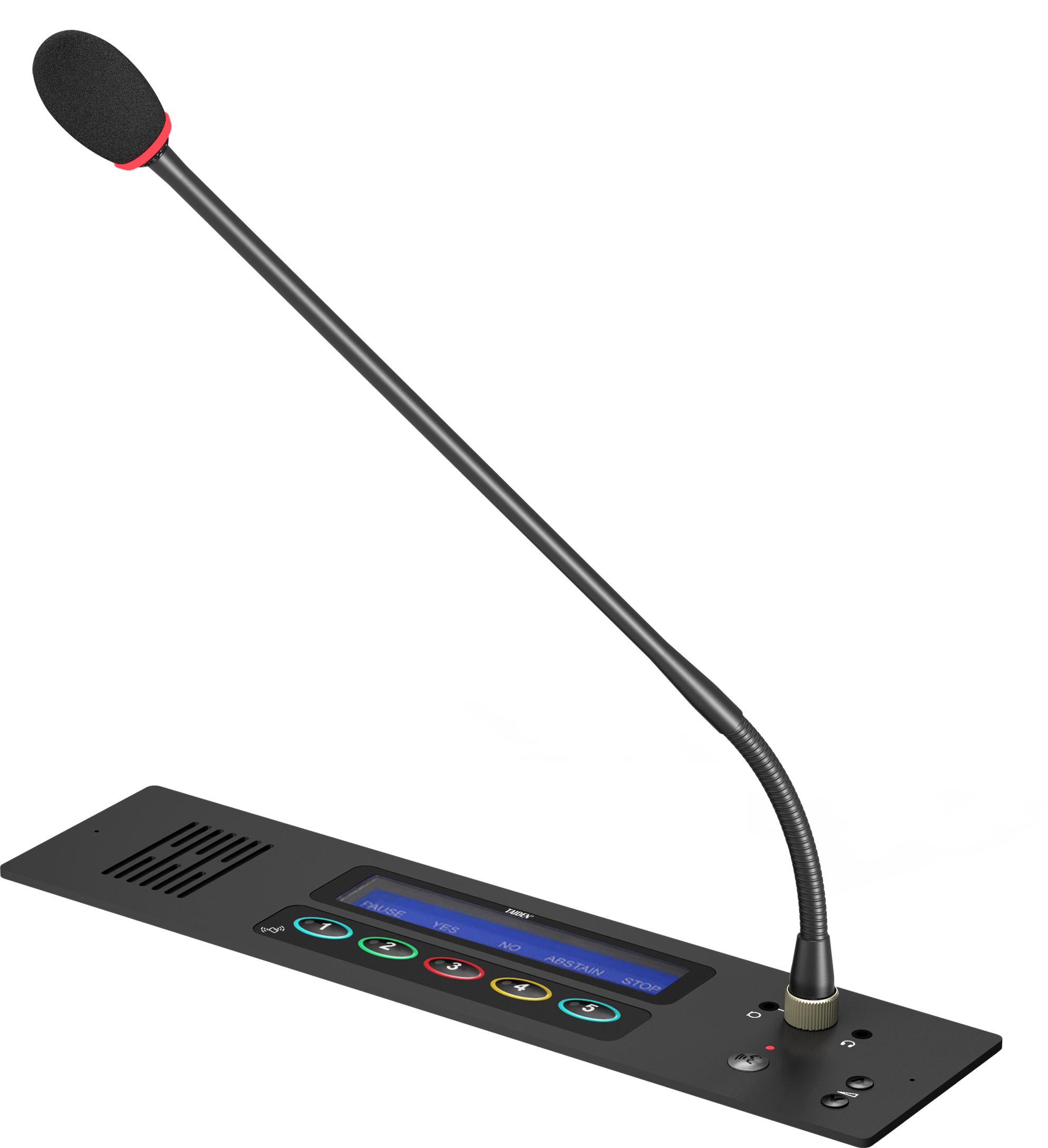
Here’s the blunt truth: the chairman unit is often treated like a magic switch. It is not. It sets priority, controls floor access, and anchors talk flow. Yet when rooms get lively, its queue logic, gain ramps, and push-to-talk timing can break the conversation. Look, it’s simpler than you think: if the priority mic steals headroom or clips at 0 dBFS peaks, downstream DSP and AEC struggle. The result is stutter, cross-talk, and a higher latency budget. In high-stakes boards, that feels like risk, not convenience.
Traditional setups assume the chair speaks cleanly and others follow. Reality bites. People overlap. Sidebars happen. A rigid floor control forces awkward pauses. If power converters sag or RF shielding is weak (wireless add-ons do this), the chairman path may pop while the rest stay stable—odd, but common. And when the chair rides a long gooseneck, poor isolation can feed back into ceiling speakers. That’s not user error; it’s system design. The fix? Calibrated gain structure, faster debounce on push-to-talk, and smarter AEC profiles for the leader mic. That keeps authority without choking the room.
Part 3: Forward-Looking Principles That Outperform
What’s Next
Let’s compare old control to new science. The durable model pairs a tuned gooseneck condenser microphone with distributed DSP at edge computing nodes. Why? Adaptive gain sharing auto-mixers now read turn-taking in real time. They shorten opens, trim spill, and protect the chair’s presence without hard locks. Modern AEC tracks longer echo tails, holds stability during overlaps, and cuts return echo even when the room gets loud. Add networked audio—Dante or AVB—and you can keep end-to-end latency under 150 ms while logging every event for support. With PoE and redundant paths, power loss in one switch does not kill the session—small detail, big value.
There’s also a practical trade. Beamforming ceiling arrays are clean for uncluttered tables, but a close-talk gooseneck lifts SNR by design, especially for soft voices. A well-placed chair mic with fast gating beats heavy noise suppression in many rooms—funny how that works, right? The lesson from Part 2 holds: rigid floor control hurts flow; intelligent mixing preserves it. So measure what matters. Watch latency budgets, intelligibility, and failure recovery. In short, align technology choices with how people actually interrupt, pause, and resume. Systems that respect human timing win deals and save time.
Advisory close: use three metrics when you evaluate solutions. First, intelligibility—target STI in the 0.6–0.75 range in occupied rooms. Second, stability under load—keep end-to-end latency below 150 ms with AEC engaged and two talkers overlapping. Third, recoverability—design for sub–5-minute mean time to restore after a device or switch glitch. If a platform can prove these in your space with a gooseneck condenser microphone and a resilient chair path, you’re buying confidence, not just hardware. For deeper specs and reference designs, see TAIDEN.