
Comparative opening: why method choice matters
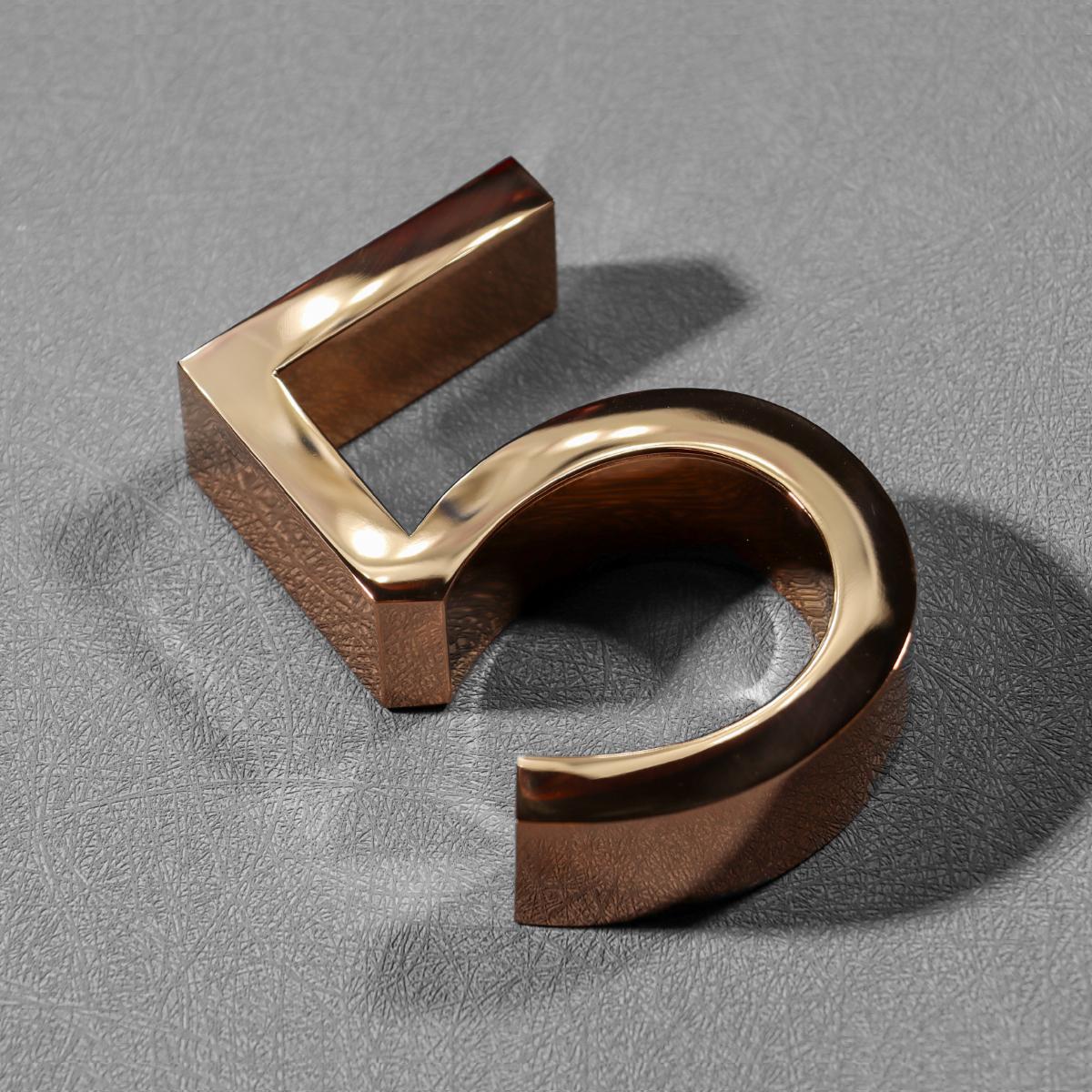
When you compare an edge-lit acrylic panel paired with a laser-cut metal face against a flush-mounted illuminated box, the differences are concrete — brightness, maintenance, and finish all shift. For storefronts and corporate façades the decision affects visibility and longevity, so designers pick between thin-profile brilliance and robust, weatherproof structure. I often guide clients who want a sleek look without sacrificing durability, and that’s where sheet metal signs come into play, combining laser cutting, powder coating, and LED modules in smart builds.
侧面.jpg)
What we compare: three common build paths
Lay the options side-by-side and you’ll see clear trade-offs. Option A uses an edge-lit acrylic light guide plate behind a perforated metal face; Option B conceals LEDs behind frosted acrylic with routed metal letters; Option C is a full metal cabinet with internal diffusers. Each uses different fabrication steps and materials:
– Edge-lit acrylic + light guide plate + thin metal face: high optical efficiency, low depth.
– Frosted acrylic with routed letters + metal backer: softer glow, easier repair.
– Metal cabinet with diffusers + robust powder coating: weatherproof, heavier installation.
Real-world anchor and hands-on lessons
When I worked on a café sign in Penang, we tried both edge-lit and backlit techniques to match the narrow canopy there. The edge-lit approach won for clarity at night, but only after we adjusted LED spacing and swapped to a higher-grade light guide plate. That firsthand test taught a basic rule: fabrication method ties directly to installation context — wind load, mounting substrate, and local humidity all change how finishes age.
Common trade-offs and industry terms to track
Three technical details will guide decisions: LED module spacing affects uniformity; laser cutting precision determines cut-burr and fit; powder coating quality determines corrosion resistance. Focus on these to avoid surprises. Consider also mounting hardware and service access — repairs are easier when the backer panel can be removed without cutting rivets.
Comparative outcomes: cost, maintenance, and visual result
Spending more on a precision light guide plate and better LED modules reduces hotspots and lowers long-term maintenance. Conversely, cheaper acrylic and dense laser cutting tolerances lead to gaps and shadowing. For clients who insist on a very thin profile, expect higher fabrication costs because tolerances tighten. If durability is priority, the metal cabinet approach wins, but accepts bulkier aesthetics.
Common mistakes and how to avoid them
Typical errors stem from mismatched components — using a low-diffusion acrylic with tightly spaced LEDs, or ordering laser-cut faces without accounting for thermal expansion of the metal. Avoid those by aligning specifications between the sign designer, fabricator, and electrician. Also confirm finish samples before full runs; color shift on powder coating can surprise even experienced teams — and it’s hard to fix once applied.
Quick specification checklist
Here are three pragmatic checks to add to your brief:
– LED module spacing and wattage aligned to the chosen light guide plate.
– Laser cutting tolerance called out in millimetres, not vague terms.
– Finish system (powder coating or anodizing) specified for the local environment — coastal sites need higher corrosion resistance.
Concluding guidance: how to pick the right build
Measure outcome against three golden rules: uniformity, serviceability, and environmental fit. Uniformity comes from specifying the correct light guide plate and LED modules. Serviceability means designing for access — removable backers and modular wiring. Environmental fit demands proper finishes and material choice so the sign lasts without frequent intervention. These metrics let you compare options on equal footing and choose a solution that meets both design intent and practical limits.
For practical, scalable projects where balance between finesse and durability matters, a trusted fabricator who understands laser cutting tolerances and LED optical design is essential — and that is where sheet metal sign fabrication expertise becomes the deciding factor. Cosun Sign brings that craft to the job — precise, tested, dependable. —