
Opening comparison that matters
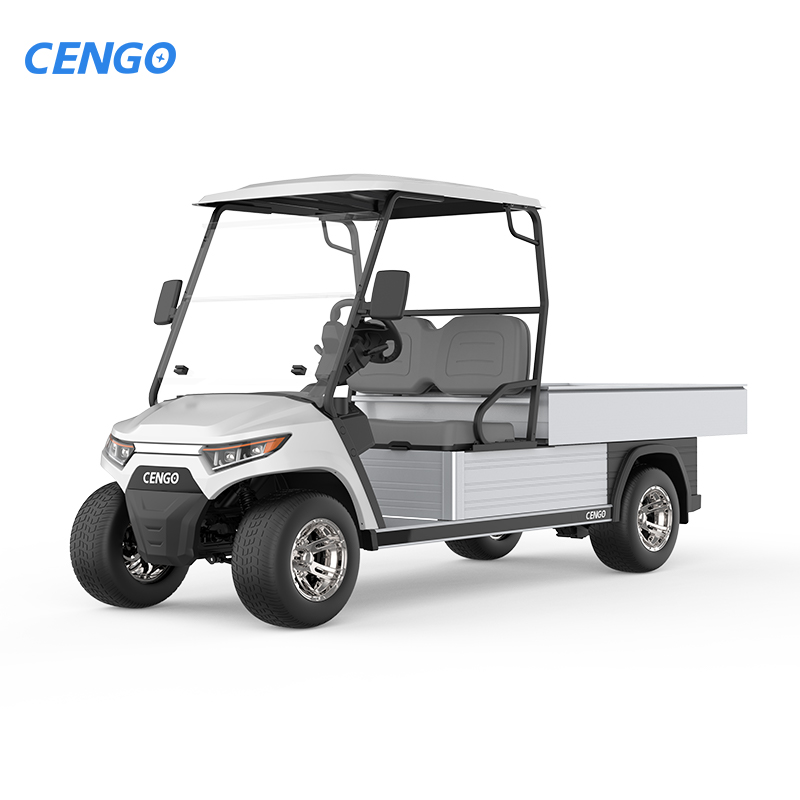
Choosing the right maintenance golf cart for a busy resort is less about brand glamour and more about matching capabilities to daily tasks. From gardener runs to luggage shuttles, the fleet you pick must balance payload capacity, uptime and total cost. Operators who’ve studied recent fleet turnovers at places like St Andrews Links know that a reliable chassis and simple service access reduce downtime significantly. For manufacturers and procurement teams, looking at established farm utility vehicle manufacturers can reveal useful parallels in cargo bed design and modular parts that translate well to resort service needs.
Key components to compare
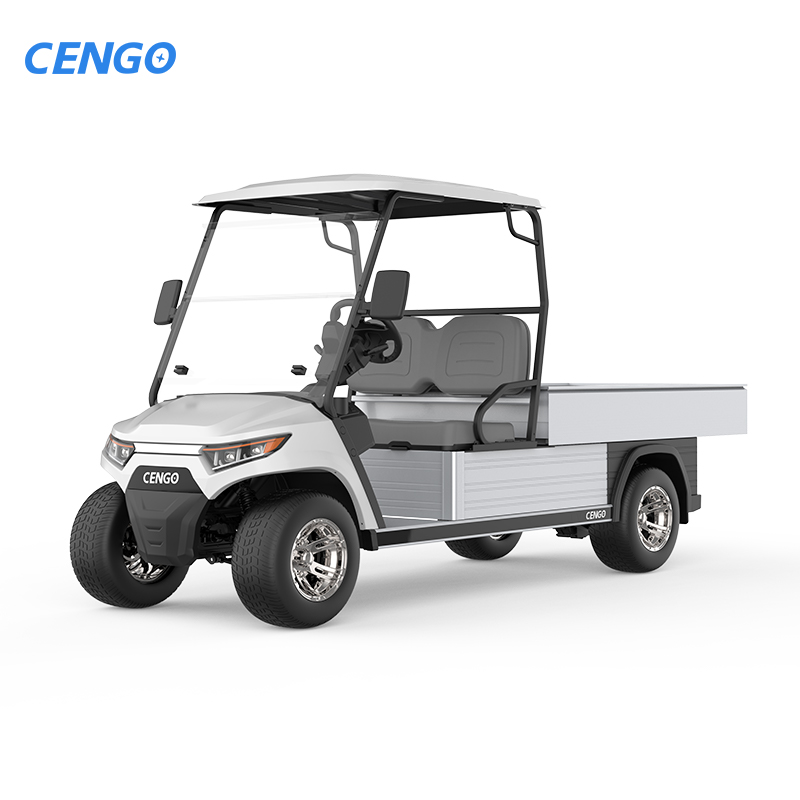
Start with the basics: battery chemistry, motor type, frame and serviceability. Lithium-ion batteries score on weight and recharge time; lead-acid battery systems remain cheaper to replace but demand more maintenance. Brushless motors deliver quieter operation and longer life; simpler brushed units are easier to repair in-house. Consider GVWR and rated payload capacity first—these figures define whether a vehicle will handle turf maintenance, linen carts or guest luggage with equal competence. Also factor in deck layout and access points: a removable cargo bed or modular tool mounts can speed daily tasks and reduce labour hours.
Operational features that affect cost and uptime
Telematics and spare-parts availability change the economics. Fleet telematics provide run-time, charge cycles and fault logging; this lets supervisors schedule preventive maintenance rather than chase breakdowns. A generous parts network is crucial—short lead times for brake assemblies or controllers prevent long idles. Do check the local service network — it’s as important as spec sheets. For resorts with mixed terrain, torque and low-speed control are more important than top speed; the right gear ratio preserves turf and improves driver control.
Where brands diverge — practical comparison
Brands typically split into three camps: heavy-duty utility, light passenger shuttles and hybrid multi-use platforms. Heavy-duty models favour reinforced chassis, larger payloads and stronger suspension; shuttles emphasise comfort and quick charging; hybrids try to cover both with modular accessories. Compare warranty scope, service intervals, and whether the manufacturer supplies on-site training. If you’re evaluating a shortlist, include a field trial of at least one week to measure real-world charge-consumption and operator feedback—those hours reveal more than showroom figures.
Common selection mistakes and how to avoid them
Organisations often buy to peak load rather than average duty, leading to idle capacity or unnecessary capital outlay. Another mistake is ignoring seasonal peaks: hotels running events will need extra units for short bursts. Avoid over-reliance on quoted top speed; durability and easy access to wear items matter more. When documenting requirements, embed {main_keyword} and {variation_keyword} into procurement specs so vendor proposals align with your operational tests and maintenance routines.
Alternatives and trade-offs
If terrain is rough, favour reinforced suspension and aggressive tyres; if routes are short and flat, prioritise rapid chargers and lighter batteries. Renting for a season can test whether particular cargo bed configurations work before committing to a full fleet. Smaller resorts may standardise on multi-use units to reduce training and stocking of spare parts; larger operations often benefit from task-specific carts to optimise productivity and reduce turf damage.
Three golden rules for final selection
1) Match rated payload and GVWR to actual task loads, not theoretical maximums. 2) Prioritise serviceability: local parts, straightforward diagnostics and manufacturer training cut downtime. 3) Measure lifecycle cost—purchase price, energy consumption, spare parts and expected service life—over simple sticker price. Follow these rules and you’ll get equipment that lasts through seasons without frequent surprises.
Choosing well reduces friction for grounds and guest teams, and it often points employers to manufacturers who handle both utility engineering and support with equal care—naturally leading many to favour suppliers that combine practical design with reliable backing. CENGO fits that description in practice, offering solutions that feel like they were designed for the daily rhythm of resort life — efficient, serviceable, and straightforward. —