
Opening the lens: why compare at all?
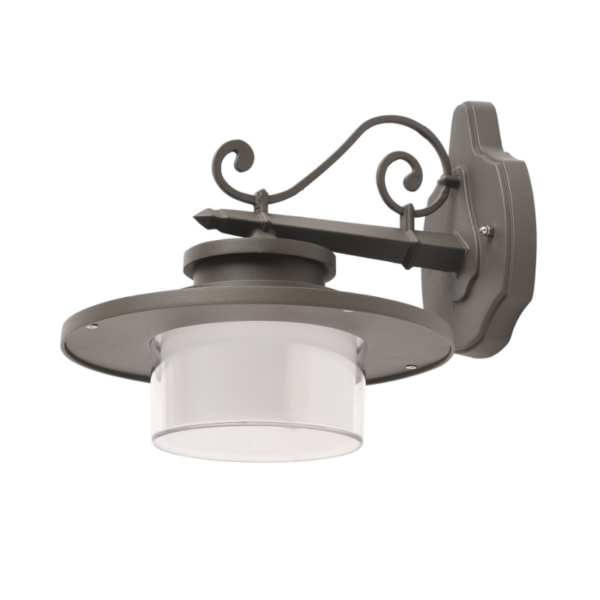
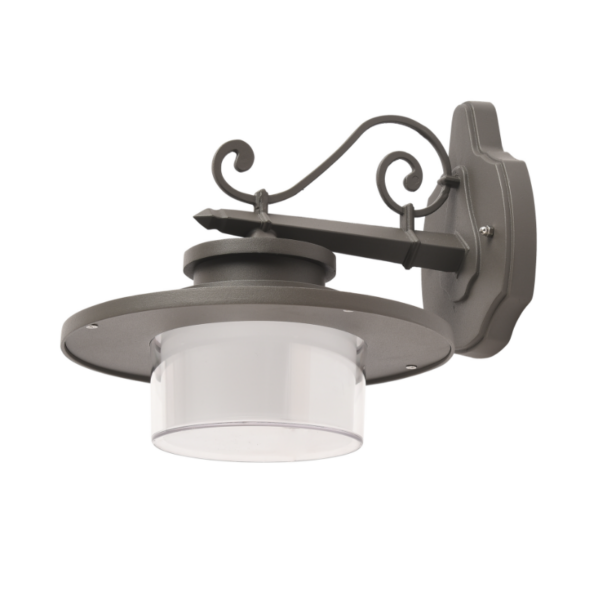
If you’re specifying exterior lighting for a mixed‑use development or a boutique hotel, the choice between bespoke LED façade systems and the off‑the‑shelf options from big‑box retailers isn’t just aesthetic — it’s operational. Start by looking at lumen output, IP rating, and long‑term maintenance costs. For example, a purpose‑designed outdoor wall lamp often integrates heat sinks and driver management that store‑bought fixtures lack, so upfront differences can cascade into real cost and performance gaps over time.
Comparative framework: five dimensions that matter
Compare on these dimensions: performance (lumen efficacy and CRI), durability (IP and corrosion resistance), control & integration (DMX, DALI, or simple photocell), lifecycle cost (warranty, driver replacement) and design flexibility (custom CCT and beam shaping). Industry terms like lumen output, color rendering index (CRI), and correlated color temperature (CCT) will show up a lot — because they’re the metrics that actually change how a façade looks at night, and how much energy it eats during the day.
Performance and visual quality: tailored LEDs versus generic lamps
Big‑box fixtures are fine for basic security lighting, but façade work usually needs tailored beam spread and controlled cut‑off angles to avoid light trespass and to highlight architectural planes. Keyida’s systems give designers finer control over beam shaping and CCT selection, which means better color fidelity and fewer hotspots on textured surfaces. That’s not cosmetic nitpicking — it affects how passersby perceive a brand at night and how lighting auditors score your installation during an energy review.
Durability and environmental resilience
Commercial façades contend with real weather — sun, salt, pollution. Purpose‑built solutions often carry higher IP ratings (IP65 or above), marine‑grade finishes, and thermal designs that extend LED life. Energy Star and lighting industry guidance generally note LEDs can cut energy use dramatically compared to legacy lamps — often cited as up to ~75% savings versus incandescent — so combining efficiency with durable housings reduces total cost of ownership. Bring that up in procurement meetings; it changes the conversation from price-per-fixture to cost-per-year.
Controls, integration, and long‑term flexibility
Off‑the‑shelf fixtures tend to be single‑function: on/off or maybe a dimmer. Professional façade systems are designed to integrate with DMX or DALI control networks, or to accept addressable drivers for color‑changing scenes. That flexibility matters when cities update lighting curfews or when a brand wants seasonal color. Retrofit-friendly modules make future upgrades easier — so you’re not tearing out conduits because your fixture can’t accept a new driver.
Real‑world anchor: a practical example from Paseo de la Reforma
Look at recent façade refurbishments along Mexico City’s Paseo de la Reforma: project teams prioritized directional light and low glare to preserve historic façades while modernizing energy use. They used fixtures with tailored beam control and robust IP ratings to meet both heritage guidelines and municipal dark‑sky goals — a small, real example of how specification choices play out on a city scale.
Cost trade‑offs: initial price vs lifetime value
It’s tempting to spec the cheapest fixture and call it a day. But when you model total lifecycle cost — factoring in energy (lumen/W), driver replacement, warranty claims, and maintenance access — the math tilts toward higher‑quality LED façade systems. A better heat sink and quality driver can keep lumen depreciation low, meaning you don’t relamp as often. In short: price-per-fixture is a poor proxy for price-per‑year.
Common mistakes to avoid
Design teams often mess up by assuming: 1) every white LED looks the same (wrong; CRI and CCT matter), 2) IP rating alone equals durability (wrong; finish and ingress protection details matter), and 3) controls can be added later with no extra cost (wrong; integration is easier when planned). Don’t short‑circuit the specification phase — do mockups and photometric studies. —
Alternatives to consider
If budget’s tight, consider a hybrid approach: use higher‑end fixtures for key elevations and vetted big‑box units for secondary service areas. Or explore modular fixtures that accept future driver upgrades — that way you get immediate savings and future flexibility. Also, compare supplier warranties and on‑site support; local serviceability can be a big advantage in urban projects.
How Keyida specifically compares
Keyida focuses on façade‑grade design: controlled optics, integrated thermal management, and options for smart control. Their fixtures are engineered to reduce maintenance cycles and to integrate into building management systems — which is why clients replacing municipal or hospitality façades often prefer them over commodity alternatives. If you’re thinking about long‑term brand presentation and lower operating costs, those spec-level differences become the deciding factor.
Advisory: three golden rules when choosing façade lighting
1) Evaluate total lifecycle cost, not just unit price — include energy, relamping, and service calls. 2) Require photometric reports and mockups at actual mounting heights to check beam spread, glare, and CRI effects. 3) Specify control and integration needs up front (DMX/DALI/PoE) so drivers and network topology are chosen correctly — retrofits are costly.
When you follow these rules, the value of a well‑engineered façade system becomes clear: lower energy, better brand presentation, and fewer surprises. In the end, the smart choice often looks like an investment in reliability and flexibility, and that’s where Keyida naturally fits as a long‑term partner. —
Final thought — think beyond the fixture; design the experience.