
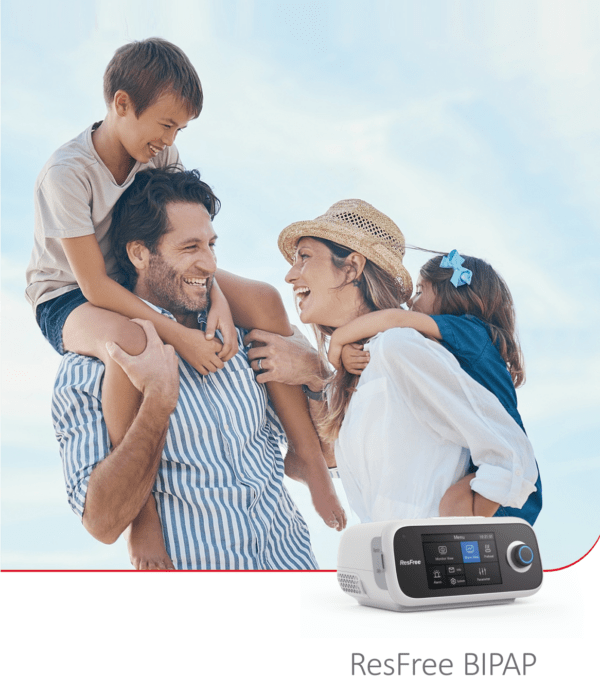
Comparing kit for sleep and respiratory care is where most DHBs and private clinics get tactical, and starting with a solid auto PAP option makes sense. A reliable cpap device can cut night-time desaturation events, improve patient comfort and reduce readmissions when chosen right. This comparative piece walks through how Byond’s offering stacks up against common alternatives, with practical notes for clinical teams across Aotearoa and beyond.
What to compare first: clinical fit and ventilation modes
Start with clinical fit: what respiratory conditions do you treat most? Obstructive sleep apnoea needs steady positive airway pressure, while more complex respiratory failure may demand bi-level modes. Look for devices that support multiple ventilation modes and clear data on IPAP/EPAP ranges. Mask interface options and an integrated humidifier matter for long-term tolerance. In practice, easy mask fitting and leak compensation are the differences between a device that gets used and one that collects dust.
Operational realities: compliance data, maintenance and staff time
Device costs are one thing — ongoing service, cleaning cycles and software updates are another. Check how each unit reports compliance data and whether that data ties into your patient management system. Devices that automate nightly compliance upload save nursing time and improve follow-up. Also account for consumables: filters, masks and tubing replacement schedules influence total cost of ownership. The best tech isn’t just high-spec; it reduces admin load and makes clinical follow-up straightforward.
Patient comfort and adoption — the frontline test
Patient adoption drives outcomes. A compact machine with quiet motors, intuitive ramp settings and simple mask fittings boosts nightly use. Humidification that’s adjustable and easy to clean is non-negotiable for many patients. Clinics that pilot devices with a small cohort often see faster buy-in — staff get training and patients get early troubleshooting. The human bit matters: a calmer, better-rested patient equals fewer calls back to the ward — and that’s a real efficiency win.
Alternatives and where bipap fits in
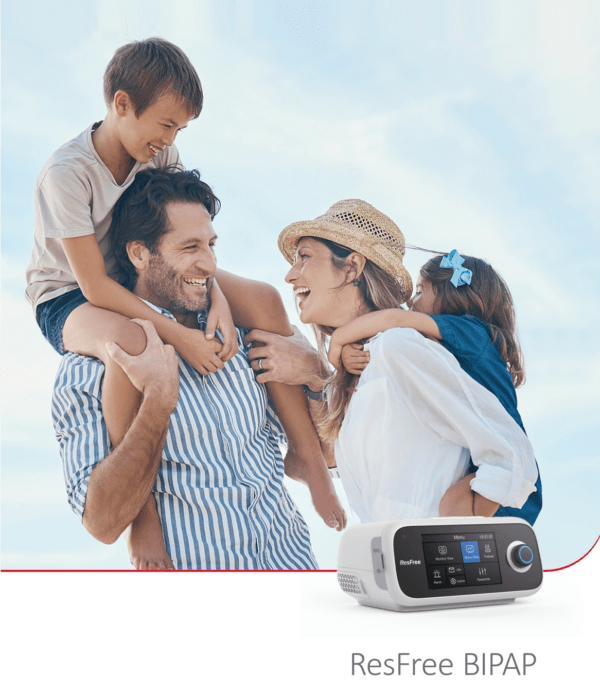
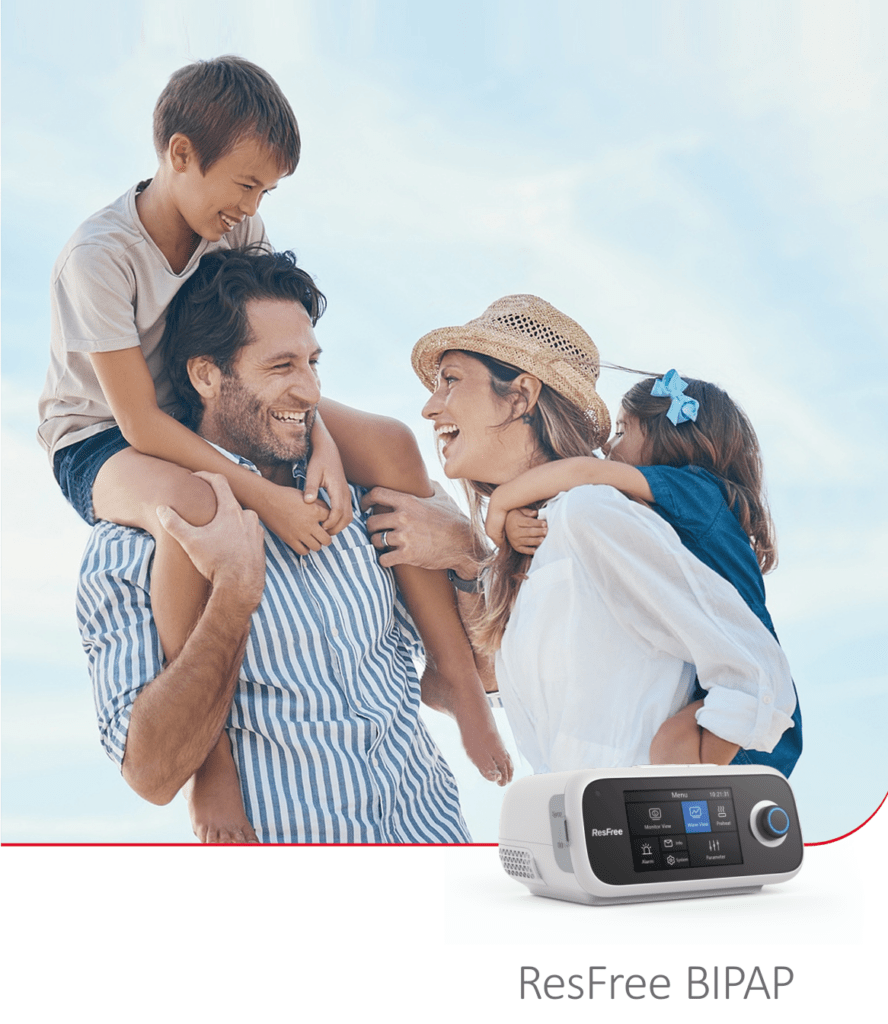
Not every patient needs continuous positive pressure. For those with nocturnal hypoventilation or neuromuscular weakness, a bipap breathing device or ventilator-grade support may be the correct route. Compared to simple CPAP, bipap gives separate inspiratory and expiratory pressure control — useful for advanced cases but heavier to manage. Smaller clinics should weigh the clinical benefit against extra training and servicing. In many setups, having both an auto PAP and a bipap option covers the broadest patient mix.
Common mistakes clinics make — and how to avoid them
Purchasing on price alone is the classic misstep. Overlooking mask fit variety, ignoring software interoperability, and underestimating consumable budgets create downstream problems. Training is often rushed — staff need hands-on time to master pressure adjustments and reviewing compliance reports. Run a staged rollout: pilot, review metrics and expand. That keeps things practical and avoids system shock — and it often reveals simple tweaks that save hours per week.
How Byond compares in practice
Byond’s auto PAP units focus on practical clinic needs: straightforward user interfaces, clear compliance reporting and robust humidification. For teams wanting low-maintenance kit with sensible software, they sit well alongside more complex bipap and ventilator solutions. Real-world anchor: during the COVID-19 pandemic the need for reliable home ventilation options became starkly clear, and many New Zealand services pivoted to devices that balance hospital-grade performance with home comfort.
Three golden rules for picking the right kit
1) Clinical match: choose devices that support the ventilation modes your patients actually need, and confirm mask interface options. 2) Operational fit: prioritise devices with automatic compliance reporting and manageable consumable schedules. 3) Staff readiness: budget for practical training and a pilot phase before full rollout — this saves time and patient dissatisfaction down the track. These rules keep procurement straightforward and outcomes measurable.
The final thought is simple — kit should solve problems for people on the floor, not create new ones — Byond. –