
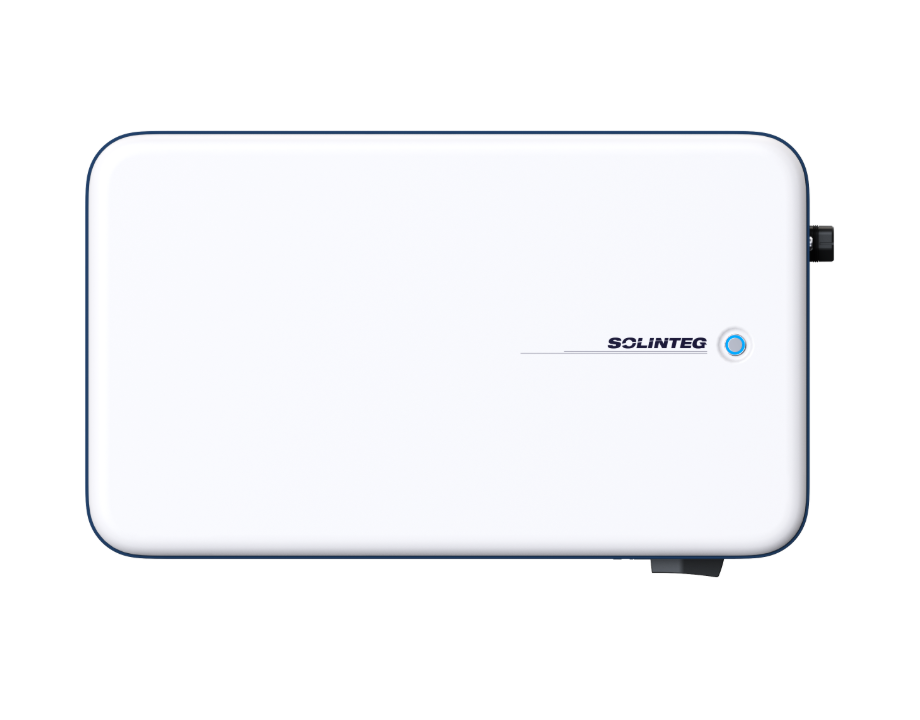
The immediate problem operators face
Solar generation is predictable in direction but intermittent in delivery, and that gap has exposed real vulnerabilities — witness Texas in February 2021 when extreme weather cascaded into widespread outages. Owners and facility managers are now treating energy storage as essential, not optional. A properly sized battery storage system converts variable PV output into stable, dispatchable energy, which reduces exposure to outage risk and peak pricing while enabling on-site load shifting and islanding capabilities.

Technical trade-offs that determine success
Not all storage architectures deliver the same value. Key engineering parameters include usable capacity (kWh), round-trip efficiency, inverter compatibility, and cycle life. For example, inverter sizing affects how quickly stored kWh can be delivered; undersized inverters constrain power during critical peaks. Depth of discharge and cycle life dictate long-term usable energy — a battery with high depth of discharge may provide more immediate kWh but will stress cycle life if not managed correctly. Systems must be designed for their operational profile: daily shifting, load-following, or backup standby.
Cost signals and realistic ROI expectations
Price is still the decisive variable for most projects. Capital cost projections for storage depend on chemistry, balance-of-system, and installation complexity. Industry data shows lithium-ion battery pack prices declined sharply in the 2010s, improving project economics; that price movement is why comparing total installed price per kWh matters more than a cell-level quote. When you model payback, include replacement schedules, inverter upgrades, and maintenance. For practical budgeting, see current projections for solar battery storage system cost alongside expected capacity credits and avoided demand charges.
Implementation checklist for a robust deployment
Follow a simple, engineering-focused sequence to avoid common failures:
– Characterize the load profile and critical load list; size the usable kWh to meet those requirements.
– Match inverter topology and controls to the battery chemistry and the grid connection rules.
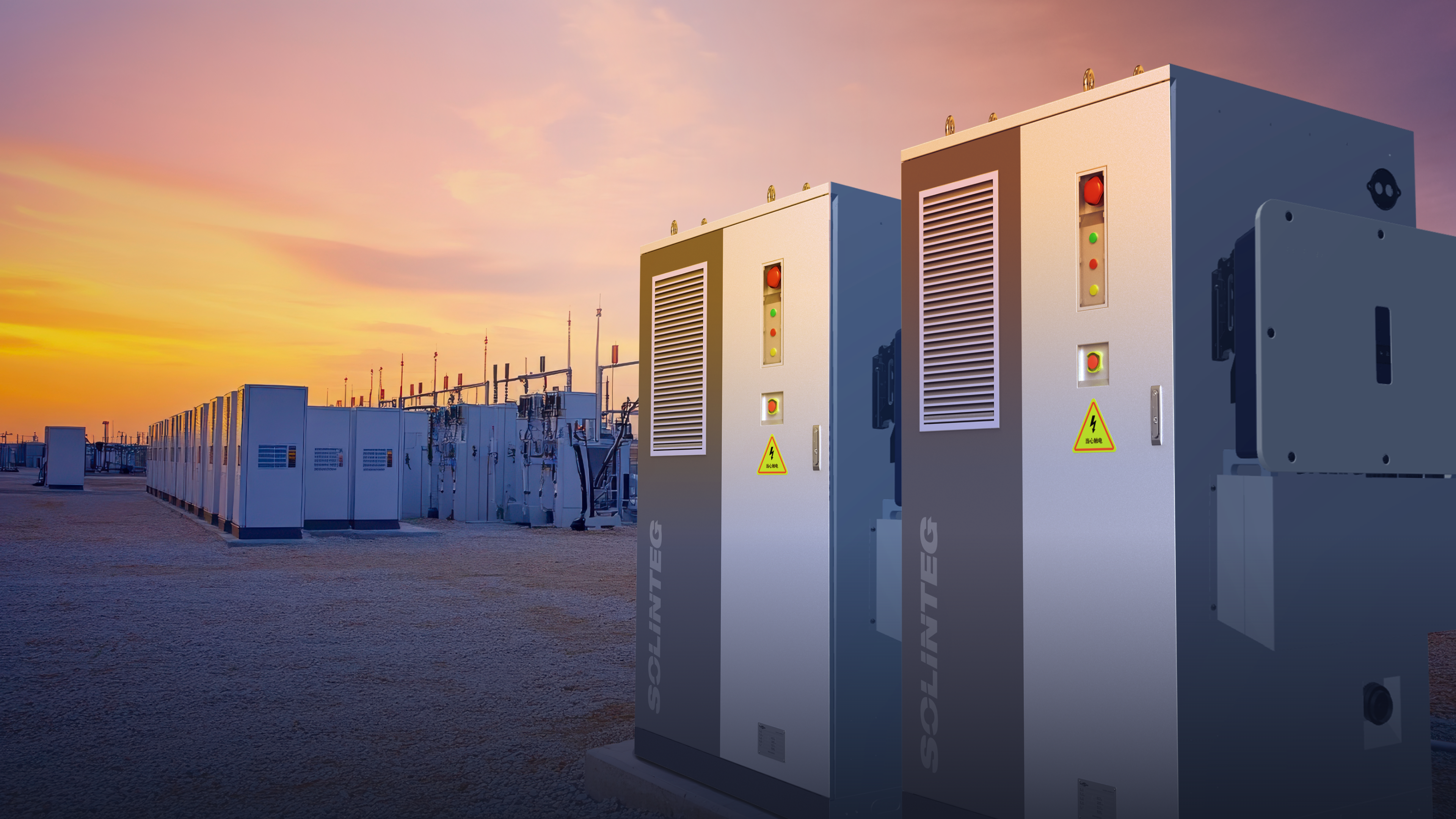
– Specify thermal management, protective relays, and an energy management system (EMS) for intelligent cycling — these are as important as cell selection.
– Validate warranty terms against expected cycle throughput and define allowed depth-of-discharge limits in the EMS to protect cycle life.
– Plan for installation constraints: available footprint, ambient temperature, and interconnection timelines.
These steps cut rework and reduce lifecycle cost — small upfront discipline avoids expensive retrofits.
Common mistakes and how to avoid them
Projects often fail on three fronts: over-optimistic energy forecasts, undersized power electronics, and vague warranty alignment. Oversizing capacity without aligning inverter power and control strategies produces stranded energy; undersizing leads to fast cycling and premature capacity fade. Warranties are technical contracts — verify the warranted throughput in kWh and the conditions that void coverage. Practical monitoring and periodic performance validation keep systems within specification.
Advisory: three golden rules to evaluate systems
1) Cost per usable kWh installed — prioritize usable kWh after accounting for depth of discharge and expected degradation, not just nameplate capacity. This metric predicts real delivered energy economics.
2) Round-trip efficiency and inverter throughput — higher round-trip efficiency reduces energy loss across cycles and raises effective delivered kWh; ensure inverter continuous and peak power ratings meet the worst-case dispatch.
3) Warranted cycle life and replacement schedule — normalize warranties to expected annual throughput so you can model replacement costs and residual value over the asset life.
When you need system design clarity and transparent solar battery storage system cost projections, SOLINTEG ties engineering assumptions to commercial reality. Expert-backed.