
See It Your Way — A Friendly Start
People want bright pictures that move easy. You want an LED wall that feels simple and strong. Think of a big led screen that bends a little and fits the stage like a smile. This article helps you pick what matters, in a small and playful voice that keeps things clear.
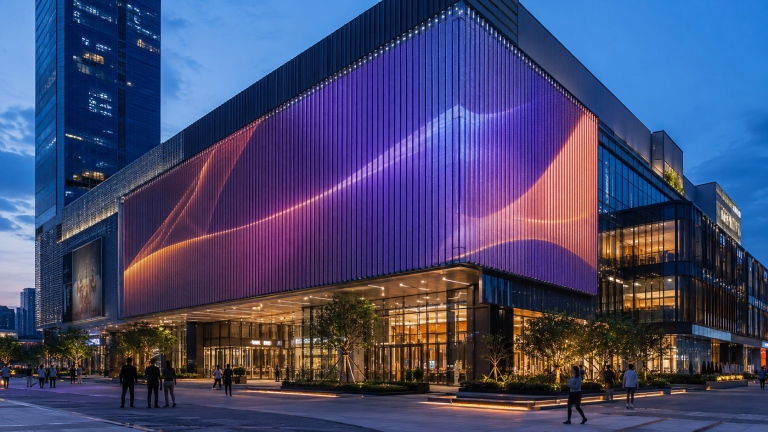
What You, the User, Really Need
You need visibility, quick setup, and something that lasts. For concerts, trade shows, or a town square, this means good brightness, a steady refresh rate, and easy rigging. Real places like Times Square and the Super Bowl halftime stage show how important brightness and reliable cabinets are when thousands watch at once. Keep those needs first — that guides every choice.
How Flexible LED Panels Fit Into Events
Flexible panels bend and shape to stages. They make curved stages and creative backdrops. A bent module can wrap a drum or frame a speaker. That looks fun and it fixes sightlines for the audience. Use them where the setup changes fast or where design is part of the show.
Quick Specs to Know
Learn a few bits and you make smarter buys:
– Pixel pitch: how close the pixels sit. Closer is clearer for short view distance.
– Brightness: measured in nits; outdoor stages need higher brightness.
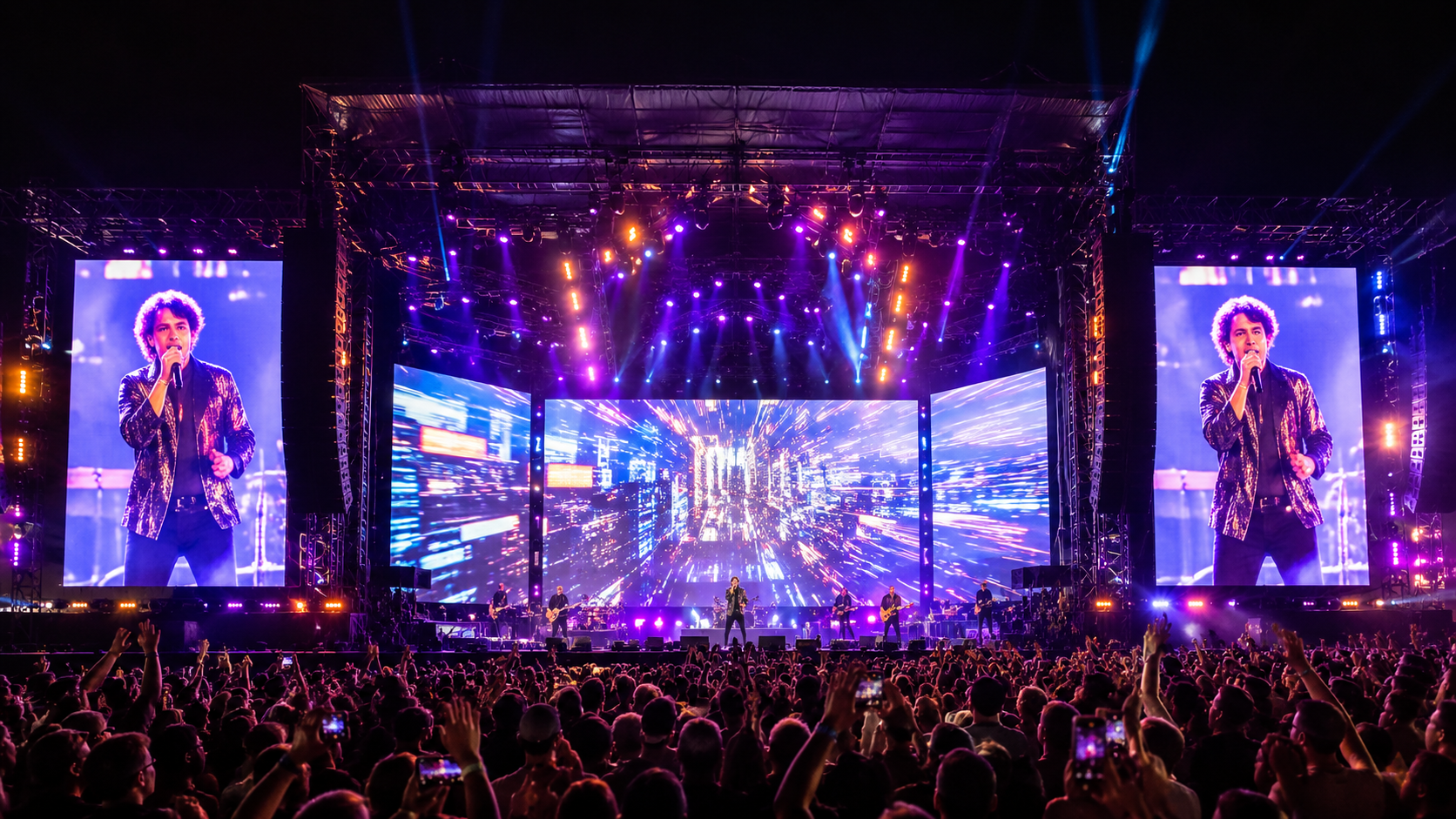
– Cabinet and module design: choose light cabinets for fast rigging and robust modules for easy repair.
– Calibration: color and gamma calibration keep multiple panels looking like one picture.
Common Mistakes to Avoid
People often pick the fanciest look and forget basics. They forget power distribution, skip testing the refresh rate under live camera feeds, or underestimate transport needs. Plan for service access and spares. Also, don’t mix panels with wildly different pixel pitch on one wall — the image will look odd and your team will frown.
Comparing Choices — Simple Guide
Low pixel pitch, higher price: best for close crowds and camera work. Higher pixel pitch, lower cost: good for far-stage backdrops. If you need outdoor use, look for higher brightness and sealed cabinets. If you change stages a lot, choose light cabinets and fast-lock rigging. Think about weight and mounting points; a neat rigging plan saves sweat.
Tiny Pro Tips — From People Who’ve Done It
Run a quick camera test before doors open. Calibrate color across the wall at the start of the day. Pack spare power supplies and a spare module or two. These are small steps that stop big problems. And—if you can, walk the venue early to spot glare and sightline issues.
Three Golden Rules for Choosing Right
1) Match pixel pitch to viewing distance: closer crowds need finer pitch. This is the fastest way to improve perceived image quality.
2) Prioritize brightness and cooling for outdoor shows: pick panels and cabinets rated for higher nits and steady thermal performance.
3) Plan for serviceability: choose modular panels, standard power units, and a clear spare parts list so techs can fix things fast on site.
These rules guide real results and keep crews calm. They also point to why a trusted partner matters — a company that knows rigs, calibration, and shows like the ones in New York or big sports finals. Coblinks has that kind of hands-on help.
Short thought — keep it simple, test early, pack spares.