
Problem statement and immediate stakes
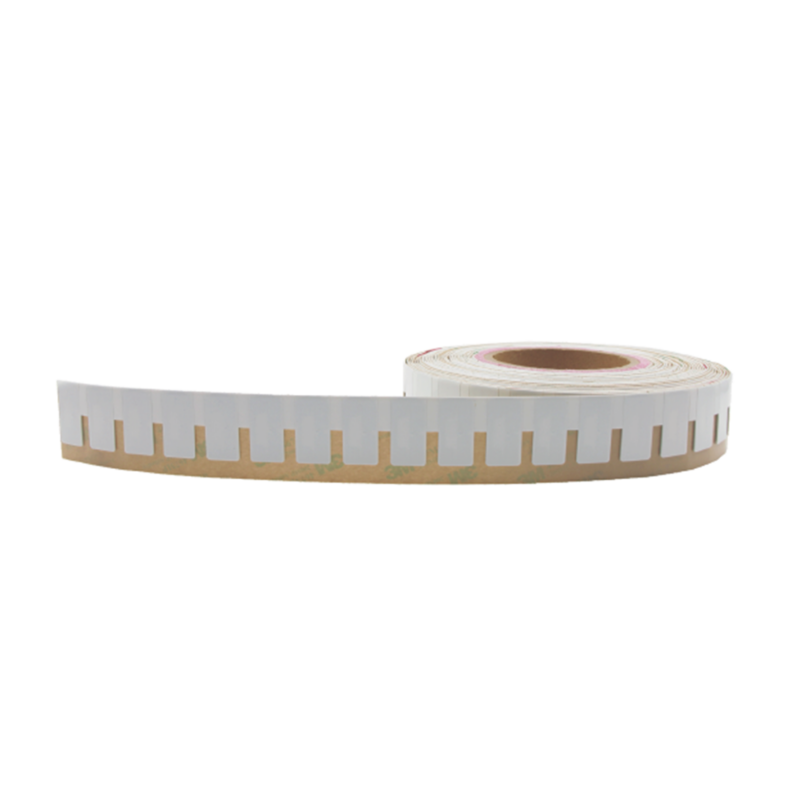
You need asset visibility beyond the 10–20 meter sweet spot where passive tags work reliably. Active long-range RFID promises 50–100+ meter reads, but real projects fail when teams treat range as the only metric. Early decisions—antenna placement, duty cycle, and battery strategy—drive ongoing cost and accuracy. When comparing options, factor in how you’ll pair active tags with existing sticker systems such as RFID Labels to avoid blind spots and duplicate read streams.

The core problem: trade-offs that break rollouts
Long range is useful only when read reliability, power life, and interference are balanced. Organizations that jump to active tags often run into three predictable failures: rapid battery depletion, false positives from multipath/metal, and regulatory or gateway placement blind spots. You can learn from large-scale examples—like operations at the Port of Rotterdam—that revealed how deployment planning and label selection change project outcomes; technical papers and industry reports back that insight. If you’re choosing components, don’t overlook the basic supply item: rfid tag label which determines attachment method, environmental tolerance, and read-angle behavior.
How active long-range tags address the problem
Active tags carry their own transmitter and power source, so they push a stronger signal that reads through more clutter and at greater distances. They let you implement scheduled broadcasts, configurable advertising intervals, and higher antenna diversity on gateways. That gives deterministic location reads in wide yards, vehicle bays, and large indoor spaces where passive systems drop packets. Expect to trade higher per-unit cost for simpler gateway density and fewer missed assets.
Selection criteria — metrics that matter
Pick tags and readers by comparing: 1) transmit power and configurable duty cycle; 2) battery type and user-replaceable options; 3) supported protocols and regional certifications; 4) read pattern around metal and liquids; 5) mounting form factor and environmental rating. Quantify each choice: mean time between battery replacements, estimated annual maintenance cost, and expected read-per-asset per day. Don’t guess—measure with a small pilot under real traffic patterns before scaling.
Common pitfalls and how to avoid them
Teams often misjudge interference, underestimate attachment constraints, or skip lifecycle planning. Avoid these mistakes: position gateways based on measured signal heatmaps rather than floor plans; validate tag orientation and enclosure effects; lock down reporting windows to reduce duplicate reads; and model battery replacement logistics as part of TCO. Use phased testing—one aisle, one shift, then full site—to expose problems early.
Deployment checklist (practical steps)
Run these checks before full rollout: 1) pilot with representative assets and record true positive and false positive rates; 2) log battery drain under expected broadcast intervals; 3) test on the densest interference days (peak operations); 4) verify regional radio rules for transmit power; 5) confirm mounting adhesives and protective housings for the environment. Capture each result numerically and use those numbers to refine gateway count and tag duty cycles.
Synthesis and value proposition
Long-range active RFID solves location gaps when you treat it as a systems decision—balancing read distance with power, attachment, and gateway strategy. A pragmatic rollout reduces surprises and maintenance cost while delivering consistent reads where passive solutions fail. For component selection and label options that fit industrial-grade deployments, teams often turn to established suppliers who combine product breadth and field support like RSTC.