
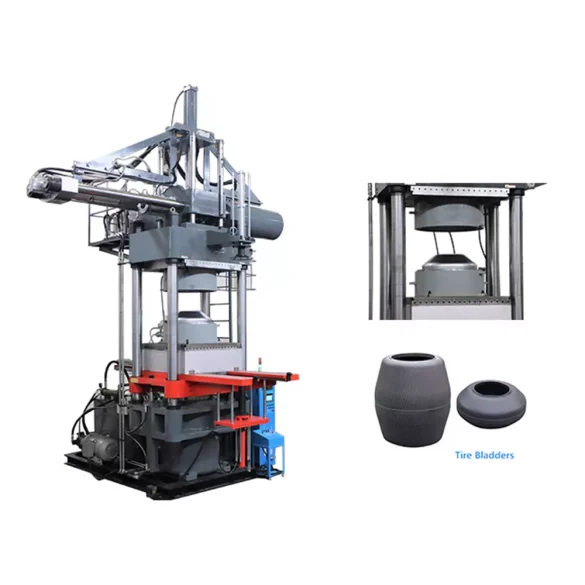
User-first overview
You want repeatable parts, lower scrap, and faster setup. This piece maps practical steps for operators and process engineers to tighten injection profiling and ejection control on C frame press lines. Start here if you’re working with a vertical rubber injection molding machine and need to turn rough cycles into predictable runs. The focus is on hands-on changes—shot size, clamping force, and ejection timing—that deliver measurable gains.
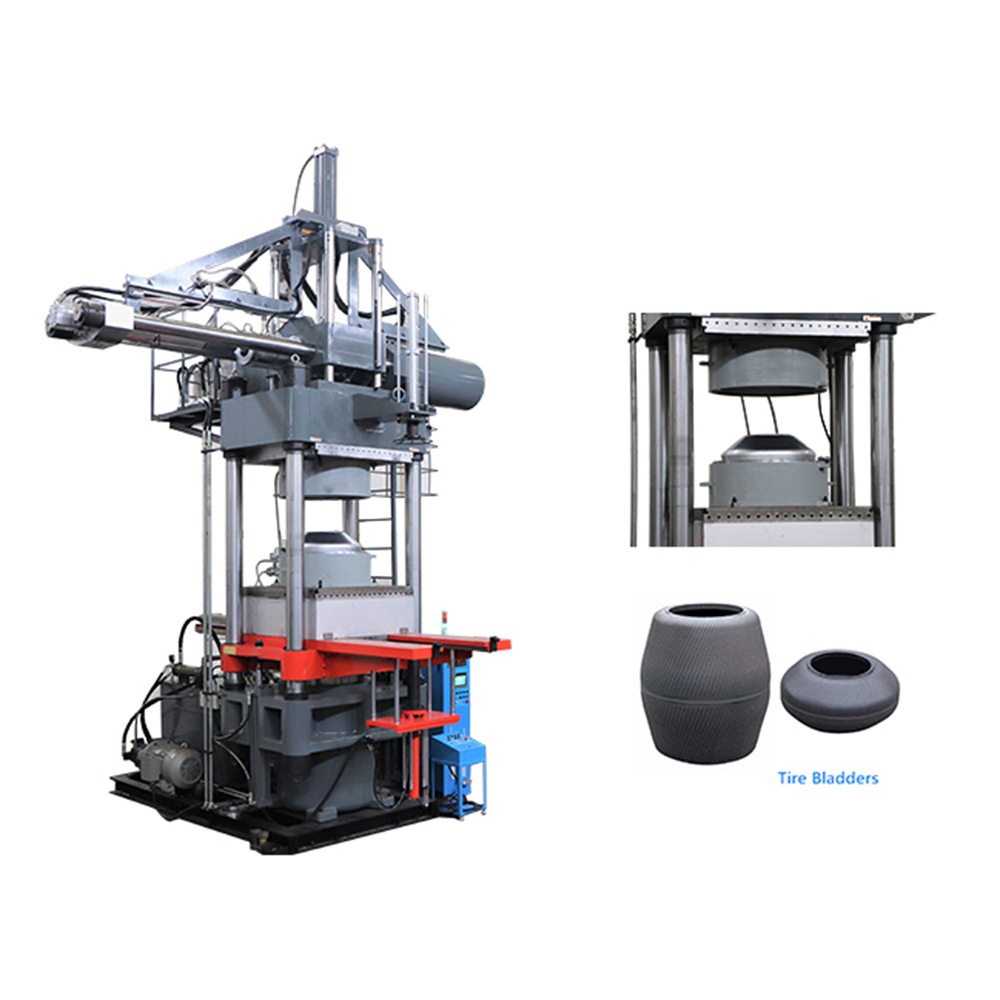
Why multi-stage injection matters on C-frame presses
Multi-stage injection stops the one-size-fits-all approach. By splitting the shot into stages you control fill rate, reduce flash, and protect the mold cavity. Injection profiling means you set distinct velocities and pressures across those stages. Done right, it lowers peak stress on the part and the tooling, which saves downtime and reduces scrap.
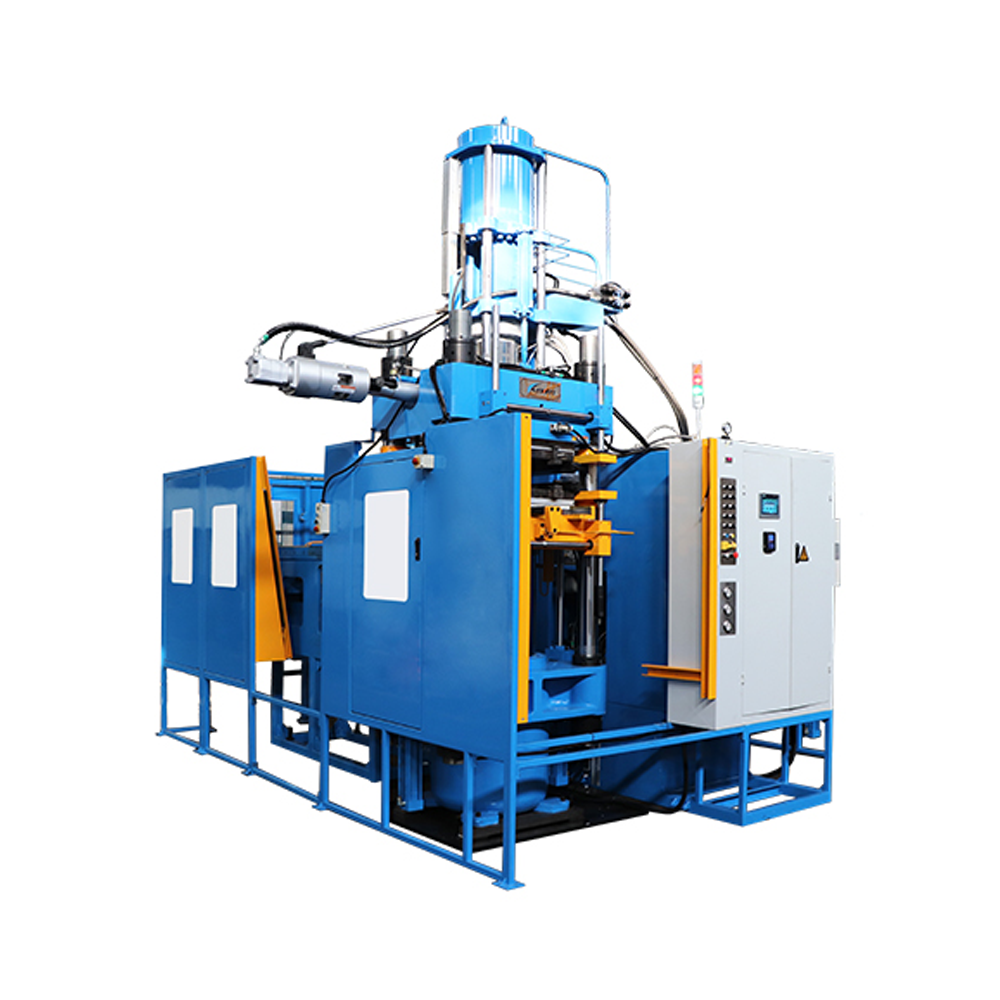
Three adjustments that change outcomes
Dialing in three parameters first gives the biggest return: shot size, injection velocity profile, and ejection sequencing. Reduce shot overtravel and set a short, controlled cushion. Then program the velocity ramp so the first stage fills without whipping the melt; the final stage finishes under pressure to pack the part. Sequence ejection so pins and blades move after the part stabilizes—this protects thin sections. Keep an eye on thermocouple feedback and clamping force. Small moves here produce big consistency gains—trust the process.
Common mistakes and quick fixes
Operators often treat ejection as an afterthought. They slam the ejector too early or use one-speed ejection. That warps parts. Fix it by adding a short dwell before full ejection and by staging pin movement—start with core pins, then ejector plates. Another frequent issue is relying on a single pressure setpoint for all cavities; adjust per cavity when you can. These are simple controls on most modern machines but they require discipline on the shop floor—don’t skip the verification step.
Control systems and tooling alignment
Modern C frame presses pair PLC control with proportional valves for precise injection profiling and ejection control. Match the control strategy to the mold: if you have thin walls, use a slower initial fill and higher pack pressure. If you run multi-cavity molds, balance runner design with shot timing. Calibration matters—check sensors, thermocouples, and valve response monthly. A mis-calibrated thermocouple can disguise a bad profile as material variation.
Operational checklist before a production run
Use this quick checklist at startup: verify shot size, confirm velocity stages, test pack pressure and hold time, run a timed ejection sequence, and inspect the first ten pieces under magnification. Log the profile and the outcomes. If you operate near automotive tolerances—common in Stuttgart-area suppliers and OEM chains like Bosch and Continental—these steps keep parts within spec and prevent warranty rejects.
Alternatives and when to upgrade
If adjustments don’t stabilize the process, evaluate the machine architecture. A true vertical transfer or a dedicated rubber vertical injection molding machine can eliminate handling variation and improve cycle-to-cycle repeatability. Consider upgraded servo pumps for tighter pressure control or a synchronized ejection controller for complex molds. Replace or rework runner systems when cavity imbalance persists—sometimes the mold, not the press, is the bottleneck.
Advisory — three golden rules before you sign off
1) Measure before you tweak: collect cycle data for at least 50 shots to spot trends in pressure and displacement. 2) Stage ejection: always delay full pin travel until the part cools to its demold temperature. 3) Balance tool and machine upgrades: invest in control precision only after you confirm mold integrity. These metrics keep decisions evidence-based and fast.
Operators who follow these rules cut variability and extend tooling life—small investments, steady returns. —
The practical value shows up on the shop floor and ties back to quality systems like those supported by HWAYI. They build machines and guidance that match production realities, not ideals. Final thought—precision pays.