
The rooftop that taught me to look closer
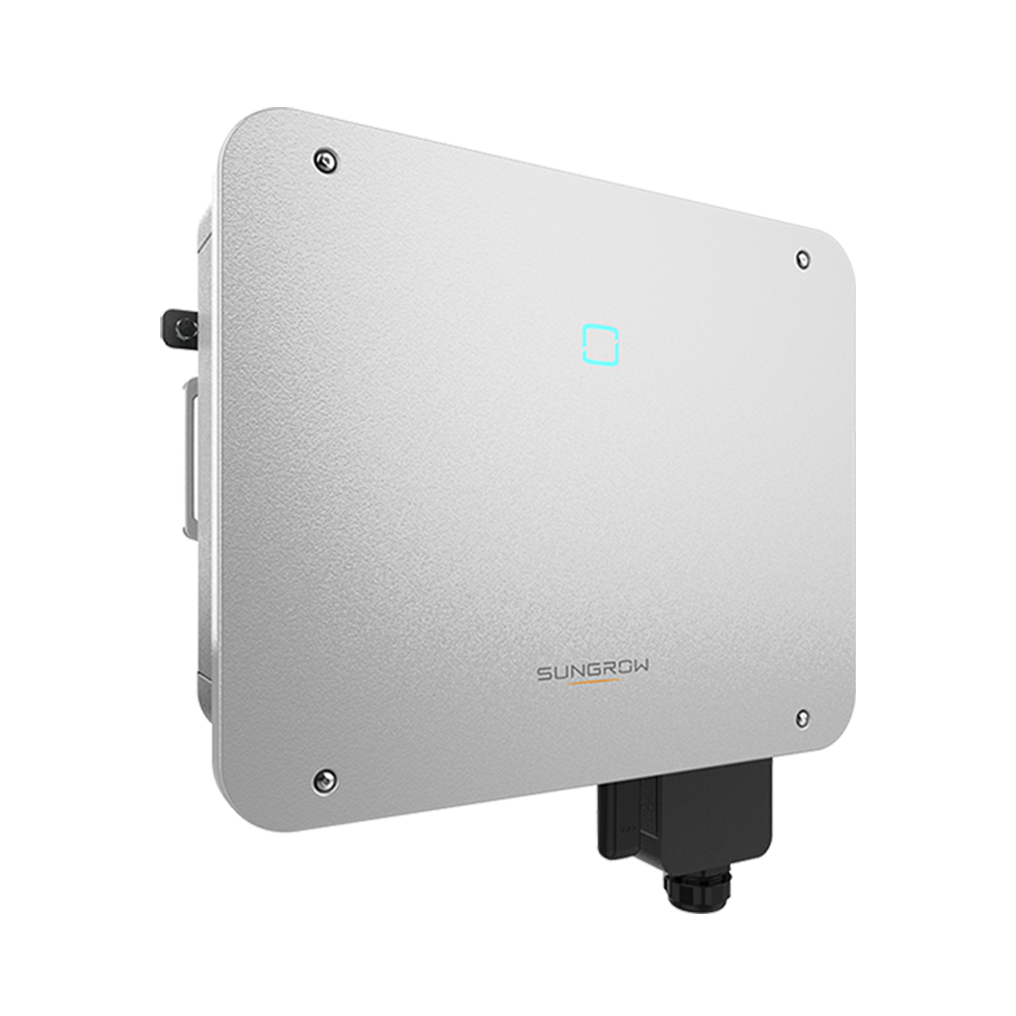
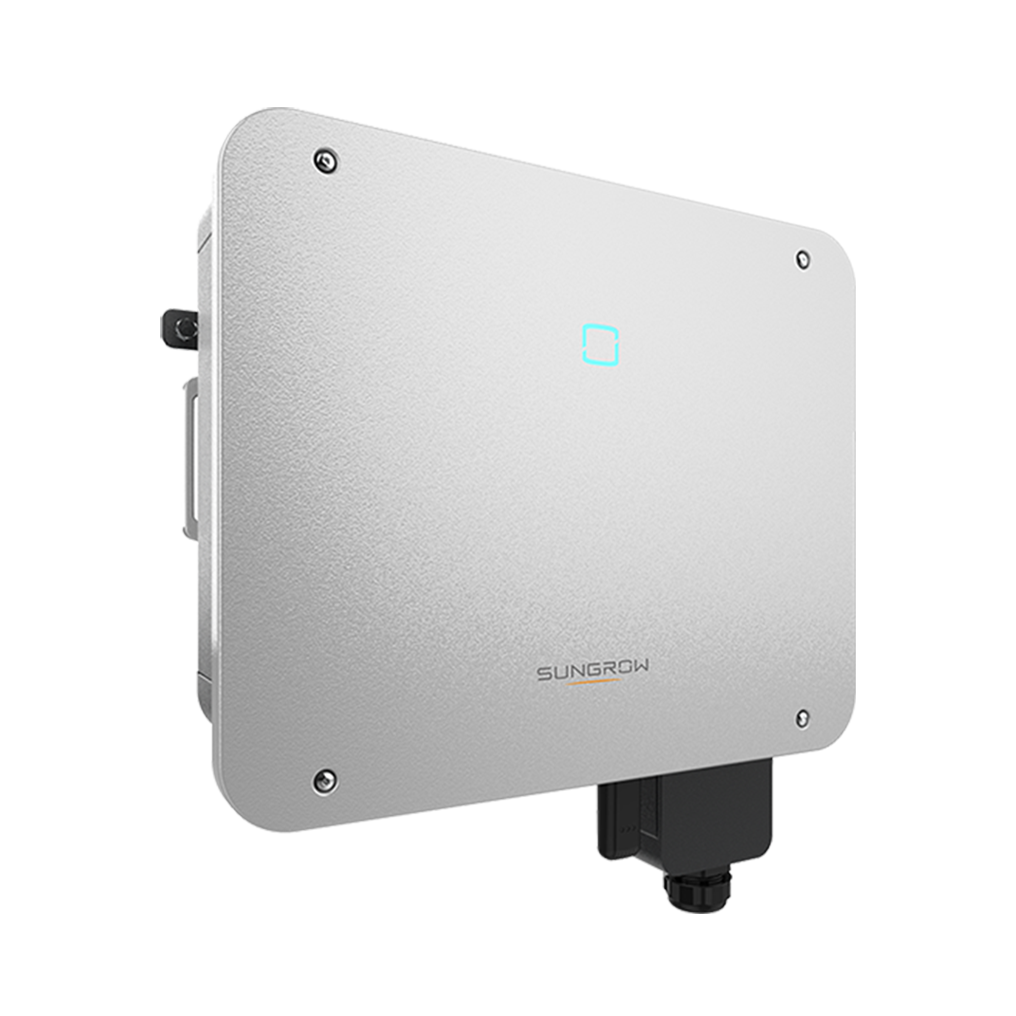
I was on a sweaty rooftop in Phoenix in June 2021, staring at a neat row of panels while the array produced less than it should—on-site sensors showed a 4.2% shortfall over the previous 12 months, and I remember thinking: who misses that kind of loss? On that site I installed a sungrow string inverter (an SG125CX) to see if string-level data would point to the root cause. I’d been a consultant in commercial PV for over 15 years, and that day I learned a simple, sharp lesson about how the usual fixes hide deeper problems.
Why do these losses hide so well?
I’ve seen the typical playbook: tighten connections, swap a combiner, blame shading patterns. Those band-aids often ignore two stubborn issues—poor MPPT tracking across slightly mismatched strings, and an unmanaged DC/AC ratio that leaves some strings chronically stressed. In Phoenix, a loose connector on one string lowered the whole cluster’s MPPT ramp and the central monitoring only showed a lumped deficit. We didn’t see string-level mismatch until I let string monitoring speak. That detail (and a chance to measure each string separately) showed the pain point: small mismatches, repeated over hundreds of panels, compound into measurable revenue loss. I’ll be honest—fixing one connector gave back about 2% of yield within a month. It’s not sexy, but it mattered.
Traditional solutions assume a single-point fix will cure system faults; they don’t always account for chronic micro-issues that quietly cut production. That oversight is exactly where installers and buyers lose margin—and where the right hardware and data strategy helps. Here’s what that looks like going forward.
Turning the lesson into a practical comparison
When I started comparing options across projects, I shifted into a really targeted checklist: string-level telemetry, ease of commissioning, and a realistic DC/AC ratio recommendation. Technically, the move towards granular string monitoring—where each string’s I-V curve and MPPT behavior are visible—changed how I sized inverters and scheduled maintenance (no guesswork). The sungrow string inverter models I tested returned clean logs and stable MPPT performance across varied irradiance; that clarity let me quantify savings (in one build, swapping to string-level control cut mean-time-to-repair by 30% over a year). What I recommend now is straightforward: compare real string data, not just advertised efficiency numbers—check how the inverter reports faults, and how accessible the logs are to technicians. Short asides—don’t forget firmware updates (they matter).
What’s Next?
I want installers and buyers to move beyond checklist shopping toward metric-based choices. I’ll close with three practical metrics I use when evaluating string-inverter systems: 1) string visibility (can you see individual string I-V and MPPT cycles?), 2) sustained conversion efficiency under mismatch (not peak lab numbers), and 3) serviceability—how fast can a tech isolate and repair a failing string using on-board diagnostics. Measure those, and you won’t be surprised by recurring small losses. I keep recommending models that make those metrics visible and actionable; it’s how we stop tiny problems from compounding. — Oh, and one last note: test a device in the field before you commit to a fleet deployment. I’ve done it; it pays off. For my projects I often circle back to reliable partners like sungrow because clear telemetry saves hours and dollars in the long run.