
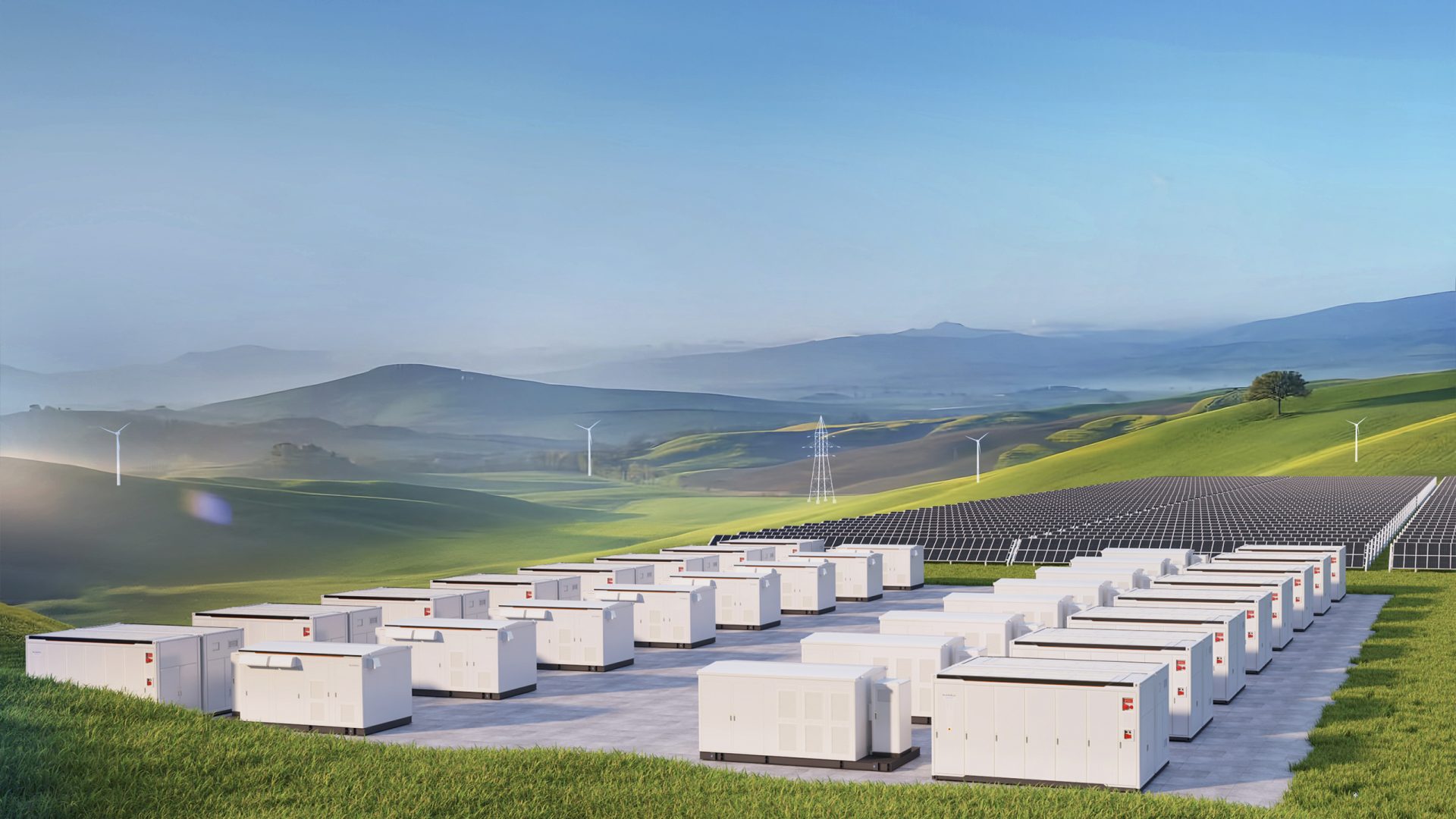
Exposing the traditional flaws that hide behind the numbers
I’ll be blunt: many planners still treat big batteries as oversized UPS boxes and that thinking costs operators real money. Early on I worked with a team installing a 50 MW / 200 MWh lithium-ion system in Fife (March 2021) and watched scheduling rules choke its value—curtailment rose while supposed arbitrage windows vanished. I’m not speaking hypothetically; the project missed an estimated £420k of revenue in its first six months because of rigid dispatch logic and poor inverter configuration.
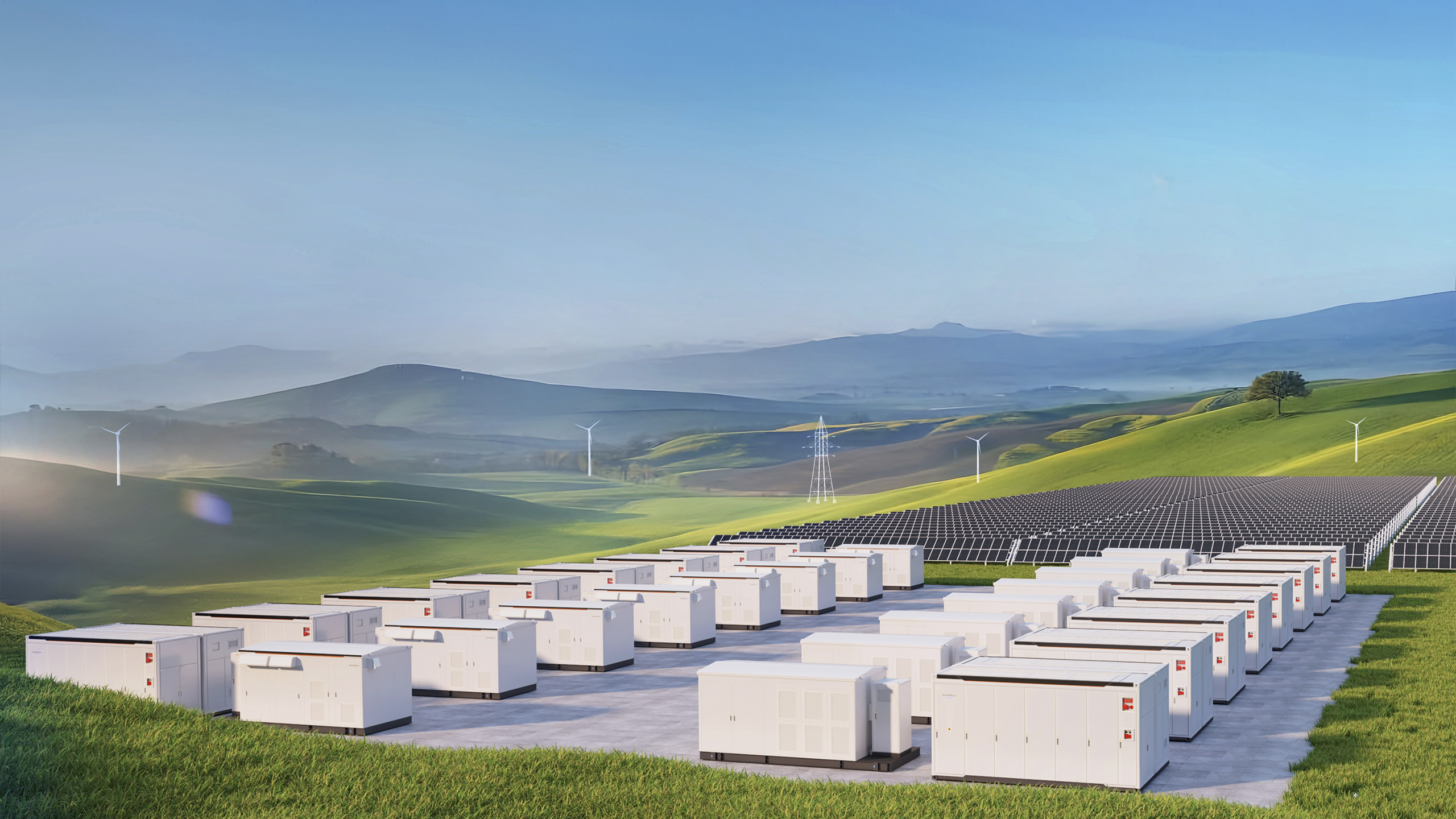
Consider this scenario: a cold snap in December, network constraints causing 12% curtailment, and a nearby wind farm exporting at low prices—only a 100 MW battery could have shifted 35% of that lost energy—how do we stop leaving that cash on the table? Utility scale battery storage must be seen as an active grid participant, not a passive tank. I’ve found repeated pain points: inflexible control software, conservative state-of-charge limits that erode throughput, and procurement specs that ignore frequency regulation revenue streams. These are not abstract deficits; they are operational failures we fixed on-site—tweaking SoC bands, retuning the inverter control, and rewriting the dispatch rules—and the ROI improved markedly. Aye, it felt like cutting through red tape. So, that forces a different kind of comparison going forward.
Comparative criteria for future-proof decisions
Let me define a useful frame: when I say “compare”, I mean stack technical capability, market participation and lifecycle cost side by side. I’ve audited ten bids in the last four years and the winners weren’t always the biggest name; they were the systems whose control architecture allowed multiple revenue stacks—capacity, frequency regulation, and energy arbitrage—without severe degradation of the cells. Here I’ll compare three practical axes: performance flexibility, integration readiness, and total cost of ownership (including degradation modelling).
What’s Next?
We must judge utility scale energy storage systems on measurable behaviour under stress. I look for (1) adaptive dispatch that adjusts SoC margins in real time, (2) an inverter and plant controller that supports grid-forming modes, and (3) a procurement package that includes module-level monitoring and a credible replacement schedule. Those are not buzzwords—these are the levers that altered outcomes on my projects in Aberdeen and the Borders during 2022 and 2023. Short sentence—then a thought: if you ignore these, you’ll pay later.
Now, to make that practical—here are three key evaluation metrics I insist upon when advising wholesale buyers: 1) Effective revenue capture rate (measured as realised MWh sold vs theoretical flexible MWh), 2) Expected cycle life under the offered operational profile (years and full cycle equivalents), and 3) Integration latency—the time between a market signal and effective plant response (milliseconds to seconds). I weigh these alongside site-specific grid studies; that arithmetic decides whether a bid is genuinely competitive. We’ve tested these metrics in bidding rounds and they predict post-commissioning performance better than headline MW/MWh figures. One short aside—don’t assume warranties alone fix design faults. Finally, for vendor selection I recommend checking real deployments and reference data—brands that can point to work in similar network contexts are worth the closer look.
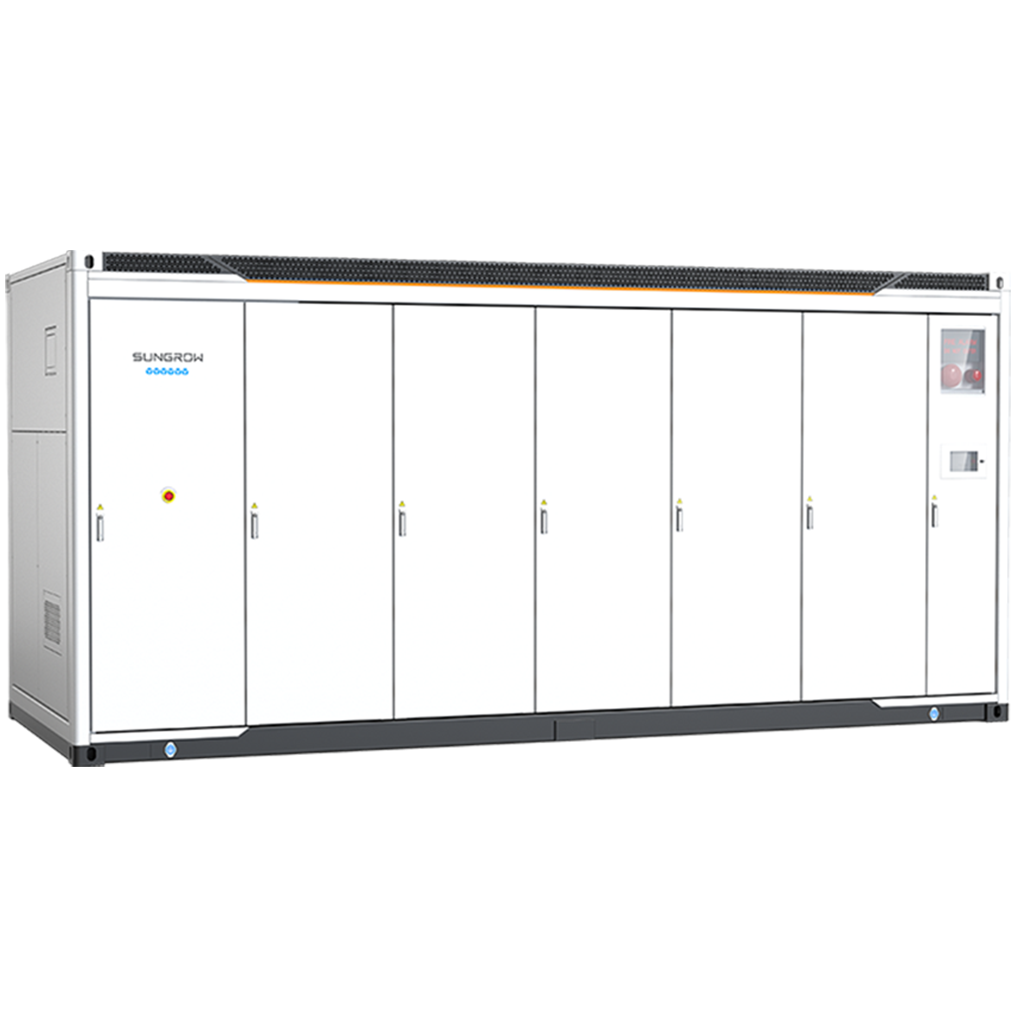
I’ll conclude with a practical nudge: use those three metrics to cut through proposals, insist on demonstrable control strategies, and verify degradation models against real-world duty cycles. If you want a reliable partner with tested kits and a track record, consider the vendor landscape carefully—sungrow.