
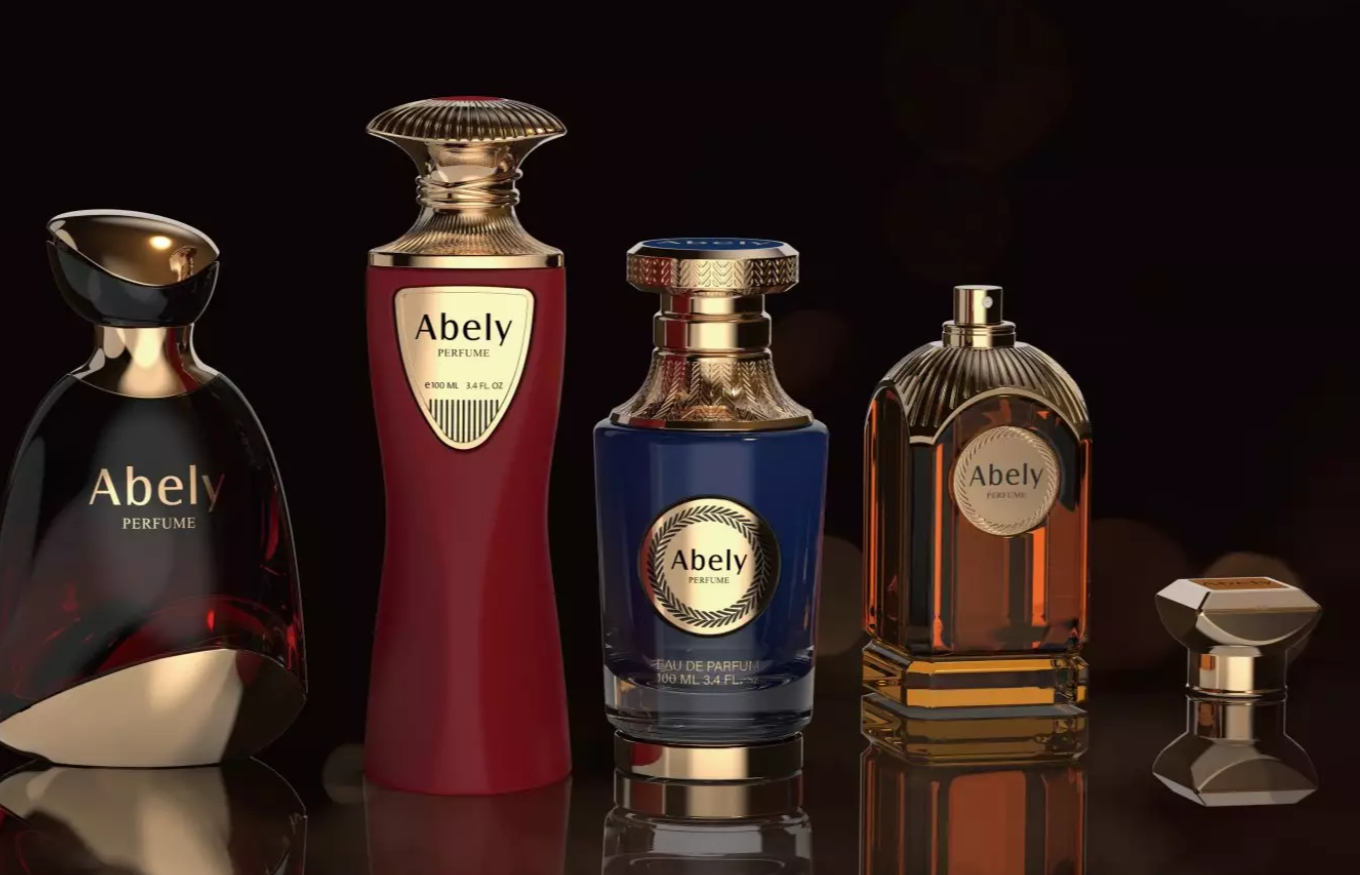
Opening the capsule of what’s next
In a near-future where objects read like personal signatures, the cap of a perfume bottle becomes a discreet avatar — a tactile logo. Abely’s design team imagines that avatar as part sculpture, part interface, and part heirloom. The brief now includes fit-for-hand ergonomics, micro-mechanics, and digital-ready surfaces; it also asks how a custom perfume bottle can carry identity across physical and virtual wardrobes. This piece follows a speculative, futuristic logic: project current materials and techniques forward, spot emergent pitfalls, and prescribe durable strategies designers can use today.
A future-driven brief for cap design
Think beyond ornament. In the coming decade, caps must balance three futures at once: sustainable fabrication, modular customization, and subtle embedded functionality (RFID tags, scent-release valves, light diffusers). Designers will be judged by how gracefully a cap harmonizes with a bottle’s silhouette while allowing easy personalization. Real-world anchor: traditional ateliers in Grasse, France — the long-standing heart of perfumery — still influence tactile expectations; their craftsmanship sets the baseline for what luxury consumers recognize as ‘authentic’. Use that baseline as a constraint, not a limitation.
Materials, mechanisms, and micro-interaction
Materials will tell the story. Titanium and anodized aluminum speak precision. Recycled glass and bio-resins speak conscience. 3D-printed lattices offer customization at scale. The mechanical vocabulary matters too: magnetic closures; torque-limited screws; soft-touch overmolds that mask technical joints. From a front-end mindset, think of the cap like a UI component — it must respond predictably to touch, provide accessible affordances, and degrade gracefully. Sensors can record usage, but only if their presence doesn’t betray the object’s soul.
Personalization as narrative — engraving meets code
Engraving will evolve from static initials to programmable surfaces: micro-grooves that catch light in patterns, laser-etched QR motifs that unlock fragrance stories, and tactile signatures that age with the owner. Workshops that traditionally engraved names in Grasse now explore laser and CNC hybrid processes to keep craft viable at small batch runs. For bespoke collectors, an engraved perfume bottle becomes a bridge between memory and maker. Designers should map which personalization channels scale — and which remain purely artisanal.
Common mistakes and practical alternatives
Too often teams mistake novelty for fit. Overly complex mechanisms break; excessive branding dates fast. Common errors include ignoring user rituals (how people actually open and store scents) and prioritizing spectacle over ergonomics. Alternatives: favor modular inserts (change the skin, keep the mechanism), prioritize sealed compartments for volatile components, and prototype with inexpensive CNC or SLA prints before committing to metal runs. Small iterative tests reveal friction points early — and save expensive tooling mistakes later.
Design checklist: balancing craft, tech, and longevity
Use this compact checklist to evaluate cap concepts:
– Tactile clarity: Does the cap read easily by touch? – Repairability: Can components be serviced or replaced? – Emotional durability: Will the design age well with use?
Three golden rules for selecting your approach
1) Prioritize sensory ergonomics: measurable metrics like opening torque, edge radii, and weight distribution determine delight. 2) Plan for scale with modularity: separate aesthetic skins from mechanical cores to allow personalization without retooling. 3) Anchor to craft credibility: collaborate with established ateliers or validated production partners (think Grasse-level expertise) to maintain legitimacy.
Design is a prediction. You’re betting that a small object will carry meaning across years and platforms — and the safest bets start with restraint, clarity, and a respect for how people actually use things. —
Abely’s approach reconciles those tensions with thoughtful engineering and atelier sensibility; the brand’s lab bridges prototype and production so that a cap becomes both signature and system. Abely.
Craft confidently with intention.