
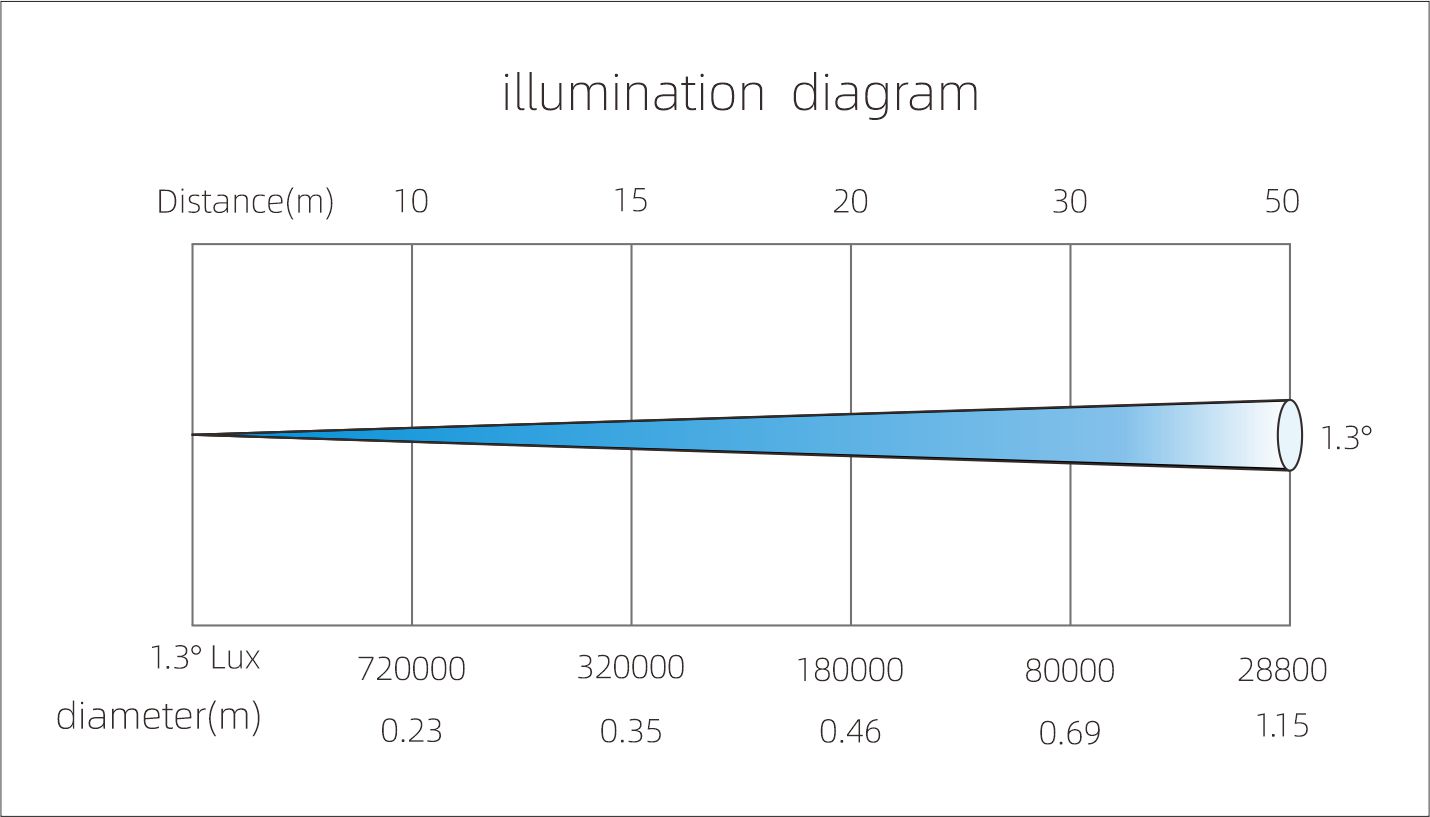
Choosing between wattage-hungry fixtures and nimble, weather-ready heads comes down to a few hard facts: power budget, transport weight, and reliability under rain or dust. For touring productions that need the best value per kilogram, a reliable waterproof moving head light can shift the balance. Expect lower power draw, consistent lumen output, and DMX-friendly control that keep crews moving on tight schedules.
Comparative angle: power efficiency versus output
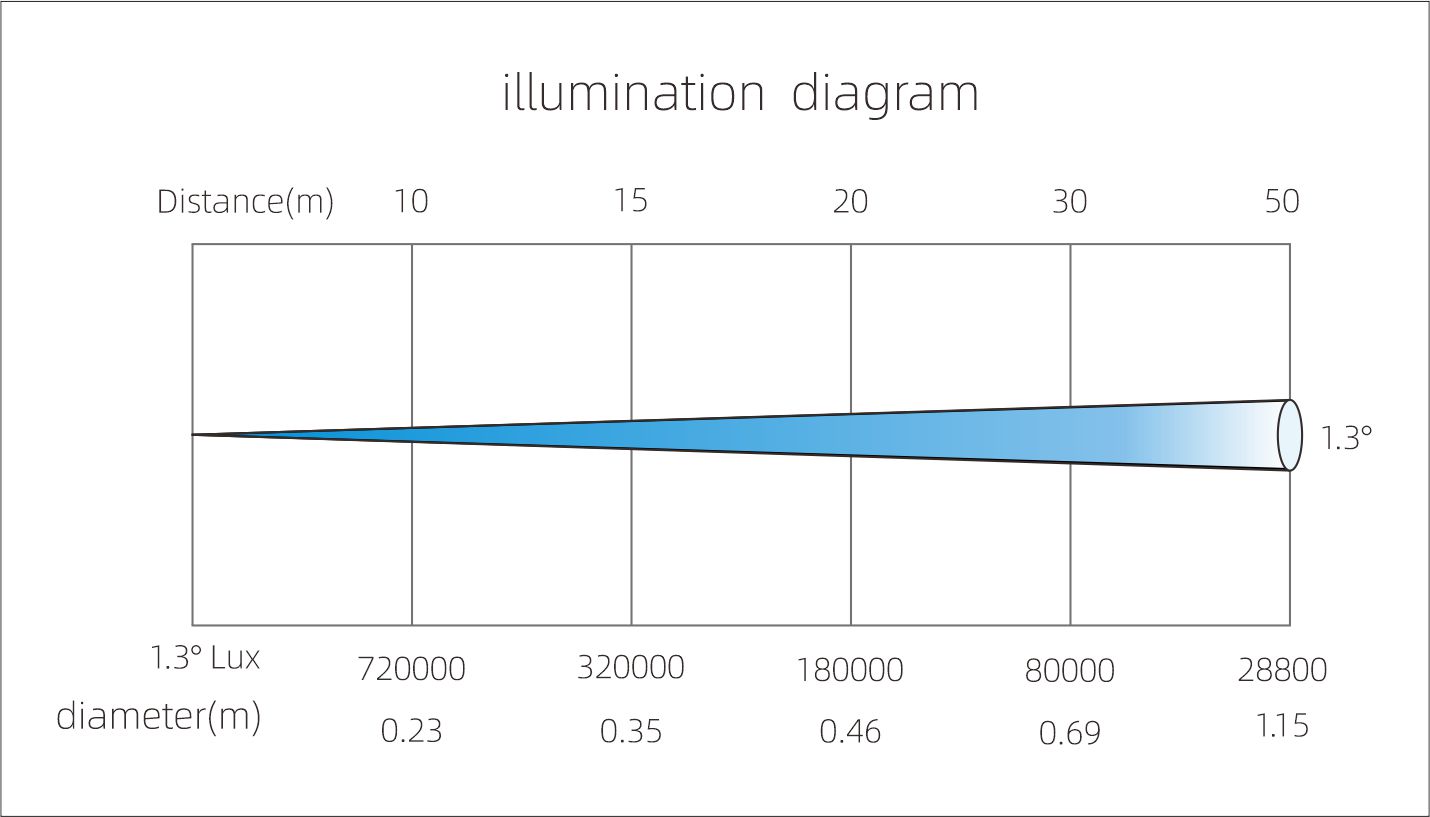
Efficiency isn’t only about watts. Look at lumens-per-watt and how the LED engine translates electrical input into usable light on stage. A compact wash with a good LED array can match older 575W fixtures while pulling far less current. That reduces generator load and lowers distro complexity. Pay attention to fixture cooling, lumen depreciation rates, and the presence of a stable DMX interface — these shape real-world performance more than glossy spec sheets.
Durability and optics: what touring rigs actually need
Tours demand robust optics and serviceability. A moving head that offers a smooth zoom range, flexible beam angle and accessible gobo/iris mechanisms wins over a heavier, sealed fixture that’s a pain to service. When weather is a variable — mud at Glastonbury or sudden Mediterranean storms on a European run — IP-rated fixtures reduce risk and downtime. For those moments, consider models that mix an IP65 exterior with modular optics so a tech can replace a lens or swap a lamp pack quickly. Also examine thermal management; long runs under hot stage lights expose LED drivers to stress.
Real-world anchor: festival and arena lessons
Lighting teams who work festivals like Glastonbury have learned the hard way that versatility and weatherproofing matter. A single rainstorm can force fast rehangs, rapid focus changes, and on-the-spot repairs — and that’s when a waterproof fixture pays for itself. Touring rigs that used durable moving head stage lights required fewer spare units and fewer late-night fixes. The value is tangible: fewer truckloads of spares, fewer stage delays — and crews that can stick to load-out windows. — Small comforts like easy rigging points cut hours off setup time.
Common mistakes and realistic alternatives
Many buyers make the same missteps. Avoid them by learning what truly matters:
– Overbuying peak lumens without checking beam control. A high-lumen fixture with a broad beam wastes light on distant rigs.
– Ignoring IP rating for outdoor legs. Weatherproofing lowers long-term maintenance costs.
– Choosing fixtures with proprietary control protocols that complicate integration.
Alternatives worth considering include hybrid wash/spot heads for tighter beams, LED pars for static washes on secondary positions, or compact spots when aerial texture is a priority. Each choice shifts transport, power, and labor requirements.
Three golden rules for evaluation
Pick fixtures against these three metrics and you’re close to a pro-grade selection:
1) Efficiency vs. usable output — Compare lumens-per-watt and lumen maintenance over time rather than peak lumen claims. Factor in beam angle and zoom range to see where the light actually lands.
2) Reliability and ingress protection — Confirm IP class and service access. Modular designs simplify repairs and lower spare-unit counts on tour.
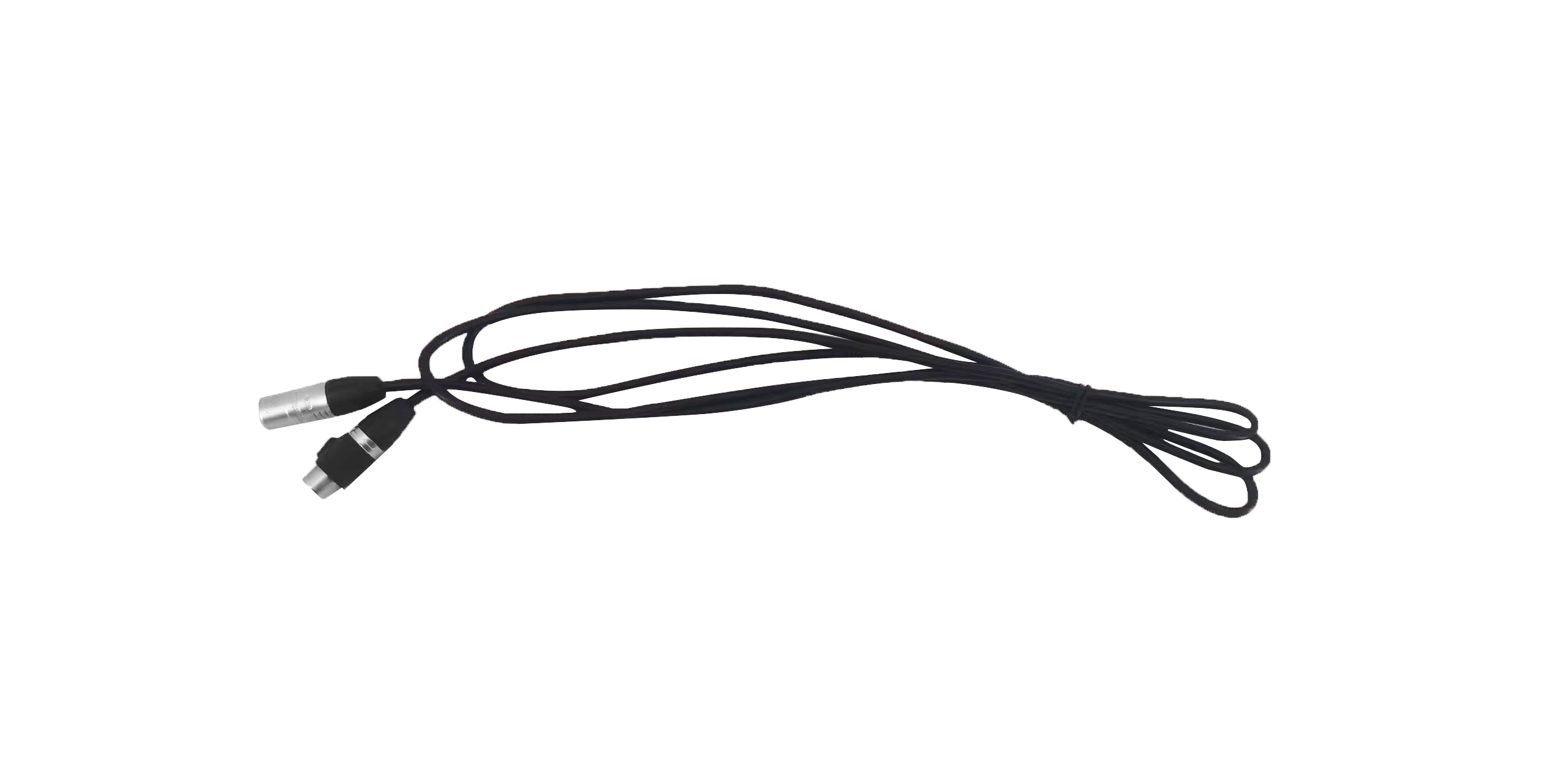
3) Control and optics flexibility — Ensure the head supports standard DMX/RDM and offers adjustable beam angle, CRI stability, and smooth zoom for mixed staging needs.
Wrap and recommendation
For touring productions that demand a balance of power economy, ruggedness, and theatrical flexibility, prioritizing those three metrics steers you away from expensive surprises. Light rigs that combine efficient LED engines, sensible beam control, and field-serviceable parts shorten load-ins and reduce spare inventory. If you want a practical example of that approach, compare the compact, weatherproof options to see how they change logistics and budgets — then choose fixtures that save time on the road and provide consistent color and output night after night. Light Sky. Final thought: practical gear pays back fast — choose deliberately.