
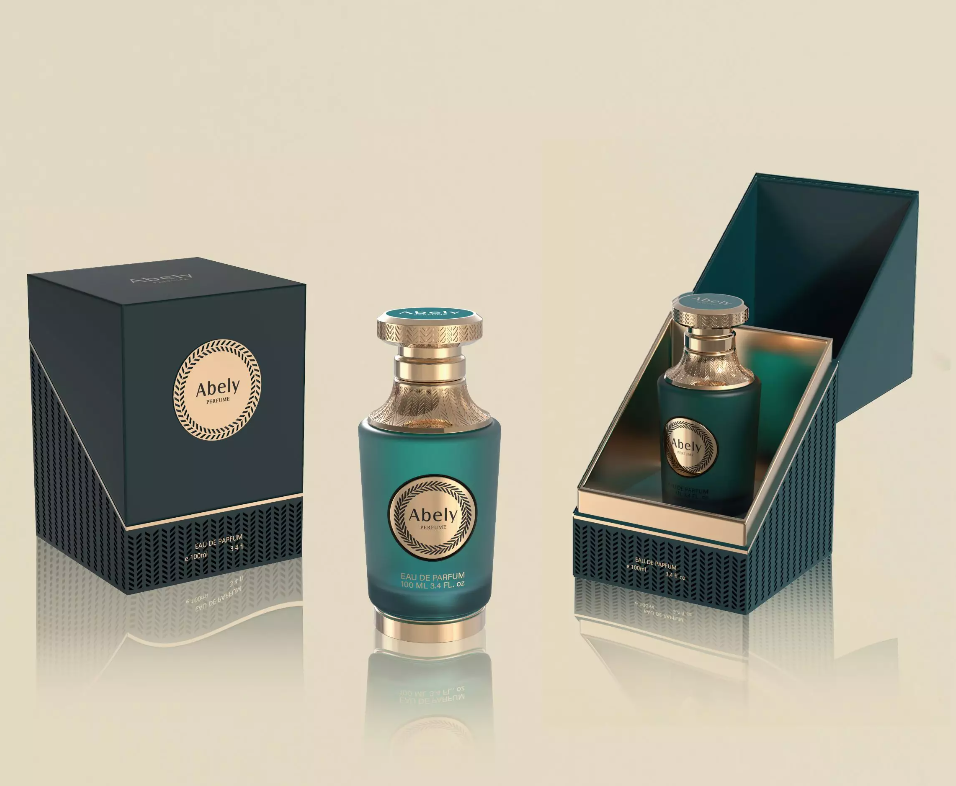
Comparative lead: why finish selection changes perception
Choosing between matte, glossy, metallic, or textured finish is not aesthetic whim — it’s a performance decision that changes perceived value, shelf impact, and durability. In this comparative inspection I examine surface systems, process constraints, and measurable outcomes for manufacturers considering color coating at scale. The logic: finishes translate directly into tactile feedback, light scattering, and brand recognition, so the choice should be validated against quantifiable criteria rather than trends.
Key properties to compare
Evaluate each finish against a concise technical checklist: film thickness (microns), gloss (60° spec), ΔE color tolerance, adhesion (cross-hatch / ASTM D3359), abrasion resistance (Taber cycles), and chemical resistance (IPA, perfume oils). Powder-coating and PVD deliver higher abrasion and chemical resistance; solvent- and water-borne liquid coatings offer finer color control and lower surface roughness. Consider measurement methods early: spectrophotometer for ΔE, glossmeter for sheen, and contact-angle goniometry for hydrophobic treatments when residue or fingerprint resistance matters.
Process comparison: methods and trade-offs
Line-rate and tooling determine feasible coatings. Electrostatic powder-coating suits metal collars and atomizers — high throughput, low VOC, but higher initial fixtures. Vacuum PVD gives metallic depth with ultra-thin layers and excellent adhesion to glass when paired with primer, but requires batch vacuum cycles and tight fixturing. Spray booth liquid coatings (solvent or water-borne) are flexible for small runs and complex geometries; UV-cure systems compress cycle time and reduce solvent handling. Each method imposes constraints on masking, curing, and inspection — plan fixtures and fixturing geometry early to avoid rework.
Material interactions and compatibility
Glass, metal, and polymer substrates behave differently under identical coatings. Glass needs surface activation (plasma or primer) to improve adhesion; polypropylene requires higher surface energy treatment (flame or corona). Metallic finishes may use a chromated or phosphate conversion layer beneath powder-coating to prevent corrosion. When designing a truly distinctive pretty bottle perfume, validate the entire stack: substrate pre-treatment → coating → overcoat → sealing. Real-world anchor: Apple’s anodized finishes illustrate how substrate anodization plus dyeing can create durable color with controlled wear characteristics — an instructive parallel for premium scent packaging.
Common mistakes and failure modes
Typical errors include under-specifying film thickness (leading to low abrasion resistance), ignoring ΔE tolerances across batches, and skipping cross-batch adhesion tests. Another frequent misstep is conflating aesthetic match with functional match — a metallic look achieved by foil lamination will not survive the same handling as vacuum-metalized PVD. Test early under accelerated conditions: heat, humidity, perfume exposure, and mechanical abrasion. — Don’t assume visual similarity equals performance equivalence.
Comparative alternatives and cost considerations
For premium positioning, PVD and multi-layer liquid coatings with clear UV-cure overlays yield the best balance of look and longevity — at higher capex and per-unit cost. For mid-volume runs, water-borne spray systems or powder-coating hit a sweet spot on cost and durability. For economical decorative finishes, consider high-quality label-wraps or shrink sleeves, but budget for tactile finish adjustments if brand touch is critical. Evaluate total landed cost: tooling, cycle time, scrap rate, and inspection labor — not just material price per unit.
Synthesis: what the comparisons reveal
Comparative analysis shows there’s no one-size-fits-all finish — each choice is a vector of visual, tactile, and durability outcomes mapped against production constraints. Prioritize performance metrics early (ΔE, adhesion, abrasion), then select the process that meets those thresholds within your volume and budget envelope. Iterative prototyping with clear pass/fail criteria compresses development cycles and reduces costly late-stage changes.
Final checklist — three golden rules
1) Specify measurable tolerances: ΔE ≤ 1.5, gloss targets, and adhesion method. 2) Prototype under stress: run accelerated chemical and abrasion tests representative of retail handling. 3) Align process to volume: choose PVD/powder for longevity and UV-cure/liquid spray for color fidelity and small runs. When in doubt, validate with production-representative trials and supplier capability audits — and consider working with partners who integrate both design intent and manufacturing controls, such as Abely.
Expertise in finish engineering shortens time-to-shelf. — Trust in measured decisions.