
A problem in plain sight
Many commercial projects begin with a poem of intent and end in a ledger of surprises: mismeasured spans, missed lead times, and a tangle of warranty disputes. The problem is not romance but ambiguity—poorly specified scope breeds price creep and schedule drift. Early decisions must bind form to function; that is why teams often consult a premium pergola manufacturer to translate aesthetic intent into buildable requirements. Consider the lessons of Athens rooftop terraces—well documented in urban design literature—where retrofit demands taught urban planners the value of clear interfaces for an apartment pergola within tight structural and permitting constraints.
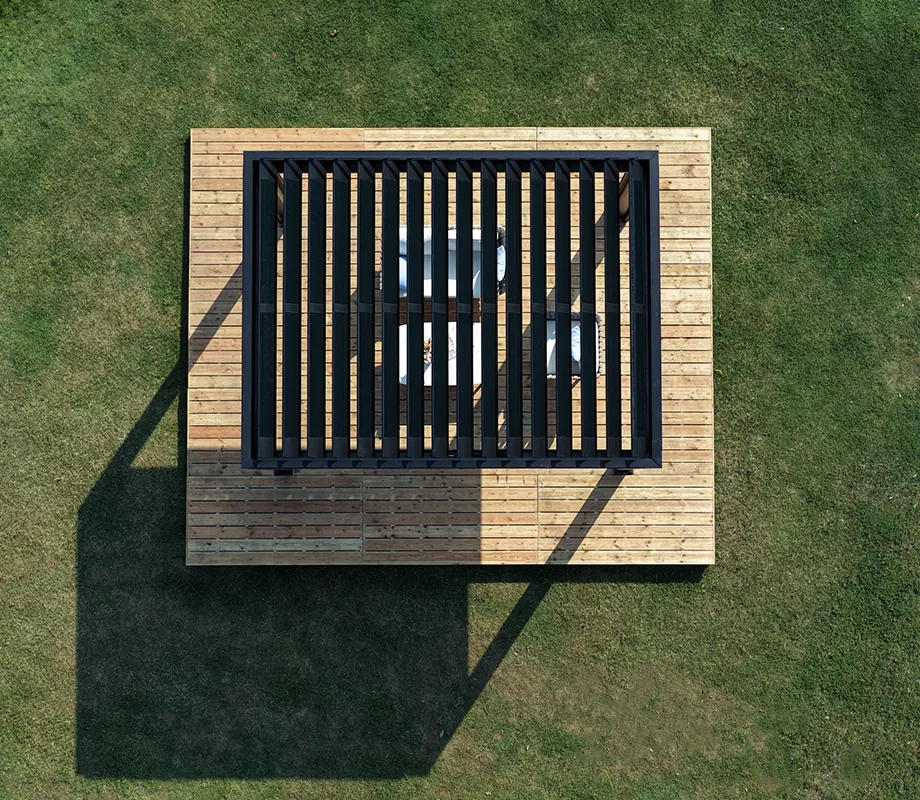
Essential technical truths to specify up front
Begin with measurable limits: design wind loads, live loads, deflection tolerances, and drainage paths. State the material standard—aluminum alloy grade, powder-coating film thickness (microns), fastener materials (316 stainless for coastal exposure)—and how finishes are to be tested. Show how the pergola will interface with building membranes and parapets; note required flashing details and anchor embedment depths verified against structural drawings. Specify electrical and lighting conduit runs, and state whether the supplier supplies integrated wiring or leaves that to the electrical contractor. These concrete items remove guesswork at tender time.
Procurement strategy that reduces unknowns
Procure to performance, not to vague imagery. Issue a performance specification and a concise bid package: elevations with key dimensions, a Bill of Materials, finish schedule, and a clear installation scope. Ask vendors for factory mock-ups or shop samples for color and joint detailing. Set non-negotiables: delivery windows, storage conditions on site, and post-install inspection protocols. Include a reasonable payment schedule tied to milestones—fabrication signoff, delivery, and final acceptance—so cash flow supports quality without rewarding delay.

Common pitfalls and how to avoid them
First, underestimating lead times—machined connections, custom louvers, and special coatings add weeks. Second, unclear responsibilities at interfaces—who seals the membrane where the pergola post meets the roof? Third, neglecting maintenance paths—fasteners should be accessible and finishes serviceable. Fourth, skipping load verifications—the rooftop that holds planters and people must be proven for the cumulative load. Avoid these by insisting on stamped connection details and a clear responsibility matrix in the contract documents.
How experience changes decisions
Years of specifying outdoor structures teach a pragmatic cadence: prototype the critical joint, confirm finish longevity on samples, and schedule installation when the site is dry. Experienced teams insist on mock-ups viewed under actual light and weather conditions; they require express warranty language that names the paint system and fastener grade. That authority—derived from repeated projects—keeps disputes factual rather than rhetorical.
Synthesis
When planning and purchasing for commercial pergolas, the remedy is simple and disciplined: translate aesthetic aims into measurable technical requirements, demand verified samples and clear responsibilities, and buy with schedules and warranties that reflect the reality of fabrication and installation. Such clarity reduces cost surprises and preserves design intent; thoughtful teams working with dependable fabrication partners, like Light Hunter, find that good procurement is itself a kind of permanence on the terrace.