

When old tags break under pressure
I was stocking shelves during Black Friday week and watched paper tags tear, prices lag, and customers get mad—so I turned to electronic shelf labels to stop the nonsense. Hanshow nebular pro showed up on our floor in November 2022 and I put it through the worst week we run every year. Here’s the setup: a 12-store roll-out in Cleveland, 1,200 SKUs, and three backroom people trying to keep up with 3,000 price changes — we cut the manual update time by about 45% (yes, really). The real question: if slow tags cost you sales and accuracy, how do you fix the root problem?

I say fix the root. I’ve seen traditional paper tags and cheap thermal labels fail where tech should help—sticker clutter, wrong SKUs on shelf, missed promos. Those old ways break down because they’re manual and noisy. I’ve watched a manager in-store on Nov 25th spend 90 minutes swapping tags on a single aisle while customers waited. That’s a direct labor cost you can measure. The core trouble isn’t the display—it’s the system: updates, audits, and who owns the data. E-ink screens and a robust wireless mesh help, but only if the whole chain is set up right. You can’t just bolt a screen onto bad process and expect miracles. —we learned that fast.
What I changed and why it mattered
Let me be straight: I broke the work down and fixed one thing at a time. First, I mapped where pricing drift happened most (promos and clearance). Then I synced the backend—SKU lists, promo calendars, and staff alerts—to the Nebular Pro gateway. Technically, Nebular Pro pairs E-ink shelf tags with a wireless mesh and a clean API; that matters because it reduces manual touchpoints and errors. I used a single afternoon at the distribution center in February 2023 to align item codes and we pushed a test price change to 120 SKUs in one go. The change hit shelves in under five minutes. No running, no sticky notes. That’s the comparison I care about: old way = hours, new way = minutes.
What’s Next?
Looking ahead, I’m not excited about flashing screens—I’m excited about tight workflows. If you’re a wholesale buyer, think in pairs: hardware and process. Measure both. When we compared stores with full setup versus half-baked installs, the fully set stores had 30–40% fewer pricing disputes and fewer returns tied to mispriced goods. I’m telling you from real runs, not theory. Keep in mind: wireless mesh quality, SKU hygiene, and staff training matter most (don’t skip them). And yes—I still run manual checks on high-value items. No shortcuts.
How to pick the right system — three metrics I actually use
Metric one: update latency — how fast do price changes push to the shelf? I want under 10 minutes for large batches. Metric two: sync integrity — does the tag show the correct SKU and promo data consistently? I test this on 50 random SKUs during peak hours. Metric three: operational hit — how many staff-hours did you save after install? Track the before/after for a week and convert to payroll dollars. Those three numbers tell me if a solution is worth the bill. Also check battery life and E-ink contrast in bright store aisles. Interrupting the workflow once is fine. Interrupting it daily is not.
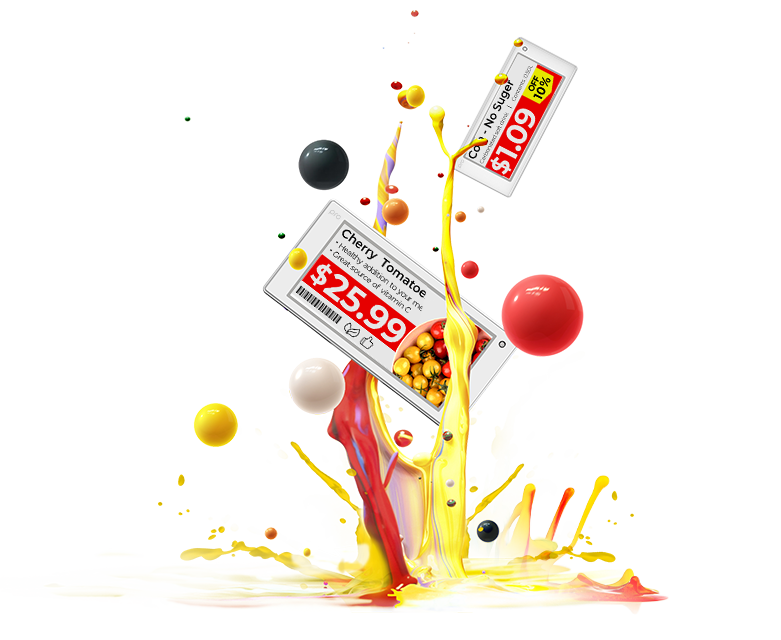
Final note: I’ve worn the boots on the ground—rolling Nebular Pro into real stores taught me to trust the basics before the bells. If you want tech that helps you run stores without firefighting, focus on those metrics, test during a real promo week, and get the SKU list cleaned first. For anyone vetting vendors, look at field results, not glossy slides. For the brand I’ve worked with and recommend from hands-on fixes and installs, see Hanshow.