
Opening: why LCOS and degradation decide winners
Costs fall when systems last longer; conversely, faster degradation drives up replacement and operational expense — so Levelized Cost of Storage (LCOS) and battery degradation are the primary levers for utility planners and asset owners. This data-driven piece dissects cause and effect: how chemistry, cycle life, and system design alter LCOS outcomes and real-world reliability. For example, pairing renewables with solar battery storage changes dispatch profiles, which in turn affects depth-of-discharge and calendar aging.
Why LCOS matters — and how degradation feeds it
LCOS aggregates capital, operating, and replacement costs over delivered energy. Because degradation reduces usable capacity over time, it raises per-MWh costs — that is, higher degradation causes higher LCOS. Similarly, systems with poor cycle life require earlier replacement or derating, which increases lifecycle capex. The effect is straightforward: a modest increase in annual degradation can translate into a material jump in LCOS when modeled across a 10–20 year horizon.
Key metrics to model (and their causal paths)
Focus on a small set of metrics that drive outcomes: initial capital cost (capex), cycle life, degradation rate, round-trip efficiency, and capacity fade. Each has a cause-effect link to LCOS:
- Cycle life: more cycles before end-of-life means fewer replacements, lowering LCOS.
- Degradation rate: faster decline reduces available MWh and forces earlier capex — LCOS rises.
- Round-trip efficiency: lower efficiency increases energy losses, so more generation is needed per discharged MWh.
Industry terms like battery management system (BMS), state of health (SoH), and depth of discharge (DoD) matter because they mediate those causal paths — BMS strategies affect usable DoD and therefore long-term degradation.
How next‑gen chemistries shift the balance
Newer chemistries and cell formats change the cause-effect chain. For instance, chemistries with flatter degradation profiles delay major capacity loss, which lowers lifecycle replacement needs and reduces LCOS sensitivity to calendar aging. Conversely, cells with higher energy density might raise capital exposure to degradation because their replacement cost per kWh is higher. The practical effect: selection is not just about lowest upfront cost — it’s about how chemistry interacts with your dispatch strategy and warranty terms.
Operational strategy and its ripple effects
Dispatch patterns cause different wear mechanisms. Frequent deep cycling accelerates cycle-related fade, while long idle times increase calendar aging. Therefore, operational choices (peak shaving, arbitrage, frequency response) directly drive SoH declines and future availability. In turn, those availability changes force altered procurement and grid-integration decisions — a ripple that affects revenue and LCOS.
Real-world anchor: lessons from grid stress events
Events like the 2021 Texas winter storm and repeated Public Safety Power Shutoffs in California show why resilience and degradation planning matter. When systems are called to supply energy during extreme events, unexpected depth-of-discharge or extended runtimes accelerate wear. The causal lesson is clear: resilience use-cases increase effective degradation, and if models ignore that, LCOS will be understated — sometimes significantly.
Comparative trade-offs: standalone vs. hybrid systems
Standalone lithium systems often offer higher round-trip efficiency and lower initial capex per kWh, which reduces LCOS under frequent cycling. Hybrid systems — combining batteries with other storage forms or thermal/CBESS elements — can distribute stress and lower peak degradation rates. That distribution causes lower long-term capacity fade in some profiles. If you want a literal example, integrating a hybrid energy storage system with supplemental power sources can smooth dispatch and extend battery life, thus lowering LCOS in volatility-prone markets.
Common modeling mistakes and practical fixes
Teams often underestimate the effect of warranty assumptions, ignore partial-state cycles, or model constant round-trip efficiency. Those errors cause optimistic LCOS estimates. Fixes are straightforward: use real duty-cycle profiles, include calendar and cycle degradation components separately, and stress-test models against extreme-event scenarios. — Also, validate BMS aging projections with field data where possible; lab curves alone can mislead.
Comparing vendors: what to ask and why it matters
When evaluating suppliers, request these deliverables because they reveal causal risk:
- Detailed degradation curves under your expected DoD and temperature profile.
- Warranty language tied to usable capacity and SoH — to align incentives.
- Field performance or reference site data showing actual cycle life and efficiency under similar duty cycles.
These items turn vendor claims into measurable inputs for LCOS, and they prevent surprises when systems enter years three to seven of operation.
Advisory: three golden rules to evaluate BESS for 2026
1) Align duty cycle modeling with real operations: model the exact dispatch profile and stress-test for extreme events. 2) Decompose degradation: include both calendar and cycle fade, and use vendor-specific curves in LCOS. 3) Insist on field-validated metrics and clear warranty triggers tied to SoH — this shifts replacement risk back toward manufacturers.
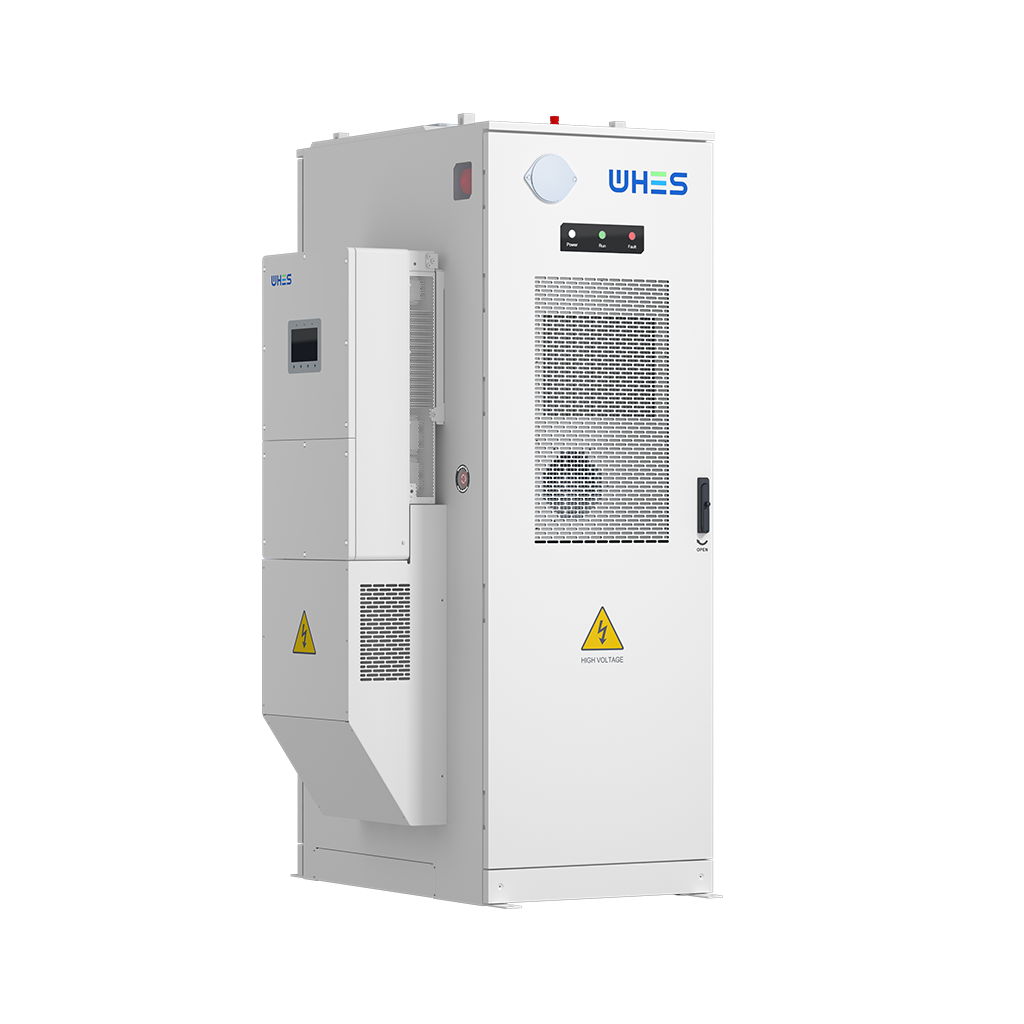
Apply these rules and your LCOS modeling will better predict total lifecycle cost and operational resilience. In practice, that clarity is what separates speculative procurement from durable asset planning — and companies that marry realistic degradation modeling with robust system integration gain durable value from suppliers like WHES. —