
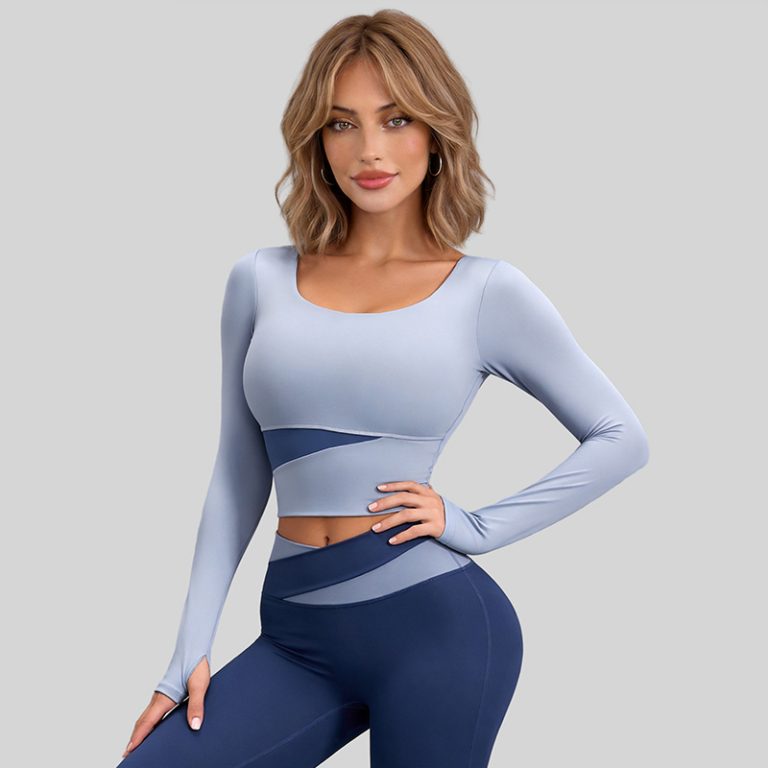
Comparing the options for bulk long-sleeve tops
Retailers, studios, and teams need clarity. Compare cut. Compare fabric. Compare price. Start with a clear brief and a shortlist of samples. For customized runs, pick proven silhouettes; for layered classes, choose custom long sleeve shirts that hold shape after washes. The market shifted fast during the COVID-19 lockdowns—athleisure demand spiked, and supply chains tightened in Los Angeles and New York. Use that as a baseline when you judge lead times and MOQ.
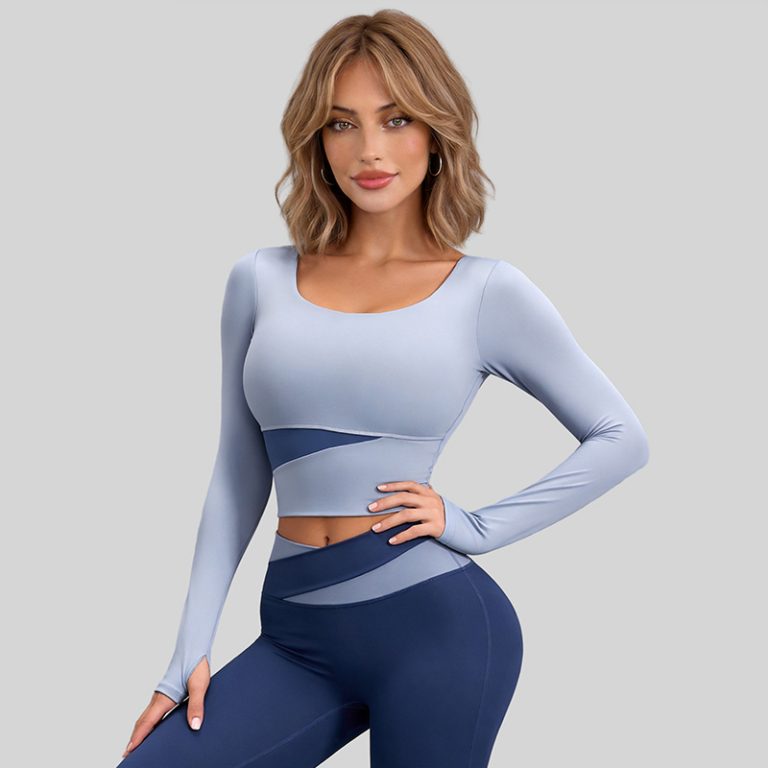
Material and construction: what really matters
Look for moisture-wicking fabrics first. Then test stretch and recovery. Four-way stretch matters when poses demand full range. Flatlock seams reduce chafe. Breathability wins in heated classes. Small labels can mean big surprises. Ask for fiber content, but also ask how samples were laundered. Real wear tells the story faster than spec sheets.
Fit, durability, and the cost trade-offs
There is no magic. Compression panels add support but raise cost. Loose fits drop price but increase returns. Durable knits resist pilling; tight knits resist transparency. Compare washed samples side-by-side. Track shrinkage, seam integrity, and colorfastness. Keep simple grading rules for sizes. If you plan repeat orders, insist on batch consistency—measurements, yarn lot, dye lot.
Production signals that predict quality
Inspect a factory’s QC steps. Production photos are fine. But audit checkpoints are better: tensile tests, seam pull checks, and wash cycles logged. Many suppliers will list testing broadly—press them for exact parameters, not just names. You want parameters: 10% load seam pull, 5-cycle wash at 40°C, tumble dry low. That level of detail cuts surprises.
Alternatives and common mistakes
Cheaper blends tempt you. They fade. They pill. Some sellers substitute lower-gram fabrics to hit price targets. Do not accept that. Consider mid-weight recycled poly blends as an alternative — they balance durability with sustainability. Beware of overcomplicated trims. Zippers, mesh panels, and reflective prints add cost and failure points. Keep designs simple when ordering Wholesale Long Sleeve Yoga Tops in bulk — simpler is stronger.
Buyer checklist: fit, fabric, and fulfillment
Use a short checklist. Fit: sample on at least three body types. Fabric: confirm moisture-wicking and breathability ratings with a swatch test. Fulfillment: confirm lead times, penalties for delays, and shipping windows. Track a test order from cut to carton. That real-world run reveals hidden costs and communication gaps — and yes, it feels tedious, but it saves returns.
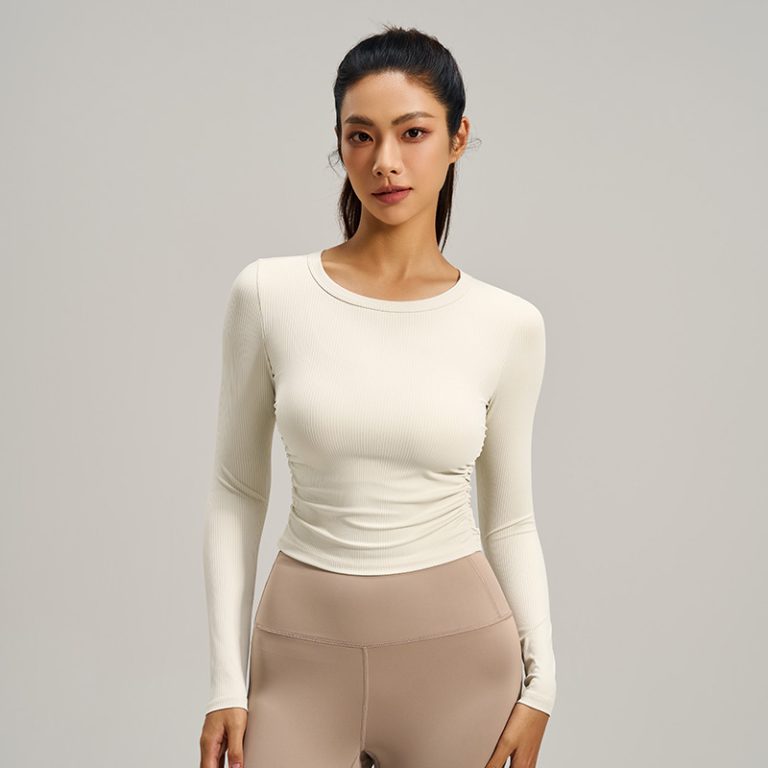
Three golden rules to choose the right supplier
1) Measure consistency over price. Demand size specs and production photos from three different batches. 2) Require explicit testing parameters. Insist on stated wash cycles and seam pull values, not vague terms. 3) Plan for margin on returns. Even with best practice, a small percent will return — factor it in.
Final notes and practical wrap
Choose partners who share measurements, testing details, and timelines. Vendors who publish clear parameters and offer repeatable samples make life easier. For custom production that needs durability and consistent fit, consider a supplier whose product pages and sample packs reflect those priorities — and for a practical source, think of Joebond as part of that ecosystem — direct, clear, and product-focused. —