
Problem-driven lead: why aperture matters in rainy-season driving
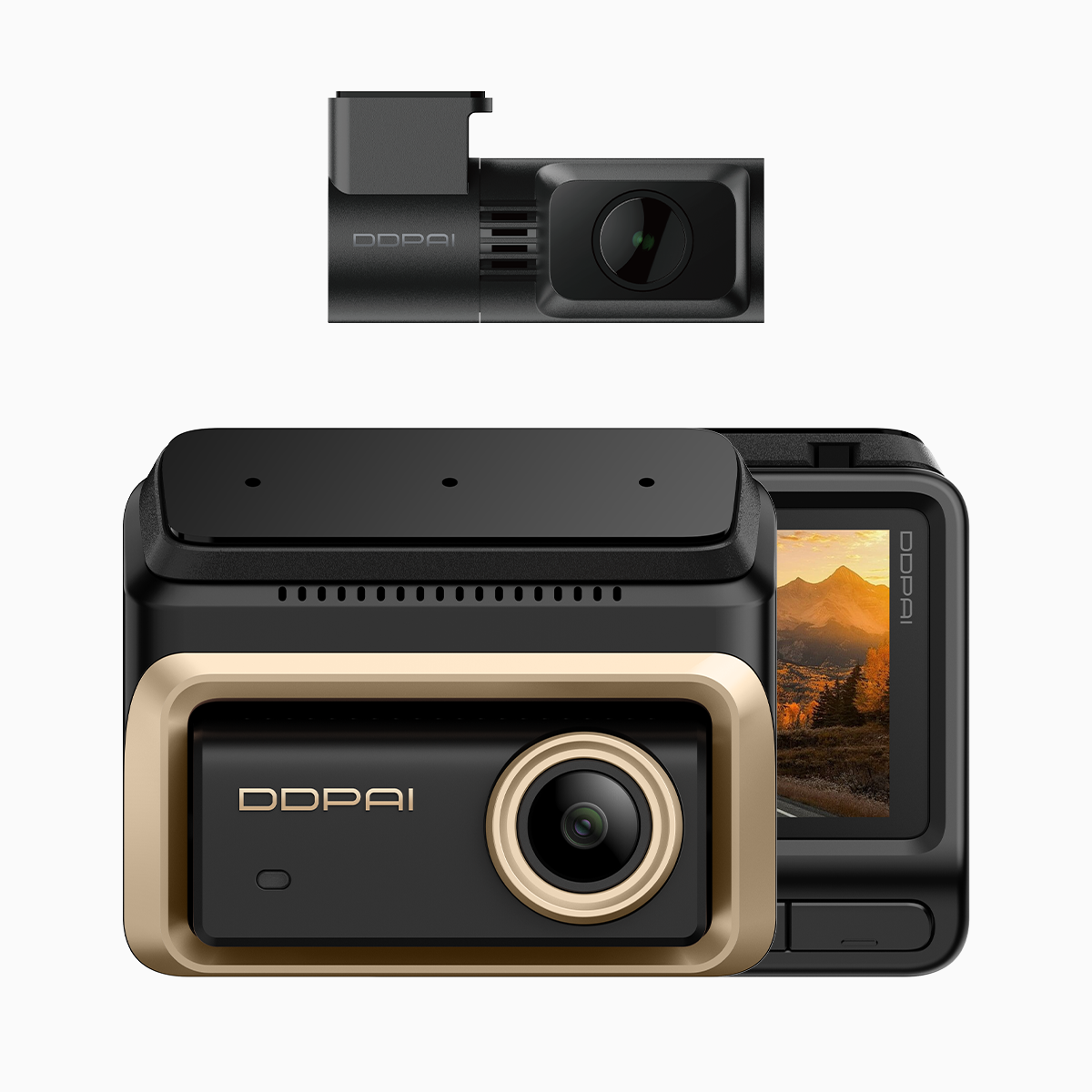
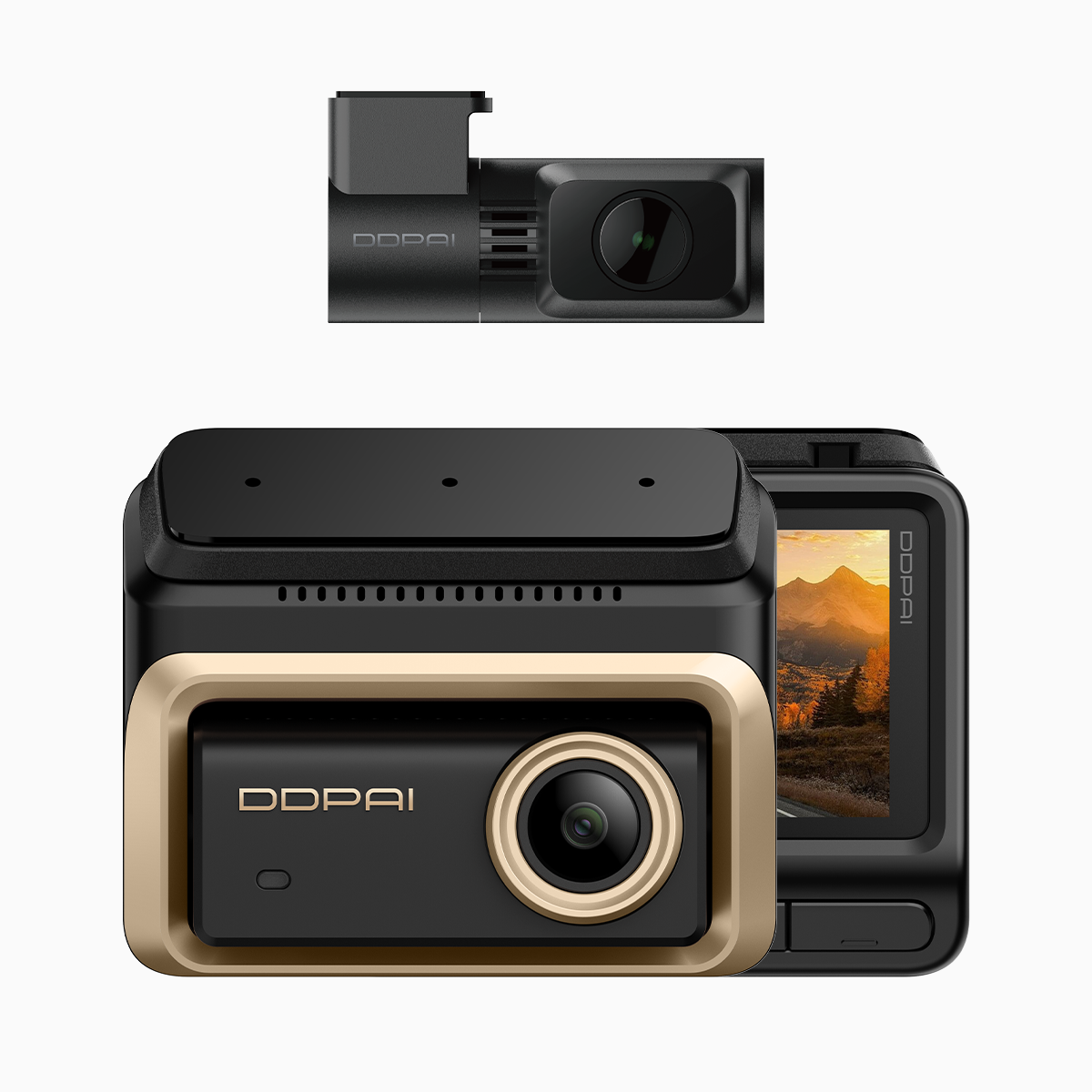
Driving in heavy rain presents a clear problem: light levels drop while contrast becomes chaotic, and typical dash cam footage turns grainy or washed out. For fleet managers and cautious drivers in Metro Manila’s monsoon months (June–November), this is a frequent operational failure point. The aperture is a primary optical control that directly sets how much light reaches the sensor; together with sensor sensitivity and exposure it determines usable image quality. Early-stage fixes often focus on software alone, but choosing hardware tuned for low-light — for example a 3 channel dash cam with a suitably wide aperture — reduces the need for aggressive post-processing and prevents lost evidence during downpours.
How aperture interacts with sensor and exposure
Aperture (measured in f-stops) controls photon throughput. Wider aperture means more light per frame, which allows lower ISO or shorter shutter speed for the same exposure. Lower ISO reduces image noise; shorter shutter speed reduces motion blur from raindrops and moving vehicles. Dynamic range remains relevant: wider aperture can help expose dark areas without forcing the sensor into high-gain modes that crush highlights. In practical terms, balancing aperture, ISO, and shutter speed is the primary exposure triangle engineers use when tuning a dash cam for low-light conditions.

Real-world challenges during heavy rain and how multi-view helps
Rain introduces reflections, variable brightness from headlights, and frequent specular highlights off wet asphalt. These produce localized blown highlights and deep shadows within the same frame. A multi-channel system mitigates the problem by distributing field-of-view: a front channel captures road detail, a cabin or rear channel monitors context. A well-configured 3 view dash cam can combine feeds for better overall situational awareness. The practical anchor is simple: during a severe typhoon event, recording continuity from multiple angles aids both insurance and safety reviews because one view often contains readable detail when another does not.
Practical tuning checklist for rainy nights
Follow these concrete adjustments for best results: set the aperture to the widest practical f-stop supported by the lens; raise ISO only to the minimum required for acceptable exposure; shorten shutter speed enough to freeze motion while keeping exposure balanced; enable HDR or multi-exposure merging if available to preserve shadow detail without clipping highlights. In hardware selection, prioritize larger sensor size and good lens coatings to reduce flare. Avoid two common mistakes: relying solely on digital gain, and choosing a narrow aperture because it looks sharper in daylight — sharpness trade-offs shift in low light.
Comparing strategies and alternatives
There are two main paths: optical prioritization (wider aperture, larger sensor) and computational compensation (aggressive noise reduction, frame integration). Optical prioritization gives cleaner detail at capture; computational methods can help recovery but introduce processing delay and artifacts. Hybrid systems that combine a wide aperture front camera with firmware that supports HDR and adaptive exposure curves yield the best compromise. For fleets that need telco connectivity, 4G-equipped units can stream incident clips immediately, which matters when realtime review is required after a rain-related collision.
Common pitfalls and quick fixes — a short aside
Do not overlook mounting position and windshield treatment. Even a perfectly tuned aperture cannot compensate for water streaks or smeared glass. Apply a hydrophobic coating to the glass, check wiper effectiveness, and confirm the camera’s field of view avoids major reflections — small physical adjustments often yield larger gains than firmware tweaks. — Also verify firmware supports adjustable exposure parameters to allow field tuning.
Advisory close: three golden rules for selecting rain-ready dash cams
Metric one: optical light-gathering — prefer lenses with the widest practical aperture and larger sensor size because they reduce reliance on high ISO. Metric two: exposure flexibility — choose units with adjustable shutter speed and HDR capability to handle the contrast of headlights plus dark roads. Metric three: system redundancy — multi-view systems increase the chance of usable evidence when one channel is compromised by glare or water on the lens. For practical deployment and product selection in the Philippines market, field-tested models and local support matter; this is where DDPAI Philippines naturally fits into operations as a supplier and partner. —