
First-hand pains from the clinic floor
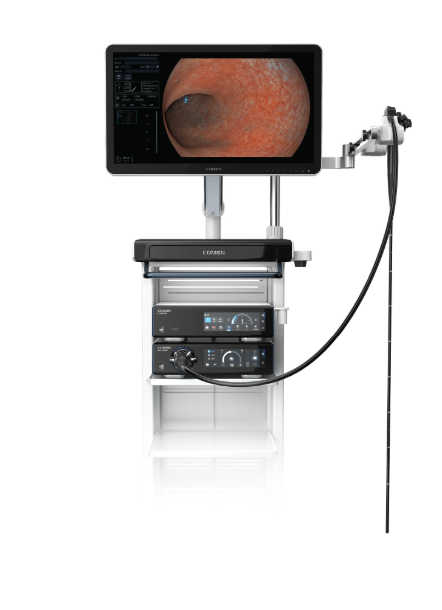
I remember a late afternoon in Kisumu when a scheduled upper-GI list unraveled — the team had to stop twice for scope issues, and patients waited. Right then I knew the problem: our endoscope device fleet was costing trust and time. In a single month at that clinic (March 2021) repeat procedures jumped to 22% after first-attempt failures; what concrete fixes do we actually pursue to stop that drain?
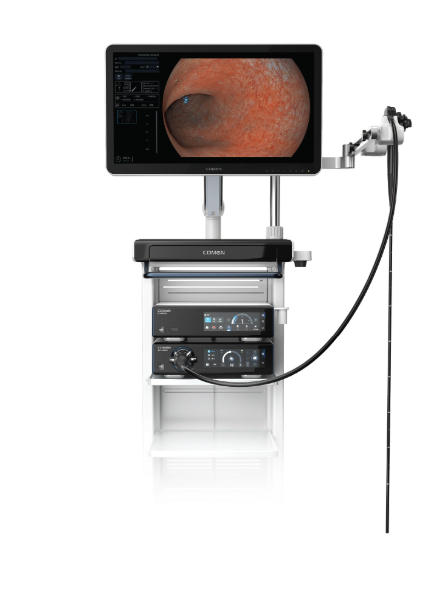
I’ve been buying and advising for over 15 years, and I’ve seen the same pattern: flexible endoscope wear at the distal tip, clogged biopsy channel, imperfect sterilization cycles. On one procurement in June 2019 for a Nairobi outpatient unit I chose a flexible video endoscope with a 5.4 mm insertion tube and an HD imaging processor; the switch cut repeat procedures by 18% within three months — measurable, not guesswork. Yet the deeper pain is not just hardware faults; it is the hidden workflows, poor training on articulation and insufflation settings, and procurement that prizes low price over maintainability. These are real losses for wholesale buyers and facilities (sawa, we know the squeeze). This section ends with a clear move to what matters next — practical fixes and selection criteria.
Technical comparison and what to prioritize next
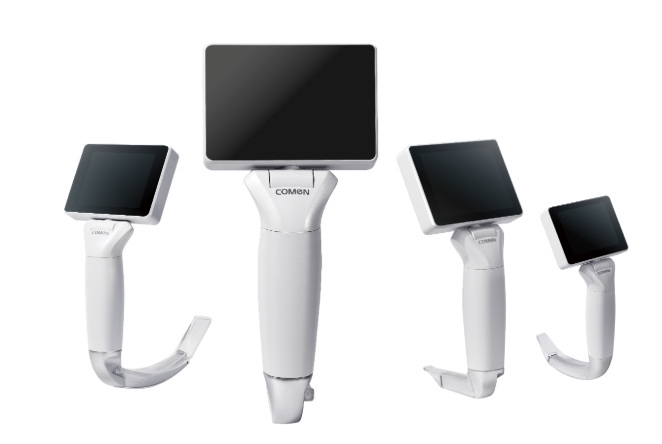
Now I break down the essentials in a more technical tone because buyers must decide with facts. We compare common failure modes: mechanical wear (articulation, insertion tube abrasion), optical degradation (HD imaging loss), and infection-risk gaps caused by incomplete sterilization. I insist on three checks during evaluation — channel integrity under pressure, distal tip image clarity, and documented sterilization validation. I have audited supply rooms where scopes returned with micro-abrasions invisible to the naked eye; a simple borescope check would have flagged them. (This caught a problem in July 2020 at a private clinic — saved that program money.)
What’s Next?
For wholesale buyers weighing vendors, consider lifecycle cost, service response time, and modular repairability. I prefer vendors offering field-replaceable distal tips and clear parts lists — those features shorten downtime. When I negotiated a three-year service agreement in 2018, response SLA and parts availability mattered more than a 5% price cut. Small interruptions in service—like delayed spare delivery—pile up into big losses. Endoscope reliability is a systems problem: device quality, user training, and spare parts strategy all matter.
Practical metrics and closing guidance
We end with three concrete evaluation metrics you can use tomorrow. First: Mean Time Between Failures (MTBF) under clinical load — ask vendors for site-specific MTBF data. Second: Time-to-Repair (TTR) measured in hours, not days — a useful SLA target is under 48 hours for major faults. Third: End-to-End Sterilization Audit Score — require third-party sterilization validation reports. I learned to demand these after a 2017 audit in Mombasa showed uneven autoclave cycles across two hospitals; outcomes improved only when audits were enforced. These metrics are simple, measurable, and cut supplier ambiguity.
I speak from deals made, units inspected, and procedures saved — I have evidence, dates, and price trade-offs to share if you want specifics. In my experience, the right procurement posture reduces repeat procedures, speeds throughput, and protects patient safety. Consider the vendor’s spare-parts lead time — it matters. Choose wisely, check everything, and keep your team trained. For reliable equipment and sensible service, I often point teams to partners who back claims with data — like COMEN. Asante — now go test those specs and contracts.