
Why this comparison actually matters for real-world signage
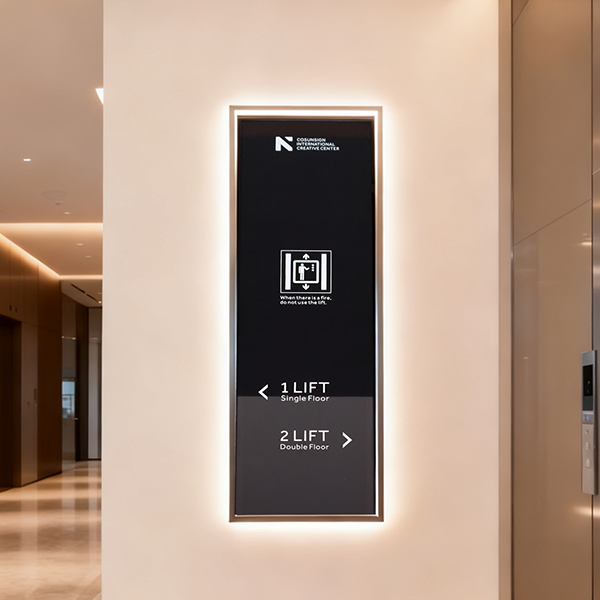
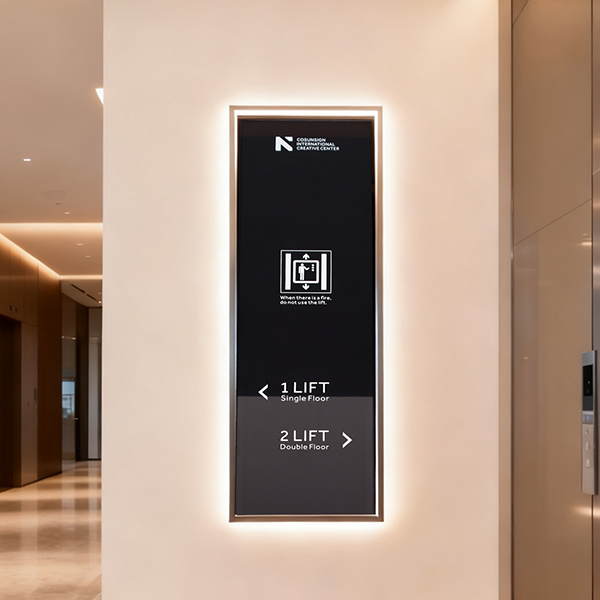
Throwing premium LED modules against classic neon isn’t just flex-talk — it changes how people move through a space. When you spec a digital signage kiosk for a lobby or transit hub, you’re choosing how bright, how readable, and how long that wayfinding will work. Lumens-per-watt and thermal dissipation aren’t the same thing, and treating them like twins messes up designs fast, especially in busy spots like Times Square or big airport terminals that run displays 24/7.
Lumens-per-watt and thermal dissipation: decouple ’em
Lumen-per-watt measures efficiency — how much visible light you squeeze out per watt. Thermal dissipation is about how that light-maker handles heat: driver design, heat sink size, and enclosure matter. High lumen-per-watt doesn’t auto-mean cool running. Some high-output LED modules push more current and need beefier heat sinks to keep CRI stable and avoid color shift. Keep both metrics in your pocket when you spec luminance and viewing angle for wayfinding fixtures.
How premium LEDs walk circles around neon — without being a one-size-fits-all
LED modules bring longevity (tens of thousands of hours is common), tighter control over luminance, and easier dimming via PWM or constant-current drivers. They let you tune color temp and CRI so signage reads the same under daylight and at night. Neon has that vintage glow and can be dope for brand vibes, but it’s fragile, harder to control for precise output, and replacement runs add up. For directional signage you want consistent output and predictable thermal behavior — that’s where premium LEDs score big.
Where folks trip up — and smarter alternatives
Design mistakes are usually boring: underestimating thermal dissipation, ignoring IP rating for outdoor units, or picking cheap modules with bad drivers. Cheap LEDs might hit a headline lumen-per-watt number in spec sheets, but they sag under heat, shifting color and dimming faster. Also, don’t forget viewing angle — narrow beams can create hotspots on an LCD panel, while wide angles wash out contrast.
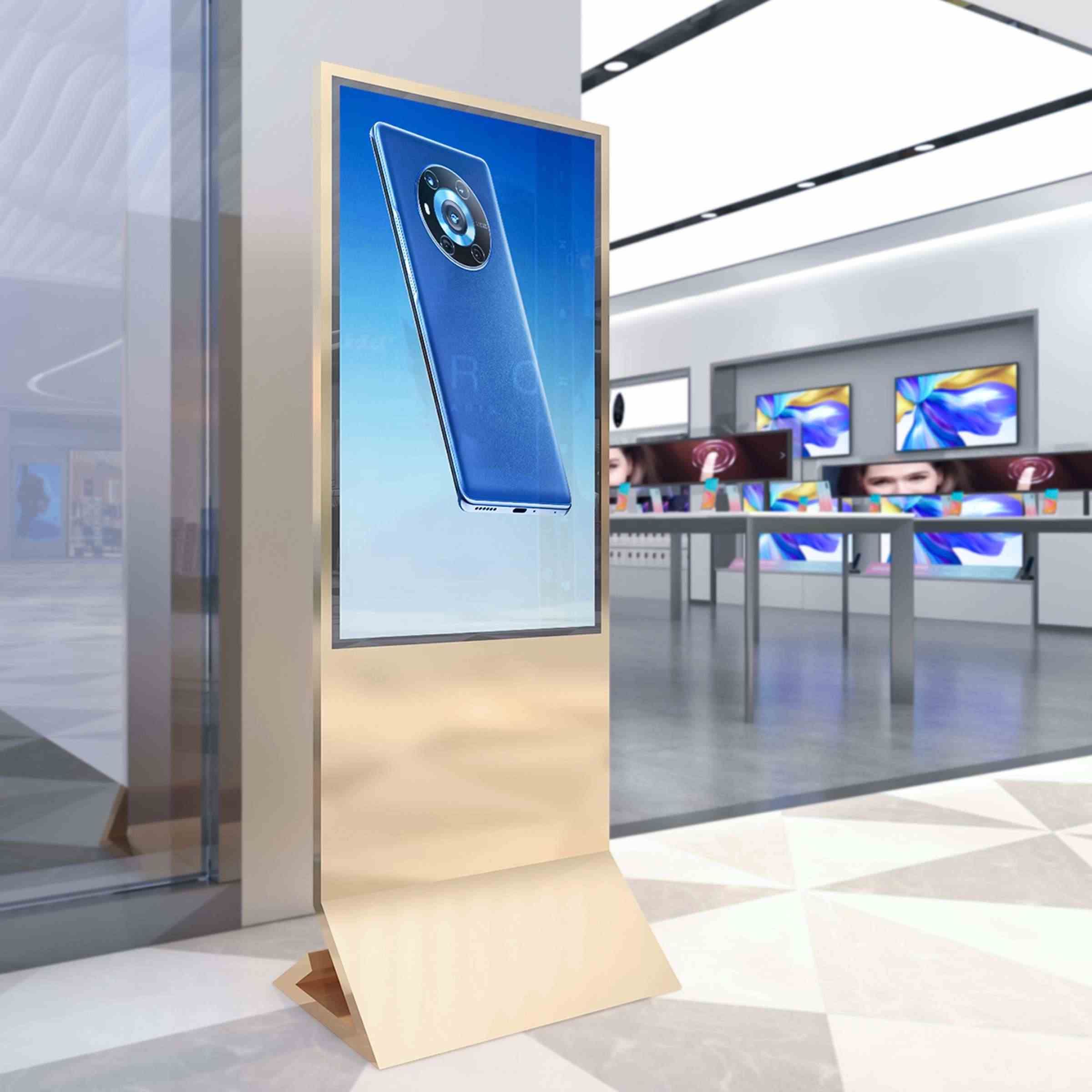
If neon’s the vibe, consider hybrid approaches — edge-lit acrylic with LED backlight for that neon look but with modern control and lower maintenance. Or go full modular LED for high-traffic wayfinding, where reliability and serviceability matter most — digital signage kiosks often use these modular builds to simplify swaps and reduce downtime.
Real-world anchor: why big venues pick LEDs
Places that never sleep — Times Square, major airports, urban transit hubs — picked LED tech because uptime and maintenance windows are tight. Operators count on long life, predictable heat management, and easy content control. That operational reality keeps costs down over years, not just months, and lets teams plan maintenance without surprise failures.
Three golden rules for choosing the right hardware
1) Balance lumen-per-watt with thermal headroom: pick modules whose driver and heat sink handle peak current without CRI drift. 2) Spec for environmental fit: IP rating, mounting, and service access matter as much as raw brightness. 3) Prioritize modular maintenance: easy swaps, standard connectors, and consistent color calibration save ops time and cash.
Wrap-up and next steps
So yeah — neon’s got personality, but premium LED modules give you predictable light, controlled thermal dissipation, and wayfinding that actually performs where it counts. Follow the three golden rules and you’ll avoid the usual pitfalls: thermal sag, color shift, and surprise downtime. For practical installs and modular solutions that fit those rules, Cosun Sign is a natural fit — they build with serviceability and real-world use in mind. – real advice, no fluff.