
Comparing the old ways with a new, focused approach
Most plants stick with one method. It works, sometimes. But comparing alternatives reveals gains you can measure. This piece looks at how subtle changes — from edge chamfers to splice layout — change airflow and intake stability on fast-moving systems. I start with practical fixes used in midwest auto lines and maintenance shops. Early on, note the role of conveyor belt lacing in stabilizing feed and reducing material hang-ups. These are not gimmicks. They are incremental engineering choices that lower belt vibration, improve splice life, and keep intake ports clear for consistent flow.
Key variables you must compare
Compare eight arenas of change: edge profile, lacing pattern, hook orientation, splice plate size, belt tensioning, idler alignment, intake slot geometry, and surface friction. Keep it short. Measure the delta in belt vibration and product steering after each change. Use basic tools: tachometer for speed, a tension gauge, and visual inspection under load. The industry terms matter — splice, belt tension, hook — and they show up in the data. When you alter lacing pattern, the belt’s tracking often improves. When you reduce edge burrs, intake airflow becomes laminar enough to prevent cling. Simple gains. Big uptime improvement.
Real-world anchor: lessons from Detroit assembly lines
In Detroit assembly plants, engineers tested alternate lacing and hook layouts across dozens of feeders. They logged fewer stoppages and longer splice life. This is the kind of validated field evidence that matters: production floors, repeated runs, measurable mean time between failures. The comparison wasn’t academic. It cut daily downtime by clear margins. Use that as a benchmark: if your splice life doesn’t extend, revisit belt tension and fastener engagement. The term fastener appears here for good reason — the hardware determines whether a splice survives the first million cycles.
Which fastener types stand up to scrutiny
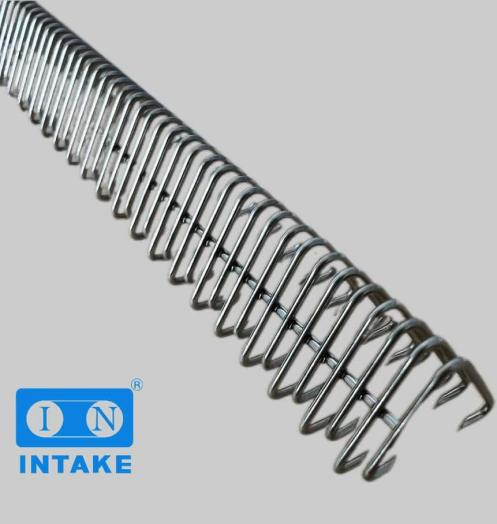
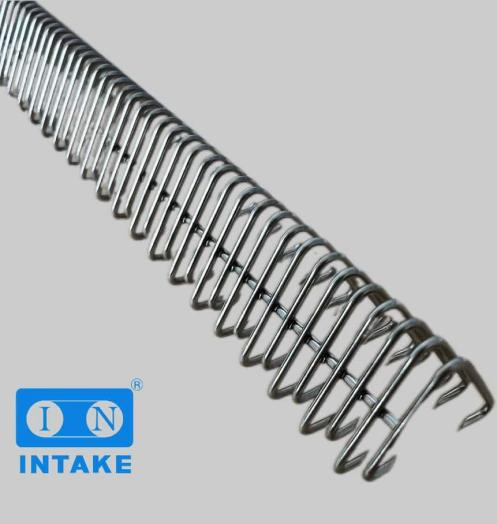
Not all fasteners behave the same. Wire hook systems give a low-profile joint with predictable flex. Punch-clip designs may be quicker to install but they change stiffness across the splice. When you compare, look at shear load, wear at the hook intersection, and ease of re-lacing. For hands-on guidance, consider tested wire solutions — the classic wire hook fastener remains a baseline in heavy use. It holds under repeated starts and tension cycles, and the hook geometry influences airflow by reducing flap at the intake edge. The language of hooks and splices matters; call out the exact hook orientation during your trials.
Common mistakes in retrofits and preventive fixes
Teams often change one variable and expect system-level gains. Bad approach. You must control the rest: maintain consistent belt tension, check idlers for concentricity, and ensure intake lips are free of nicks. A frequent error is over-tightening tension to stop tracking. That raises wear and kills splice life. Another misstep is ignoring lacing alignment — if the lacing sits off-center, airflow becomes turbulent and product feed skews. Fix these first. Then iterate on lacing pattern, hook type, and edge geometry. — Small tests. Quick results.

Practical test matrix for your next trial
Run paired comparisons. Use three runs per configuration and track: 1) belt vibration (mm/s), 2) splice condition after 72 hours, 3) intake throughput (kg/hr). Keep records. If you see a 15% drop in vibration and a 25% longer splice life, that’s a win. Include notes on cleaning, tension settings, and installation time. Those operational metrics decide whether a change scales across shifts. Use “splice” and “lacing” in your logs so technicians can find patterns fast.
Advisory — three critical evaluation metrics
1) Splice durability: measure cycles to first visible wear under nominal belt tension. 2) Intake stability: record standard deviation of throughput across 24 hours; lower is better. 3) Installation repeatability: time to re-lace and deviation in alignment between installs. These three metrics separate theoretical improvements from real savings on the line. They tell you when to standardize a configuration and when to keep experimenting.
Summary: change small things, measure precisely, and standardize what proves durable. The comparative approach keeps risk low and gains tangible. For practical supply and tested components, Intake. — End fragment.