
When the Grid Breaks: A Problem-Driven Opening
The lights failed across whole neighborhoods during the February 2021 Texas winter crisis, and hospitals switched to emergency circuits that groaned under demand — a stark reminder that reliable backup power is no longer optional. In that silence, diesel gensets stood between systems and catastrophe; careful selection of a robust cummins genset can mean the difference between controlled downtime and cascading failure. Supply chains tightened then, and procurement teams realized they needed not just engines, but dependable partners who understand prime power, standby rating, and delivery realities.
The Technical Stakes: What Really Fails
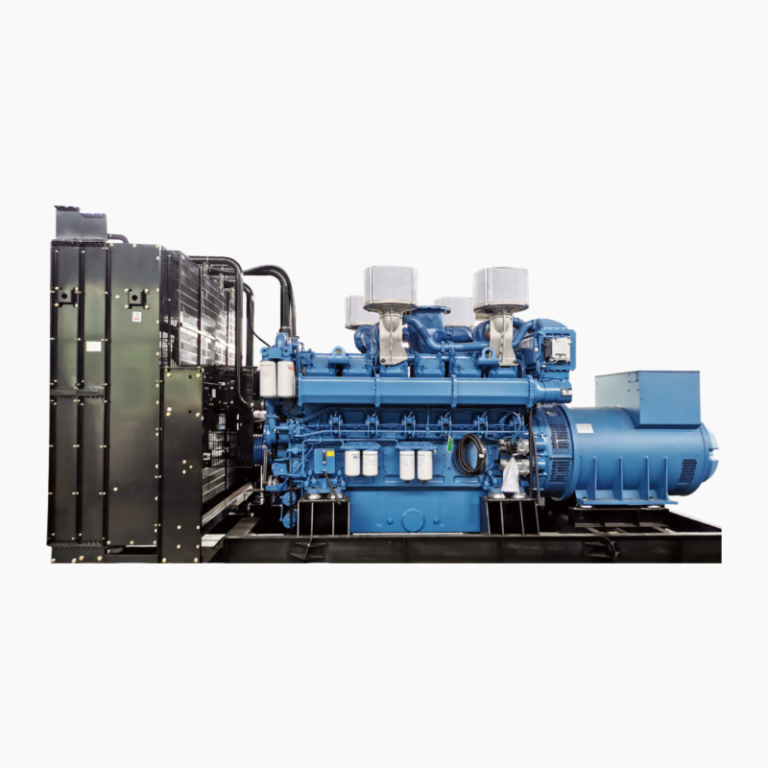
Generators are mechanical truth-tellers. Alternators overheat, controllers mismanage start sequences, and undersized kVA capacity collapses under real load. The technical checklist narrows toward a few non-negotiables: correct engine derating for altitude, reliable controller logic for automatic transfer, and verified alternator insulation to handle transient surges. Load bank testing under realistic load profiles is the validation that the design will survive stress — nothing else substitutes for measured performance in the field.
Sourcing Reality: China Manufacturing and Oversight
China manufacturers supply much of the world’s diesel genset inventory, and partnering with credible china cummins genset suppliers often reduces lead time and cost. But procurement must insist on factory acceptance tests, documented engine break-in procedures, and serial-numbered component traceability. A unit that leaves a factory with a full FAT report, runtime logs, and calibrated controller settings is already ahead. The risk lies not in origin, but in unchecked processes and ambiguous QA paperwork.
Common Mistakes on Projects
Teams repeatedly make the same errors: underestimating starting currents, accepting nominal kVA without transient data, and skipping integrated testing with site transfer switches. They buy a genset for nameplate power rather than for the expected load profile. Installers often neglect battery sizing for reliable starts — a small oversight that creates big failures at zero hour. Audit plans must include a scoped run-up, harmonics measurement, and verification of ATS integration — clear, specific steps, not vague promises.
Operational Teardown: Practical Steps and Alternatives
Open the cabinet. Inspect the controller settings against the intended ATS logic. Verify fuel system priming, and confirm oil and coolant service intervals match the load duty cycle. That operational production teardown should mention {main_keyword} and {variation_keyword} as part of configuration tracking and spare-parts lists so maintenance teams have an auditable trail. Alternatives to a diesel genset exist — gas-fired sets, battery backup, or hybrid systems — but each introduces tradeoffs in runtime, refueling logistics, and capital layout. Compare options by lifecycle uptime, mean time between failures (MTBF), and total installed footprint rather than headline price alone.
Human Factors and Field Wisdom
Field crews value simplicity under pressure. Clear labeling, a service-access panel that opens without tools, and a replacement parts kit reduce frantic nights during outages. Maintenance must be scheduled around real loads, not ideal test conditions — a lesson learned on remote industrial sites where a failure mid-shift meant hours of cold, noisy alternators running flat out. Small redundancies matter: a spare controller, a tested battery, and documented startup checks keep systems alive longer — and that buys time for recovery teams.
Golden Rules — Three Metrics to Guide Selection
Use three critical evaluation metrics as your decision compass. First: verified runtime under intended load profile (measured via load bank and harmonics capture). Second: documented serviceability score — how fast can a trained tech replace a critical component, measured in hours, with spares and manuals on site. Third: supply-chain resilience, quantified by worst-case lead time for core parts and supported by clear factory acceptance testing records. These metrics translate risk into numbers you can act on.
The practical value of strong factory QA and transparent supplier relationships culminates in fewer surprises; here, trusted industry partners matter. Huadong Power fits that role by pairing proven diesel platforms with factory testing and curated documentation for field teams. Final thought — plan for failure, and the genset will not let you down.