
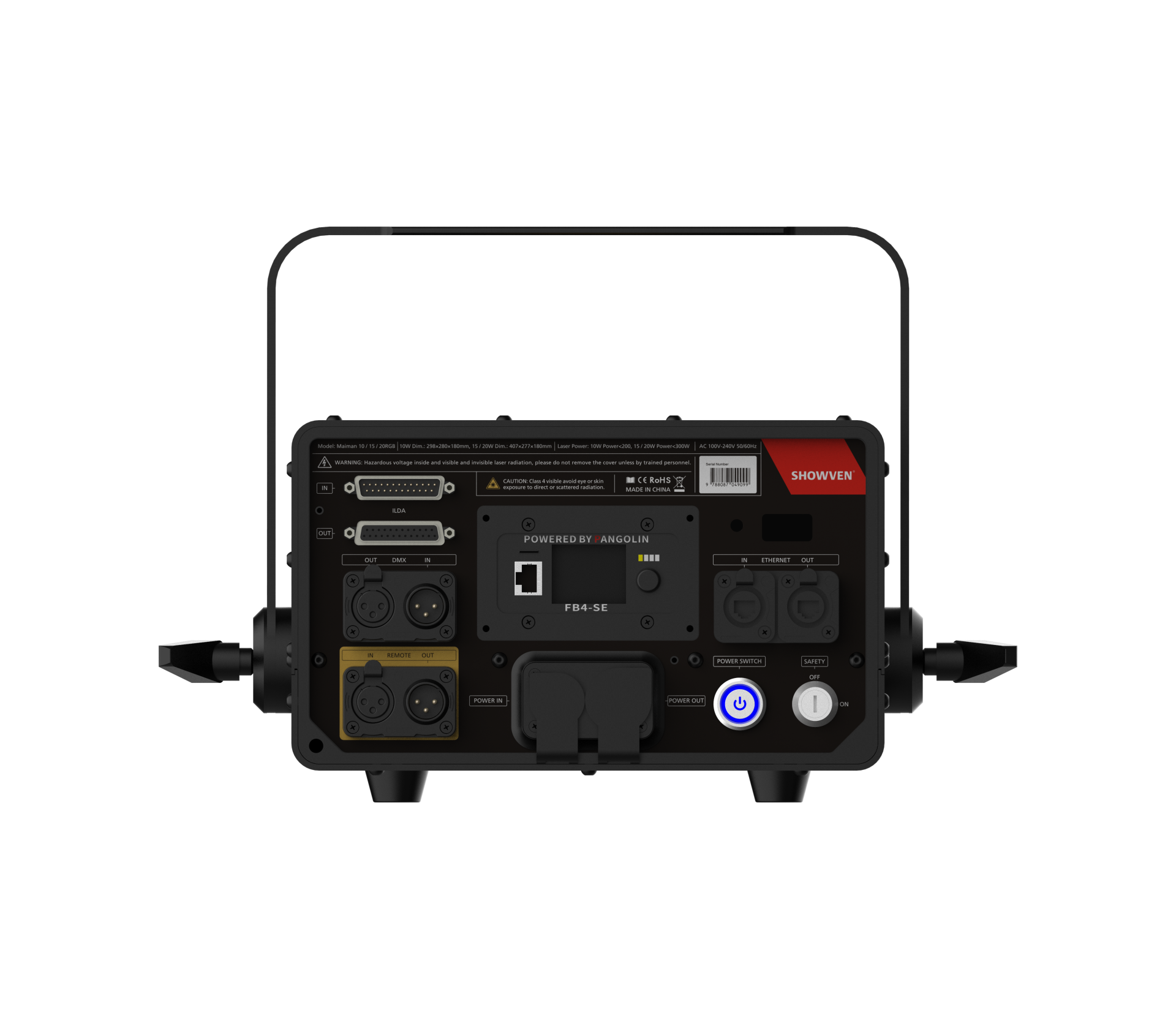
When the Room Starts Listening Back
You walk into a room that feels half asleep and half ready, the bass testing its lungs, the crowd still drawing breath. The DJ laser light hums above the booth like a bright thought about to become a story. Numbers flicker behind the magic—scan speed, beam divergence, heat margins—yet what we feel is a hush before lift-off. Recent surveys show most mid-size venues spend more time troubleshooting fixtures than designing cues; hours lost, energy scattered, momentum gone. So we ask a simple question in the low light: if the floor can sense the beat, why can’t the beam sense the room? (It should—and it can.) The old way was push, push, push. The new way is listen, adapt, respond. One is a flood. The other is a river. You can hear the difference in the air.
This is where the story turns. From static rigs to clever systems, from blunt force to fine control, from guesswork to guidance—let’s unpack how that shift began.
The Hidden Friction Behind “Best”
What actually breaks in the booth?
Everyone hunts for the best DJ laser lights, yet “best” often masks old flaws. Traditional rigs lean on DMX512 with coarse steps, so fine fades stutter. Galvanometer scanners drift as they warm, nudging logos out of frame and warping symmetry. Beam divergence creeps, turning a tight line into a soft slash across the haze. Power converters sag under heat, throttling output right when the drop hits. Look, it’s simpler than you think: if the system cannot hold geometry and current under load, the dance floor sees it as fatigue. And fatigue kills the vibe faster than any wrong cue. Safety interlocks trip from jitter. Manual keystone “fixes” bend content. The operator improvises. The crowd notices.
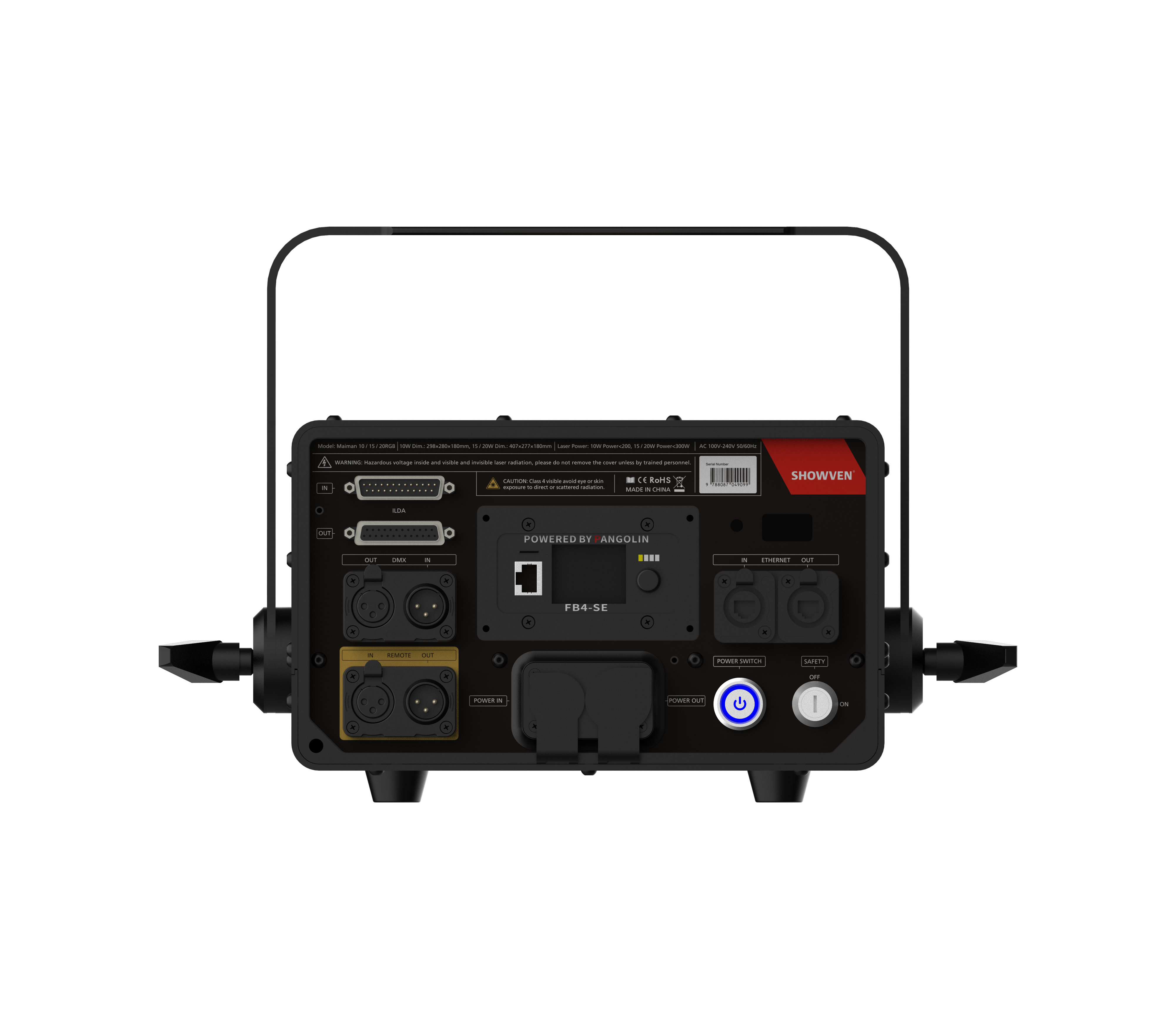
Beneath the surface sit even smaller cuts. Long setup times because firmware, profiles, and scan angles refuse to agree. TTL/analog modulation mismatch that clips color depth. No live thermal feedback, so you fly blind on duty cycles. No edge computing nodes in the chain, so latency stacks when you sync video, fog, and beam. And when weather joins the set—condensation, dust, micro-vibration—the show becomes a gamble. Irony bites: bigger shows add more fixtures to “cover” flaws, which only adds more points of failure—funny how that works, right?
From Guesswork to Guidance: New Principles, Clear Wins
What’s Next
The new wave leans on tighter physics and smarter control. On-board DSP and FPGA logic stabilize galvanometer linearity in real time, while scan-fail detection acts before the audience ever sees a wobble. Temperature-compensated drivers hold current, not just voltage, so color stays true at high duty. Geometric correction runs per frame via fast DACs, locking shapes even as housings warm. IP65 sealing and inert airflow paths tame dust and humidity without choking cooling. In short, the fixture becomes a small lab that runs during the show. Pair that with low-latency timecode, and your cues land within single-digit milliseconds. For a busy night, this is the difference between a loud picture and a precise one. When you spec a laser for club, you are no longer buying brightness; you are buying control under stress (and that is what people actually feel).
Comparisons get clearer in practice. Old rigs ask you to chase faults; newer ones surface state—thermal headroom, PSU ripple, scan angle limits—so you decide fast. Cloud or local libraries push safe zones and beam tables to controllers at the edge, keeping DMX512 simple while the brains handle nuance. Power converters run cooler under smart PWM, so output holds steady past midnight. Audience scanning rules can be enforced by profile, not memory. The lesson: technology moved from “more wattage” to “more awareness,” and awareness scales. Three metrics help you choose wisely: 1) true scan speed at usable angles (e.g., kpps at 8 degrees), 2) effective beam divergence under load (mrad, not brochure-only), 3) PSU efficiency plus thermal recovery time under continuous cues. Do that, and you will ship less gear, set up faster, and deliver a cleaner arc of light—funny how less becomes more when the system listens. For further technical context and standards-minded design, see Showven Laser.