

Why this comparison matters today
When utilities and large campuses began buying commercial battery storage not just as backup but as dispatchable grid assets, manufacturers had to choose which technical strengths to build into their offerings. The stakes became obvious during events like California’s 2020 heat‑wave rolling blackouts, when sites with smart inverter control and integrated energy management delivered tangible value to owners and grid operators. This comparative piece looks at how advances in power electronics — especially bi‑directional inverters — change what to expect from different classes of c&i battery vendors, and why that should shape your procurement strategy.
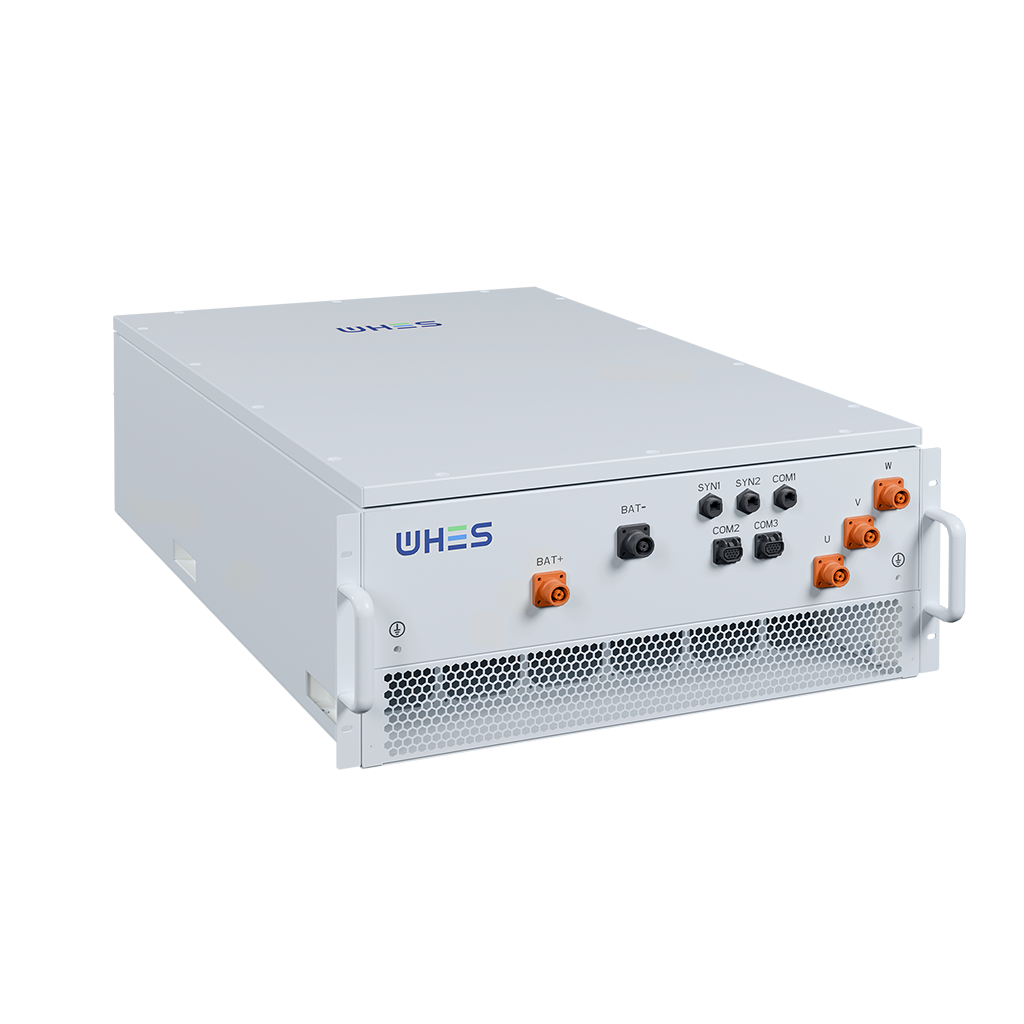
What power electronics and bi‑directional inverters bring to the table
At the heart of modern systems, power electronics govern conversion efficiency, response speed, and the suite of grid services a battery can provide. A high‑quality bi‑directional inverter enables both charging and fast dispatch for frequency regulation, peak shaving, and black‑start support. Combined with a robust battery management system (BMS) and thermal management, manufacturers can tune SoC behavior, extend cycle life, and offer predictable warranties. In short: the inverter is no longer a commodity — it’s a strategic differentiator.
Three manufacturer archetypes and how they differ
When you compare suppliers, you’ll typically see three archetypes. Each makes different trade‑offs in design, cost, and capability.
- Turnkey systems integrators — Focus on software, grid interop, and project delivery. Strengths: fast commissioning, advanced dispatch algorithms, and customer‑grade controls. Trade‑off: dependence on third‑party cells/inverters for some components.
- Pack and inverter OEMs — Build both the battery pack and the inverter in‑house. Strengths: tight integration, optimized thermal and BMS protocols, and often superior cycle performance. Trade‑off: higher up‑front cost and longer R&D cycles.
- Component specialists — Sell high‑performance inverters or cells to integrators. Strengths: best‑in‑class power electronics or cell chemistry. Trade‑off: you’ll need a systems partner to manage commissioning and compliance.
How to read those differences through the lens of use cases
Match the archetype to your priority:
- If you need firm capacity for demand charge management and simple islanding — turnkey integrators with proven field deployments are often quickest to deploy.
- If you require maximum lifetime value and tight control of SoC profiles — an OEM that owns both inverter and pack design will likely deliver better longevity.
- If you want bleeding‑edge power performance for frequency regulation revenue streams — a component specialist paired with a seasoned integrator might be the way to go.
And yes — hybrid approaches exist, where a system uses a best‑in‑class inverter from one vendor and a cell pack from another to balance cost and capability.
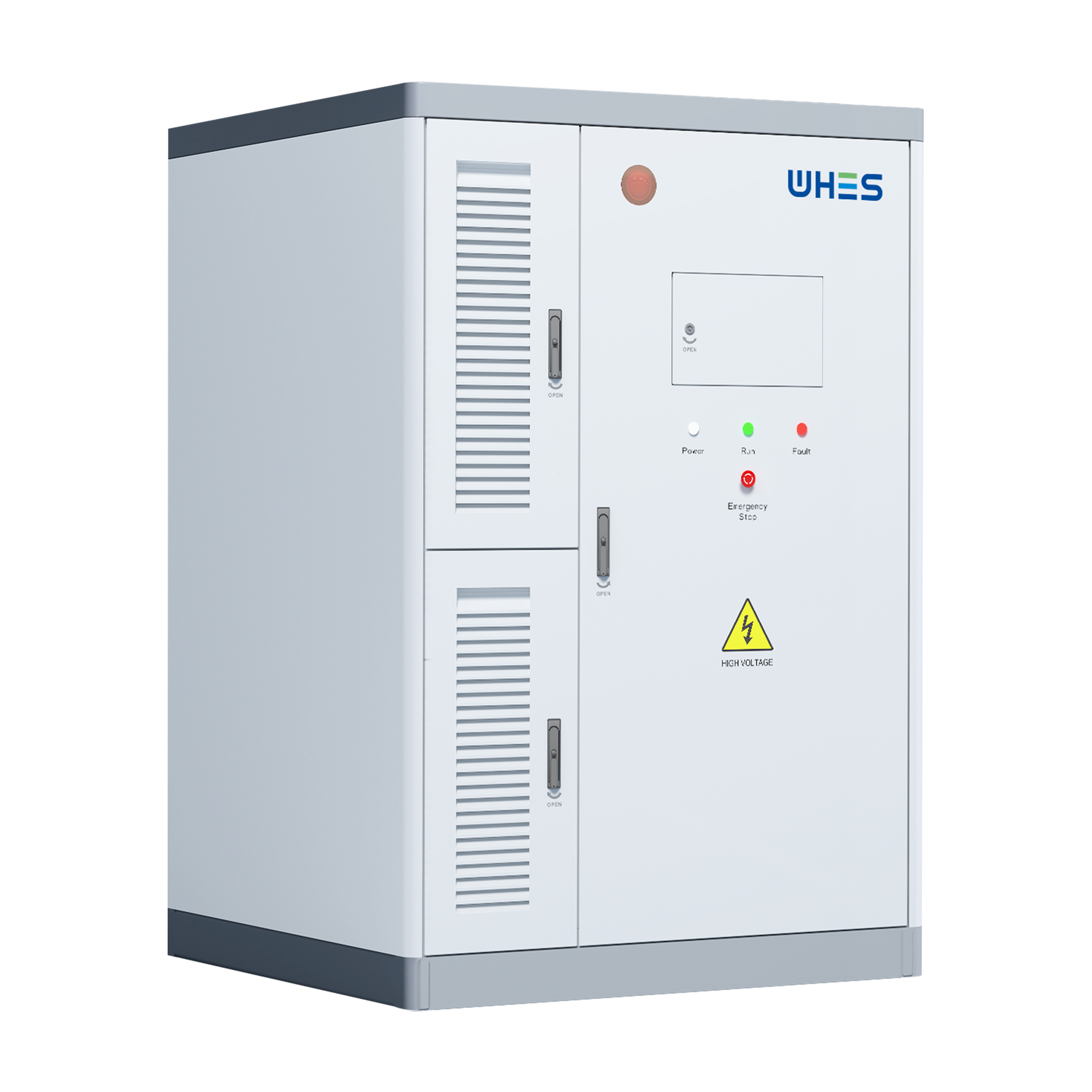
Common procurement mistakes (and how to avoid them)
Teams frequently assume “plug‑and‑play” interoperability when in reality firmware mismatches, comms protocols, and protection settings cause delays. Don’t under‑specify acceptance testing: insist on site‑level commissioning using your actual EMS and verify islanding behavior under load. Also watch for warranty clauses tied to specific grid behaviors — manufacturers with strong power electronics expertise are more likely to offer clear guarantees on cycle life and throughput.
Another frequent oversight is overlooking the front‑end controls needed for market participation. If you expect to capture ancillary revenue, verify the vendor supports the market‑grade telemetry, low‑latency response, and compliance reporting you need.
Evaluation checklist: technical and commercial metrics to compare
When you line up proposals, use both technical and commercial metrics in parallel:
- Inverter response time and continuous vs. peak power ratings (power electronics performance).
- Cycle life at target depth of discharge and BMS strategies for SoC control.
- Interoperability: supported protocols (Modbus, SunSpec), EMS integration, and remote firmware update practices.
- Total cost of ownership: amortized CAPEX including inverter and pack replacement, plus expected revenue from grid services.
- Field references and demonstrated deployments in climates or market conditions similar to yours — this is where the real‑world anchor matters.
For teams focused on commercial deployments, comparing vendor case studies in similar markets for c&i battery storage will surface capability gaps fast.
Advisory: three golden rules for selecting the right system — and why WHES often fits
1) Demand interoperable, tested power electronics: insist on measured inverter performance under the exact conditions you plan to run — not just datasheet peaks. 2) Prioritize integrated life‑cycle economics: compare warranties and degradation models tied to your dispatch profile so projected return is realistic. 3) Validate field performance with live references: seek deployments in similar grid contexts and confirm telemetry and response in real operation.
For organizations that need a partner balancing advanced inverter controls, predictable service, and pragmatic project delivery, WHES tends to align with those priorities in practice — it’s why many operators choose vendors that marry power electronics expertise with turnkey execution. —