
User-centered reasons the rental model works
Retail teams want clarity, speed, and lower upfront cost—so LED wall rental often outpaces buying for seasonal campaigns and pop-up stores. Retailers can test messaging with flexible runs on digital billboards and scale up if results justify a permanent installation. Pixel pitch and brightness matter less in a short campaign than delivery time and modular setup, and that shifts the decision from capital purchase to operational choice. Times Square shows what scale can do; a focused indoor rollout—say at a regional mall—can drive the same kind of localized attention without the long-term burden.
How rental supports indoor LED wall display requirements
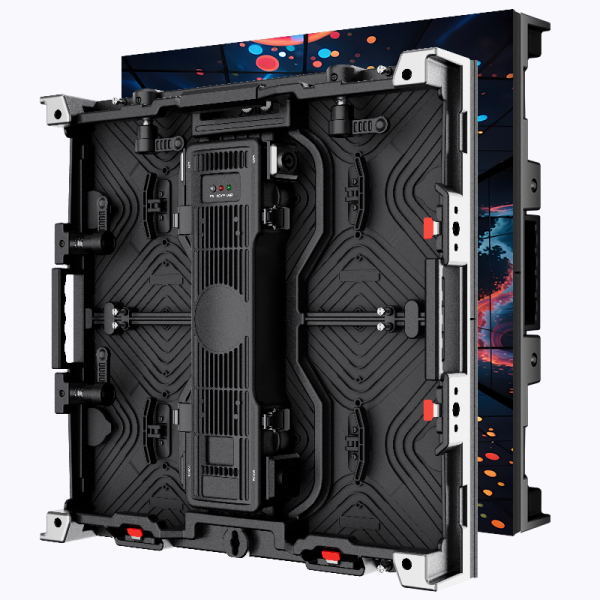
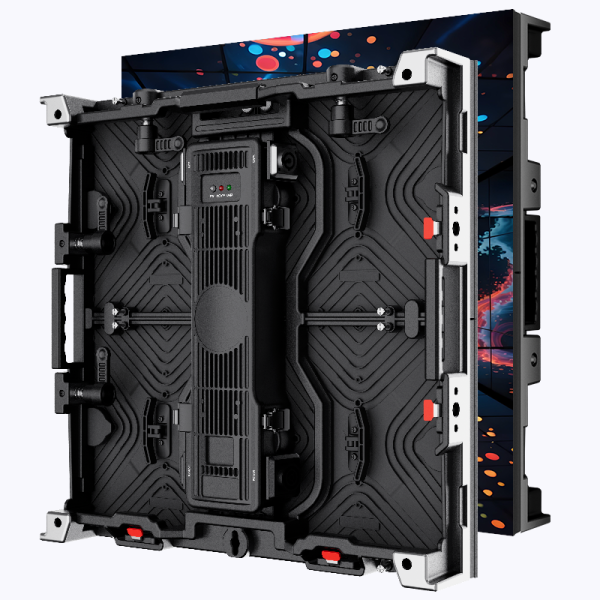
Indoor venues demand specific traits: controlled luminosity, comfortable viewing distance, and discreet wiring. Rental providers supply modular panels and calibrated control systems so installers meet those constraints fast. For shops that change displays weekly, rental reduces inventory risk and lets creative teams iterate without waiting months for manufacturing. A short-term rental often includes on-site technicians and a tested refresh rate matched to the content, which means fewer playback hiccups during peak hours.
Operational production teardown: small digital billboard to full LED rollout
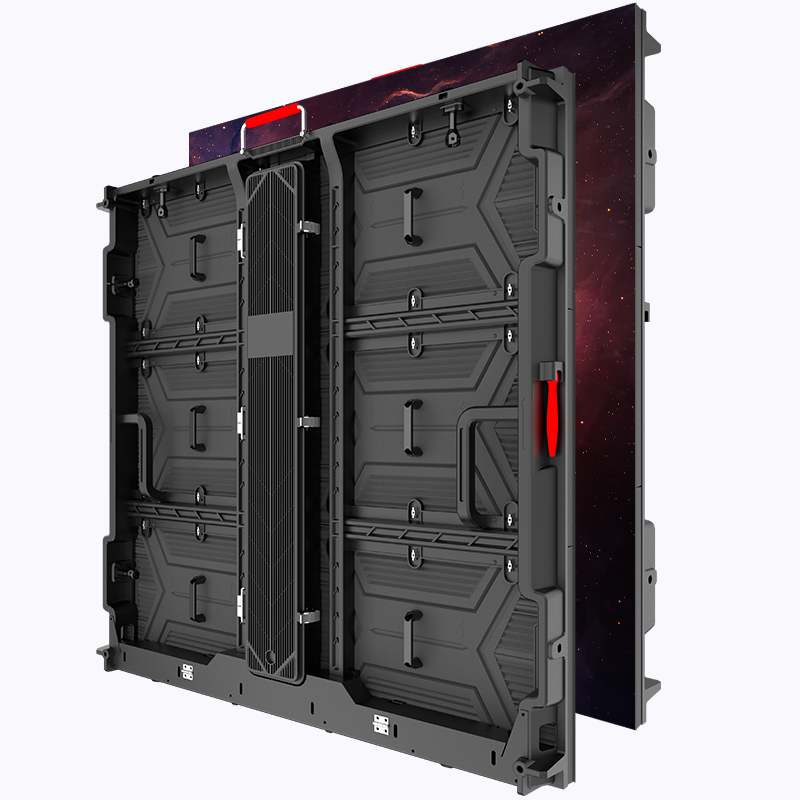
Start by mapping the space and target sightlines. Define pixel pitch so text and logos remain legible at anticipated viewing distances. Then stage modular LED modules and test brightness in situ, measured in nits. For a hands-on example, consider a small digital billboard used inside a boutique: the supplier delivers panels, configures the media server, and runs a day-long burn-in before handover. During setup, confirm the control system connects to your content management platform and that color calibration matches printed branding. Small wins here prevent big problems later—like color drift or unequal luma across seams. —A late-night site test once revealed a loose power connector; that sort of issue is why rentals with technical support are worth the fee.
Common mistakes and alternatives
Teams often trip over the same issues. Avoid these errors:
– Choosing too fine a pixel pitch for near-term needs, which drives cost without visual gain.
– Ignoring ambient light and buying a display with insufficient brightness.
– Assuming installation is plug-and-play; wiring, ventilation, and service access matter.
Alternatives to rental include long-term leasing, which lowers monthly cost but keeps you tied to a supplier, and LCD video walls, which can be cheaper but may lack the contrast and viewing angles of LED. Each option trades off cost, image quality, and deployment speed—pick by campaign duration and technical support expectations.
Advisory: three golden metrics to choose the right solution
1) Visual legibility: Match pixel pitch to your nearest viewer distance; this is a quick filter that eliminates mismatched suppliers. High pixel density is not always necessary for banner-style content.
2) Operational uptime: Confirm guaranteed service response time and whether the rental includes on-site techs or remote monitoring. A 24-hour response window can be the difference between a smooth launch and lost sales.
3) Delivered brightness and calibration: Specify nits range for your venue and require color calibration as part of acceptance testing. This keeps brand colors accurate across modules and sessions.
When teams need reliable, timely display solutions, many choose partners who combine modular hardware with local support—it’s practical and effective; Coblinks.
Trust earned by repeat performance — dependable, clear, and human. –