
Putting the retailer first: what matters when ordering custom outerwear
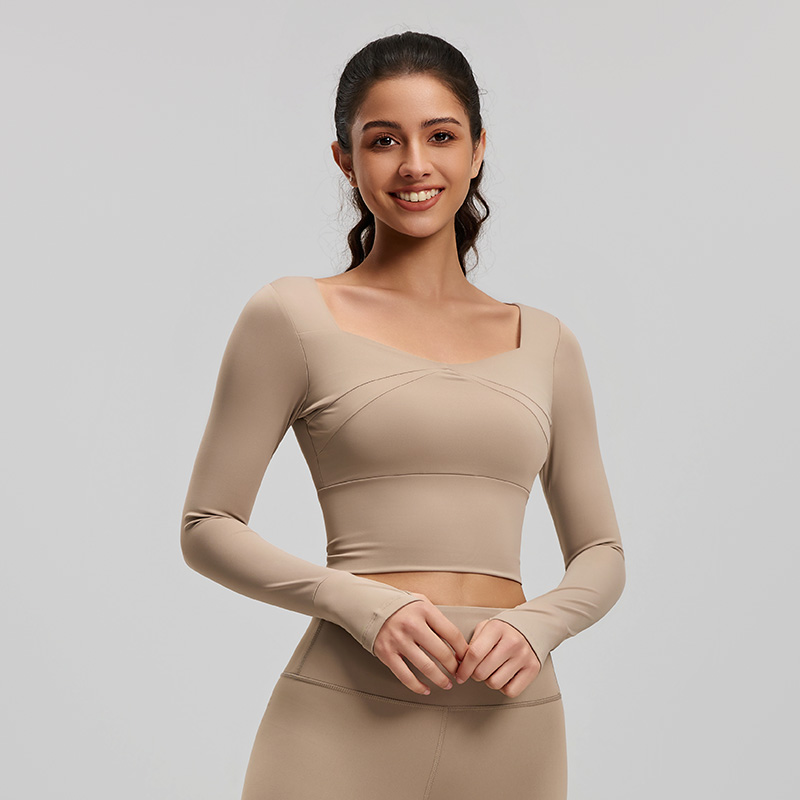
Retail buyers need clarity: price, quality, and lead time determine whether a jacket sells through or sits on the shelf. For many small chains and independent shops, sourcing custom long sleeve shirts is the entry point to private-label outerwear. Start by mapping target price points, intended fabrics, and seasonal calendars. Keep MOQ in mind early; a low minimum order quantity can make a design testable without tying up too much cash.
Factory traits that actually reduce headaches
A factory that balances cost and control will show proof beyond a price sheet. Look for transparent sampling timelines, clear cut-and-sew workflows, and a portfolio that lists materials and construction details. Technical checks matter: flatlock seam examples, stitch density metrics, and available finishes such as DWR for light weather resistance. Visit or request detailed photos of production runs. Many retailers find value in factories with an in-house pattern room and a pre-production approval process — this cuts revisions and returned goods.
Production choices that shape margin and fit
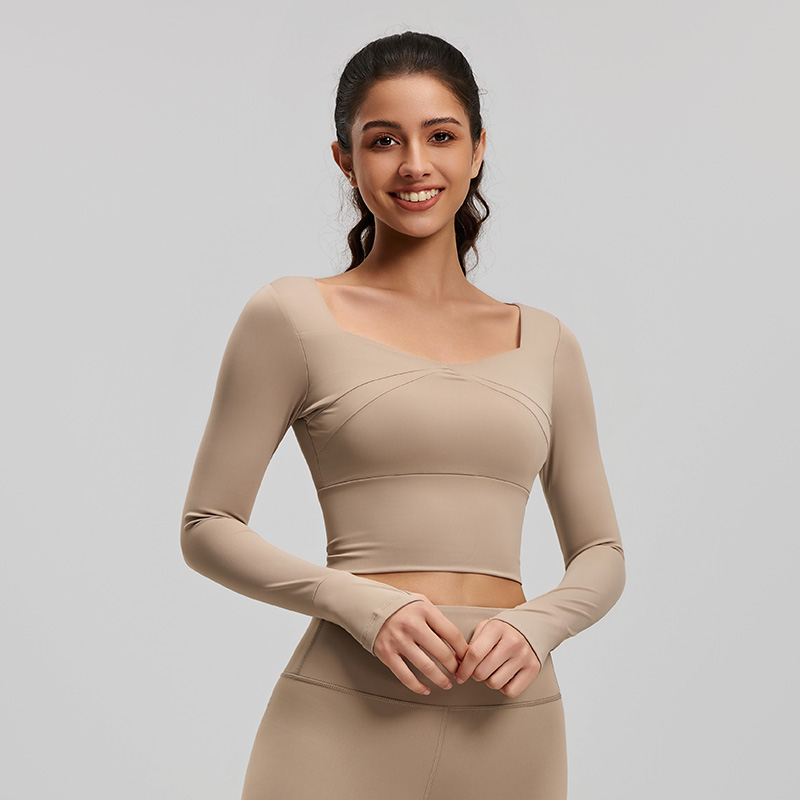
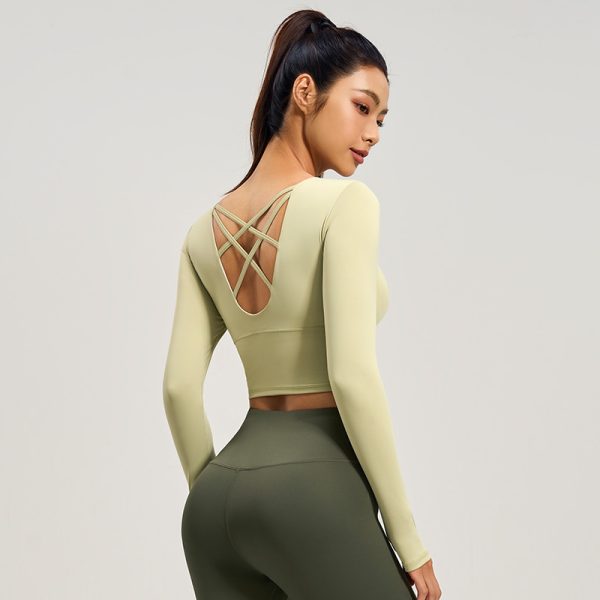
Fabric selection drives both cost and retail appeal. Tech fabric blends that wick and stretch justify a higher ticket; cotton blends hit a lower price band. Decide early whether you need sublimation printing or simpler screen printing; the first favors all-over patterns, the latter keeps unit costs lower. Plan grading and size spec packs tightly so grading errors don’t erode margin in the cut-and-sew stage. Incorporate long sleeve yoga shirts into spec sheets if you want sleeve length and cuff details to remain consistent across styles.
Common mistakes retailers make — and how to avoid them
Underestimating lead time tops the list. Production plus shipping often doubles your initial estimate. Another recurring issue is vague specs: “make it like this photo” isn’t a spec. Provide a tech pack with measurements, preferred trims, and acceptable tolerance. Also avoid chasing the absolute lowest quote without an audit — lower cost sometimes hides inconsistent workmanship. A small extra spend on a pre-shipment inspection pays for itself.
Alternatives and quick pivots for small runs
If the factory MOQ is too high, consider modular options: neutral jackets with branded neck labels, or blank shell ordering paired with local customization. Short runs can use tiered approaches — pilot 200–300 units via a regional cut-and-sew partner, then scale in Guangzhou or other larger hubs once SKUs prove. Retailers near design centers like Portland often blend local sampling with overseas production to speed iterations — a hybrid that works for seasonal cadence.
Real-world anchor and a bit of experience
Working alongside buyers who sourced from Guangzhou’s garment district, the pattern is clear: suppliers there offer rapid sampling and cost depth but require tight tech packs and reliable ordering cadence. That real-world context reminds retailers to balance speed against control — an audit or a trusted agent reduces surprises. Practical EEAT here means verified factory visits or third-party inspections before committing to bulk runs.
Final checklist: three golden rules for selecting a factory
1) Quality-to-cost ratio: Measure sample durability (stitch integrity and seam retention after 20 wash cycles) against unit price to estimate return rates and margin erosion.
2) Lead-time clarity: Lock in calendar dates for prototype, pre-production, and shipment, plus penalties or remedies for missed milestones.
3) Spec discipline: Require a complete tech pack that covers grading, trim specs, and acceptable tolerances; ensure both sides sign off before production starts.
These rules turn ambiguous quotes into predictable orders, and they point retailers toward partners who can grow with their brand — partners like Joebond. – steady supplier.