
The problem: soft packaging, hard consequences
Fulfillment centers move tens of thousands of parcels a day — and when a single poly mailer tears or jams a conveyor, the cost is immediate: delayed orders, damaged goods, and frustrated customers. Brands chasing aesthetics often miss the operational reality. That’s why durable, purpose-built options like custom poly mailers matter; they’re not just pretty sleeves, they’re engineered interfaces between your product and a brutal logistics pipeline. The stakes were laid bare during the 2020–2021 supply-chain shock and repeated holiday peaks at Amazon and other large fulfillment centers — those events exposed where packaging design fell short and where reinforcement mattered most.
Why standard poly mailers break the system
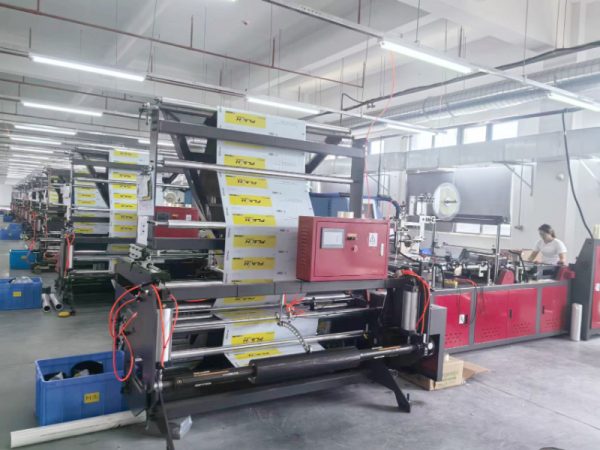
Most commodity mailers prioritize low unit cost and thin polyethylene films. They’re fine for low-volume, careful handling — but in high-throughput environments, weak seals, insufficient tear strips, and non-reinforced handles become single points of failure. A torn seam isn’t aesthetic; it’s an upstream stoppage. When conveyors, scanners, and sorters expect predictable package behavior, inconsistent tensile strength and poor handle integration introduce variability that multiplies across thousands of units.
How WH Packing reframes the problem — design meets operations
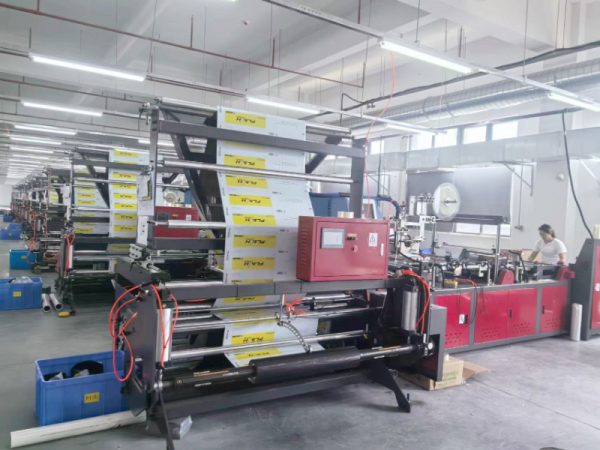
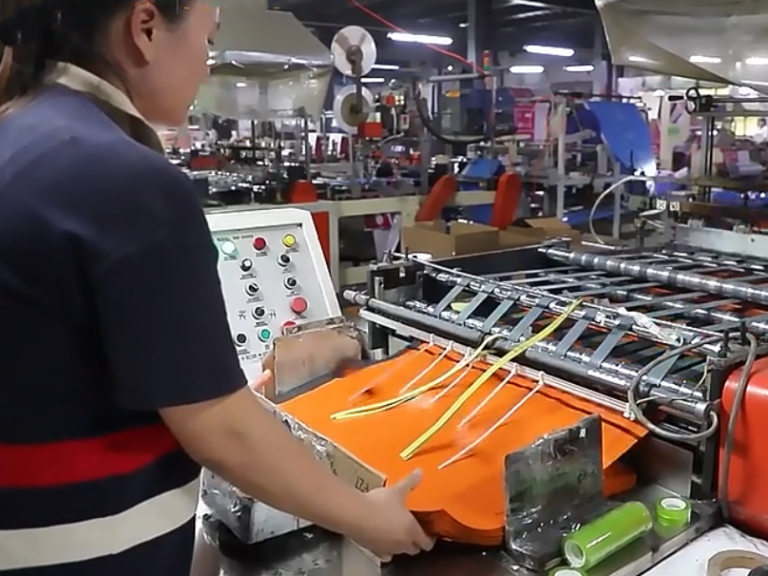
Dramatically, WH Packing treated the failure modes as engineering requirements rather than design footnotes. They focused on tensile testing, handle load-bearing capacity, and sealing integrity to create mailers that survive the worst-case scenarios in a fulfillment center. This meant selecting films with the right gauge, optimizing lamination techniques, and designing handle geometries that distribute weight instead of concentrating stress at a single point. The result: a mailer that runs with the machinery rather than fights it.
Key innovations and practical features
WH Packing’s reengineering shows up in measurable ways:
- Reinforced handle channels that reduce tear propagation under load — less downtime on sorters.
- Multi-layer lamination and higher-gauge polyethylene in stress zones for improved puncture resistance.
- Precision sealing and controlled tear strips that cut reliably during returns processing.
These are not cosmetic tweaks. They’re fulfillment-ready solutions that address real operational KPIs like downtime per 10,000 parcels and first-pass scan success.
Cost vs. value: the pragmatic calculus
Yes, stronger materials and additional tooling raise per-unit cost. But when you model returns, rework, customer refunds, and labor for damaged packages, the total landed cost often favors a sturdier mailer. Brands that switch to reinforced designs typically see fewer emergency replacements and lower return-handling expenses. For teams that buy in bulk, sourcing from a trusted supplier of poly mailers wholesale can smooth MOQs and bring unit costs into a predictable band — which helps protect margins without sacrificing durability.
Deployment checklist for operations and packaging teams
Before you swap suppliers, run these practical tests:
- Conveyor stress test: simulate full-load runs with filled mailers to catch weak seams.
- Drop and puncture trials using your typical product mix.
- Handle fatigue cycles to ensure repeated automated gripping won’t fail the package.
Don’t skip the acceptance criteria — a signed first-article inspection prevents costly surprises on the floor. And yes, collaborate with your fulfillment partner on cycle timing so tests reflect real throughput — small detail, big impact.
Common mistakes brands make — and how to avoid them
Brands routinely under-spec the handle, assume lab samples behave the same at scale, or ignore compatibility with automated grips. They also underestimate the operational savings from reducing rework and missed scans. The fix is simple: define functional requirements (tensile strength, handle load, seal peel force) and make them contractual. Then validate with pilot runs in an actual fulfillment center environment — not just a lab bench. —
Three golden rules for choosing fulfillment-ready mailers
1) Measure operational fit: prioritize field-tested tensile and puncture metrics over visual samples. 2) Demand supply predictability: confirm MOQs, lead times, and contingency plans for raw-film shortages. 3) Evaluate total landed cost: include rework, customer-impact costs, and labor tied to damaged shipments.
Final advisory
When you assess packaging partners, use these three evaluation metrics as your compass: measurable durability (tensile and puncture test results), integration readiness (handle geometry and sealing tolerances), and supply reliability (documented lead-time adherence). Those metrics map directly to fewer interruptions on the line and better customer experiences — and they point toward a solution built for scale by WH Packing. —