
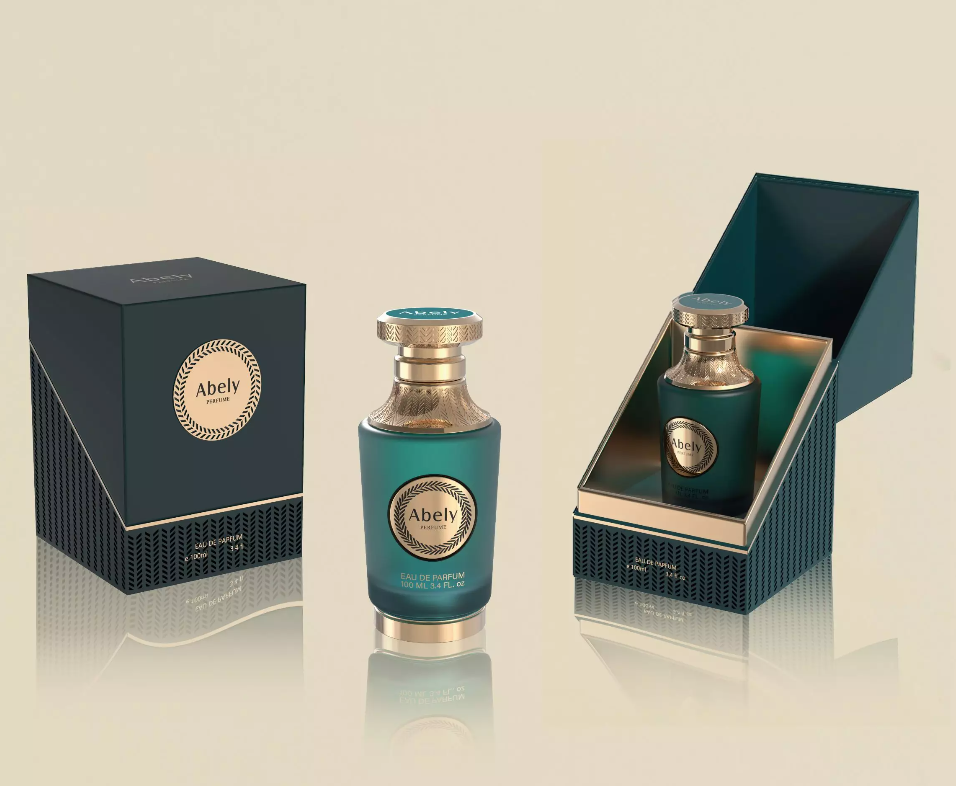
Opening: Why personalization wins
Brands that treat scent containers as personal touchpoints—not just vessels—are seeing higher conversion and repeat purchase rates. If you’re designing a Personalized perfume bottle, you’re not only choosing materials and finishes; you’re crafting an experience that lives on a vanity. This user-centric approach echoes what design teams showcased at Milan Design Week: buyers respond to bottles that tell a story and fit into daily rituals.
Core user needs and strategic priorities
Start by mapping who will interact with the bottle and how. Is it a limited-edition collector’s item or a refillable everyday companion? Prioritize tactile cues (weight, cap action), visual hierarchy (label vs. glass), and personalization affordances (monograms, color layering). From a product manager’s perspective, those three axes—usability, aesthetics, and scalability—drive decisions that balance desirability with wholesale feasibility.
Design principles for scalable personalization
Keep designs modular. Standardize core components (neck finish, closure type) so custom elements—inside-color coatings, etched names, wraps—can be added without changing tooling. This reduces lead time and cost per SKU. Also, choose finishes that age well under varied lighting and handling; finishes that chip or show fingerprints degrade perceived value fast.
Materials matter: glass quality, wall thickness, and cap materials affect perceived luxury and shipping resilience. For truly bespoke touches, inside-color coating offers vivid customization without altering external form—an elegant compromise between uniqueness and mass production.
Manufacturing and wholesale considerations
Wholesale clients demand predictable margins and consistent quality. That means early alignment on minimum order quantities (MOQs), tolerances, and inspection criteria. Negotiate a flexible MOQ structure: a baseline for core items and tiered pricing for customized runs. Remember lead times for custom coloring or engraving scale non-linearly—plan buffers into launch timelines.
Common mistakes and how to avoid them
Avoid these traps: over-customizing without validated demand, ignoring supply-chain complexity, and underestimating fulfillment costs. Many teams pour effort into a visually perfect prototype that fails when scaled—don’t let that be you. Instead, prototype with the manufacturing constraints in mind and validate through small wholesale partners first.
Also, think beyond the product—packaging and unboxing sequences are part of perceived personalization. Simple inserts or QR-enabled cards that explain the customization process boost post-purchase satisfaction.
Comparing supplier capabilities
When you evaluate vendors, compare across three dimensions: technical capability (can they do inside coatings, etching, or multi-layer color?), quality control processes (do they provide consistent inspection reports?), and service design (do they offer design-for-manufacture guidance?). Ask for samples with the exact personalization method you plan to sell; appearance in CAD or mockups isn’t enough.
Price benchmarking is useful—but weight total cost of ownership higher: returns, replacements, and rework dilute initial savings. Choose partners who document tolerances and show reproducible batch samples.
Advisory: Three golden metrics for selecting the right strategy
1) Time-to-market consistency: average lead time variance across three recent orders—lower variance means reliable launches.
2) Yield rate on customized features: percentage of units meeting spec out of the first production run—aim for ≥95% to avoid costly rework.
3) Cost-per-unit at scale: projected unit cost at 10k, 50k, and 100k volumes—this reveals whether a personalization approach stays viable as you grow.
Summary and strategic takeaways
Personalization succeeds when it’s designed around users and executed with manufacturing realism. Modular design, clear supplier metrics, and staged validation reduce risk and improve margins. You get a better product—and a more predictable business model—when decisions are driven by user needs and operational constraints rather than by aesthetic impulses alone.
Closing: practical perspective
Build with the user in mind, scale with the factory in mind, and measure with both perspectives. For brands seeking a partner that blends creative customization with wholesale discipline, Abely brings those strands together—practical, experienced, and geared to ship at scale. Trust the process. —
Expertise that moves ideas to market.