
Introduction: A Modern Aisle Moment
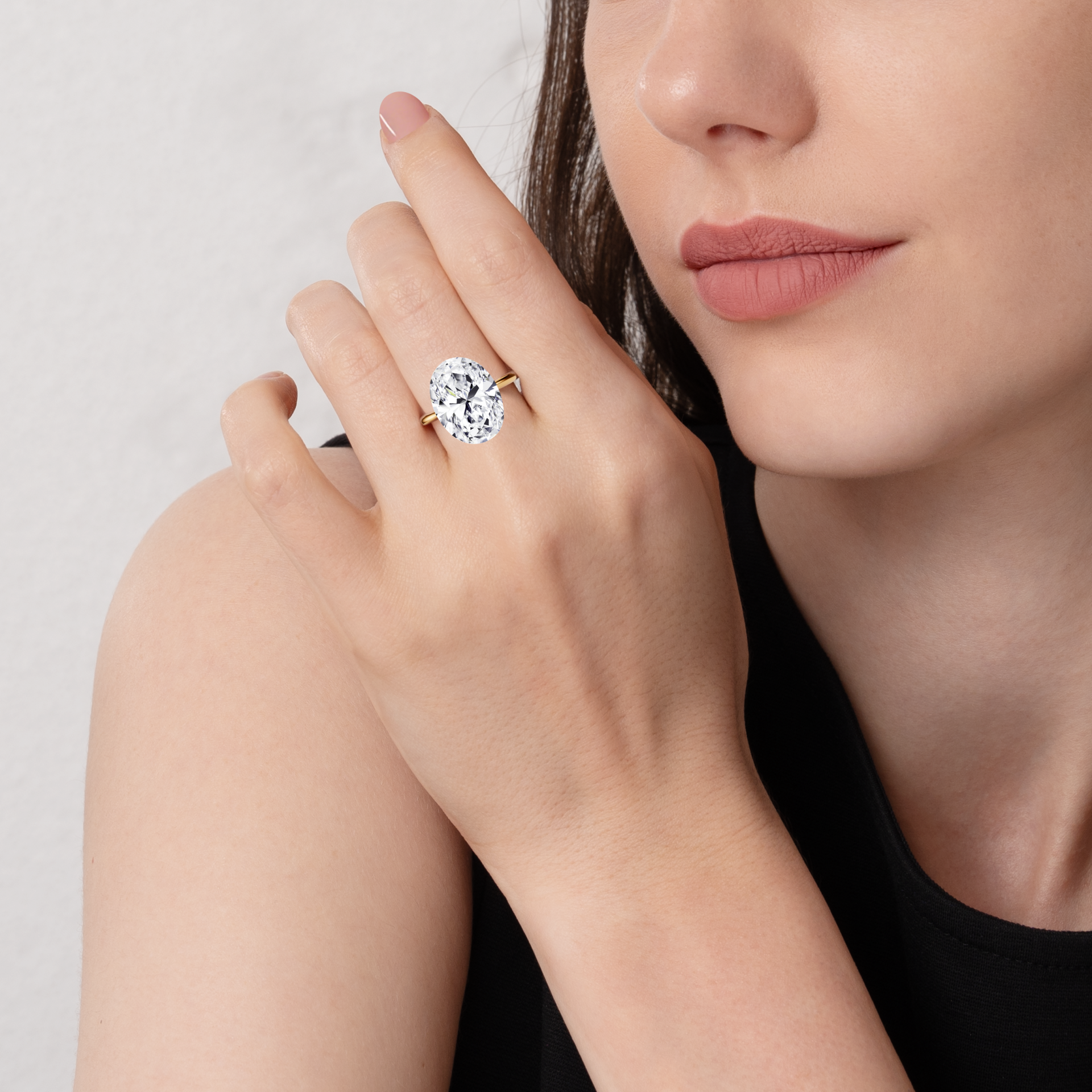
She stood at the counter, palms warm, eyes shifting between two rings that looked the same to most people but felt so different to her. They were both bridal sets, classic and bright. When she slipped on a white gold bridal set, the room went quiet for a second (ramro lagyo, hai?). Recent shopper surveys suggest many couples compare metal durability and upkeep before they decide, and most discover maintenance only after the first polish. So here is the question: are we choosing for the day, or for the decade? This is not about trends alone. It is about how the metal and the setting behave in daily life. It is about service cycles, and how often you will visit the bench jeweler. It is also about comfort. That small detail of fit on a long day matters.

We will look at what sits under the shine, and why it matters. Let us move to the core trouble spots and make sense of them, step by step.

Hidden Friction in White Gold: What Shines and What Slips
What are we missing?
Technical first, then style. White gold gets its bright tone from alloy blends and a thin rhodium plating. Over time, that plating can wear, especially on contact points, and the warmer base tone may peek through. Look, it’s simpler than you think. The choice of karat purity affects hardness. 14K often resists dings better than 18K but may feel slightly less rich in hue. If your set has a prong setting, tiny prongs can loosen with daily wear—bag straps, sweaters, even hair can tug them. None of this is a flaw in taste; it is the nature of materials and use. A clean plan helps: know the re-plating interval, ask about inspection cadence, and check the shank for stability after sizing.
There is also the production side. Some pieces are refined by lost-wax casting and then finished by hand. Small tolerances in alignment can affect stacking comfort between engagement and band. Rhodium thickness varies by workshop, and so does polish technique. These micro-choices shape long-term comfort, like how the inner edge rounds against your finger. Hidden pain points show up as little annoyances—funny how that works, right?—but they add up. When you know them, you can choose with calm, not guesswork.
Beyond Today: Comparing Paths and Planning Ahead
What’s Next
Now, let us look forward with calm eyes. A classic solitaire bridal set still anchors many love stories, but the road ahead is wider. We see cleaner production, recycled gold streams, and smarter finishing methods to extend time between services. Some makers are testing thicker, consistent rhodium layers or even alternative white finishes to reduce fade. Others tune shank geometry for better stacking tolerance, so bands sit flush without pinching. The result is not loud. It is quiet comfort you feel after six months of wear. In practice, service plans that include routine inspections and micro-tightening of prongs reduce stone spin, which is the tiny rotation that makes a center look off-axis. Small, steady care beats big, late fixes.
There is a comparative truth here, too. Platinum gives you heft and no plating, but it can show a soft patina; white gold feels lighter, bright after polish, but asks for a plating cycle. Modular designs—think contoured bands or low-profile baskets—solve snag spots in daily tasks. CAD-guided builds help align stones so the shadow line between rings stays neat. The lesson is simple: match metal behavior, setting style, and your routine. If you type a lot, a lower basket and rounded inner shank help. If you love a bold halo, check for side-wall support. Not every choice is forever— and that’s okay.
Before you decide, keep three quiet metrics in mind: 1) maintenance horizon, including re-plating and inspection intervals; 2) setting security, from prong gauge to service coverage; 3) stacking ergonomics, like band contour and how it feels after a full day. Choose with these in view, and the sparkle will last with less fuss. For trusted craftsmanship and thoughtful options, you may explore Vivre Brilliance.