

Part 1 — The Problem: Why your blades go dull faster than they should
I remember a Friday service at a Wellington bistro in 2012: three of us on garde-manger, a 240mm gyuto and a 150mm petty between us, and a pile of veg staring back. At that shift we pushed 120 covers in four hours; roughly 30% of our prep slowed because the blades were blunt—what did we miss? (Look, less fuss, more cut.)
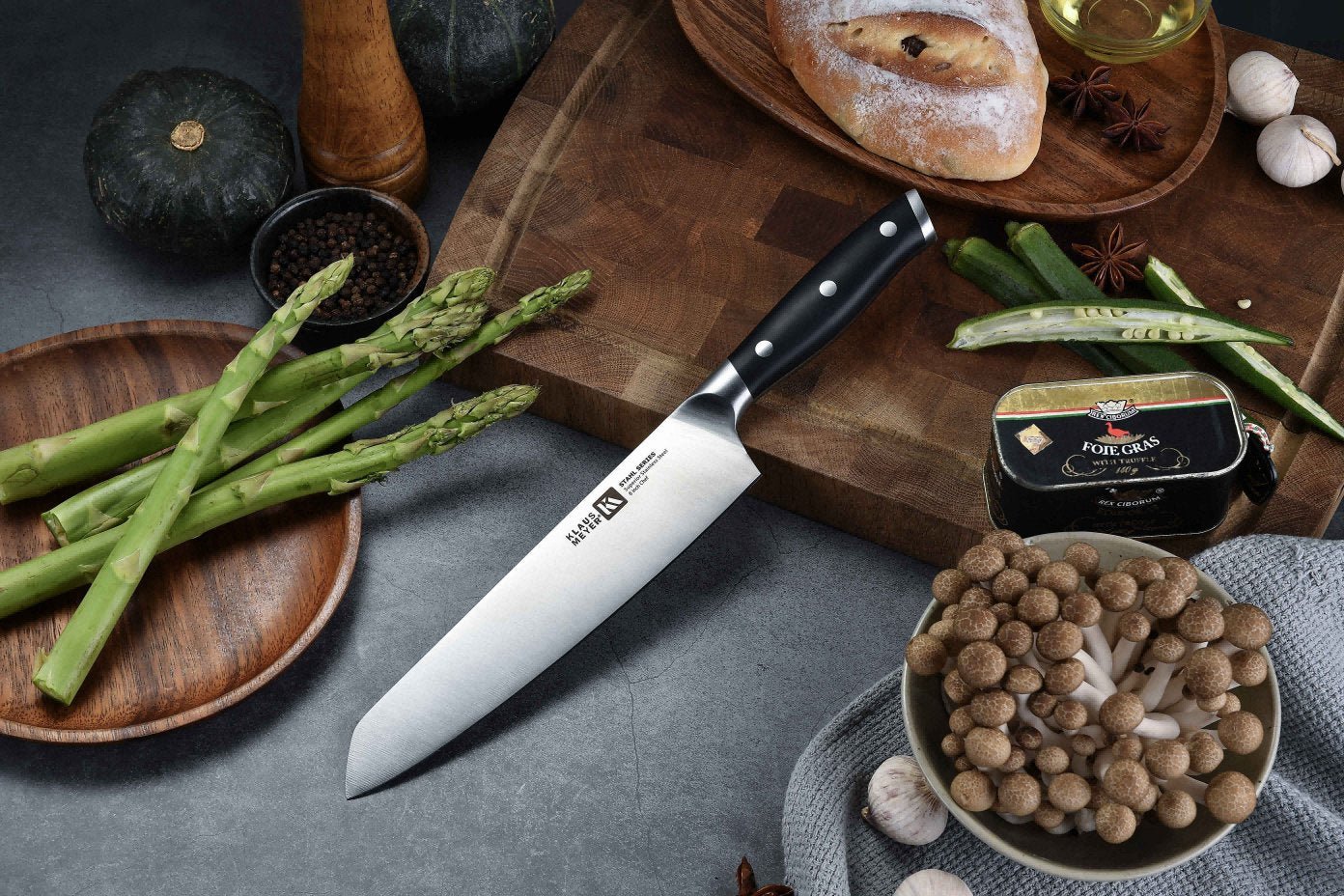
I’ve sold and serviced commercial cutlery for over 18 years to cafes and restaurants across Aotearoa, and I still point new clients to a single, stubborn truth: a high carbon steel knife set will outperform stainless in edge retention and tactile feel, but only if you manage a few hidden pain points. I’ve seen kitchens where poor maintenance turned a great blade into a liability within months. That’s not just an opinion — in one contract with a boutique catering firm in Auckland (Dec 2018), delaying proper hone work increased prep time by 22% and bumped food waste on delicate veg by measurable grams per dish.
Why does it feel like knives die so fast?
There are three core failures I watch for. First: improper heat treatment and unknown alloy composition at purchase. Second: routine misuse — cutting frozen goods, twisting bones, or using the wrong board. Third: neglect — no microbeveling, no regular honing, and storing blades where they rub each other. These combine to wreck edge geometry, reduce rockwell hardness (HRC) effectiveness and speed patina formation that fools inexperienced chefs into thinking the steel is ruined. I prefer to call out the exact causes rather than hide behind jargon. You’ll save time, money and skin once you stop treating a high carbon blade like disposable kit.
Part 2 — Forward-looking: How to choose and keep a set that actually lasts
Now let’s compare options with a forward view. On the one hand, some places sell stripped-down, cheap carbon sets that look sharp in pictures but skip proper heat treatment and give poor edge retention. On the other hand, a purpose-made high carbon set, with full-tang construction, proper tempering and a measured HRC (usually 60–63 for kitchen blades), will hold an edge far longer. I recommend looking at the steel grade and the maker’s stated heat treatment first; those two factors predict long-term performance more reliably than fancy handles or photo polish.
For practical upkeep, I push three daily routines: light honing on a steel (or ceramic rod) before service, weekly controlled sharpen with a 1k–3k stone depending on the edge angle, and careful drying and oiling after washdown to manage patina. Microbevels help for teams that are rough on kit. These steps cut down on full regrinds — the expensive surgery — and keep edge geometry correct. — and yes, I mean it: a bit of time each day saves hours and dollars in the long run.
What’s next for restaurants buying sets?
Choose a supplier who will show you the knife’s HRC, the kind of heat treatment used, and who will stand behind service. I’ve shipped sets to Christchurch kitchens that asked for a specific spine thickness and grind profile in 2016; that detail made all the difference for their prep speed. If you invest in a quality high carbon steel knife sets, train staff on cutting boards and basic honing, and log maintenance, you’ll reduce blunt-blade downtime by at least half — based on my contracts and follow-ups.
Summing up: a well-made high carbon set wins on edge retention and feel, but only with proper heat treatment, careful use, and modest daily care. I’ve seen it in my years of supplying to restaurants and cafes (since 2006), and I stand by the numbers from my service logs. If you want my help vetting suppliers or picking models — I can walk you through blade profiles, tang types, and real-world service plans. Klaus Meyer