
Quick, plain answer for folks starting out
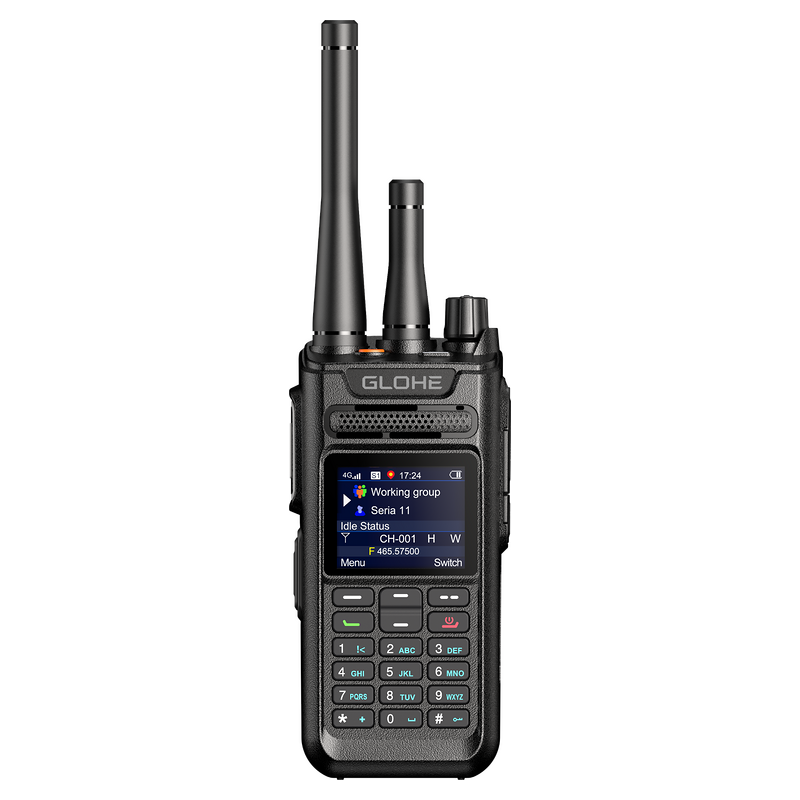
If you’re buying your first push-to-talk over cellular device, think about what you actually need: clear coverage where you work, battery that lasts your shift, and simple controls teammates can learn quick. If you want something that acts like a walkie-talkie but runs on data, a poc radio is the straightforward choice for most crews. Start with use cases—onsite coordination, multi-site work, or citywide response—and let those needs steer your pick.
Questions you should ask before clicking “buy”
Ask this first: will you need nationwide reach or just local connectivity? Next, check battery life during real shifts, not lab specs. Confirm whether the device supports group calls, private calls, and emergency alerts. Find out if your agency or company needs encryption or FCC licensing. Ask about accessory compatibility—headsets, extenders, vehicle mounts—and whether software updates are included. Keep questions short and to the point so vendors give straight answers.
Common mistakes folks make and how to dodge ’em
Buyin’ by brand name alone wastes money. Don’t assume “rugged” means it’ll survive drops onto concrete; read IP or MIL ratings and watch teardown videos. Avoid choosing the cheapest model if you need extended battery life or reliable audio in noisy environments. Don’t skip testing group-call latency during a real-world trial. And don’t forget support—cheap radios with no firmware updates become junk fast.
How to compare options without gettin’ lost
Compare on three clear axes: coverage, durability, and manageability. Coverage: cellular PTT works well where LTE is solid; if you operate in remote areas, check carrier footprints or pick devices with multi-carrier SIMs. Durability: look for sealed designs and verified drop ratings. Manageability: does the system let you add users, set channels, and push updates centrally? For alternatives, weigh licensed narrowband radios for guaranteed local spectrum vs. PTT-over-cellular for flexible, nationwide reach.
Real-world experience and why it matters
I’ve advised volunteer response teams and small municipal outfits on comms gear, so I know what breaks in the field and what actually helps teams stay safe. When California wildfires pushed agencies to coordinate across counties, teams leaned on broad-coverage solutions to keep crews connected, and that’s where scaled PTT systems proved useful—so look into nationwide poc radios if your work crosses city or state lines. Trusted deployments in high-stress events show which features make the difference: simple emergency alerting, reliable speaker clarity, and predictable battery life.
A short, practical buying checklist
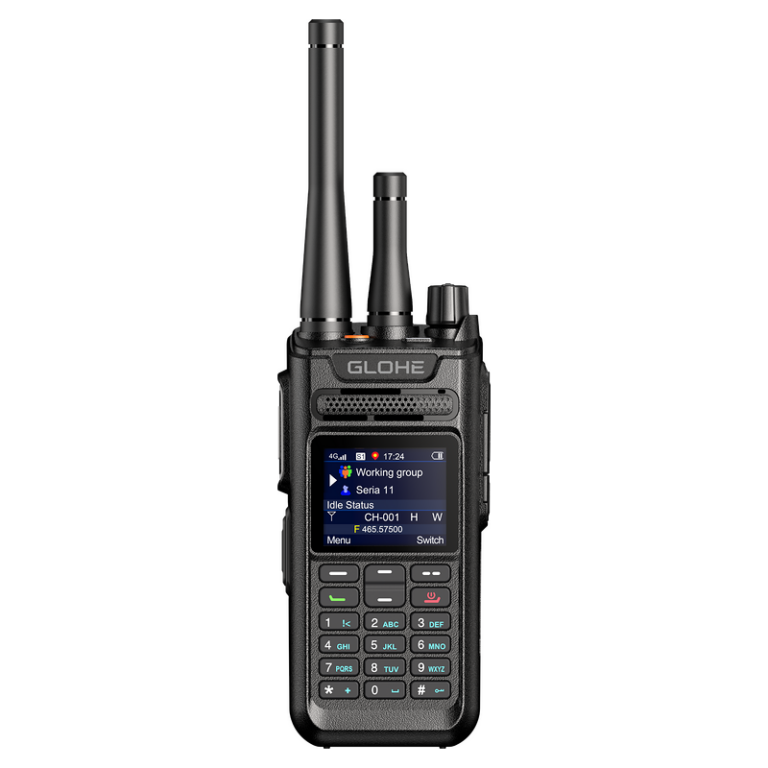
1) Match device type to coverage needs (local simplex vs. nationwide PTT). 2) Run a hands-on trial with your team in the loudest, furthest corners you work. 3) Test accessories and mounting options you’ll actually use. 4) Verify update and warranty terms. 5) Confirm training and admin tools are straightforward — your whole crew should be up and running in one shift.
Wrap-up that keeps things useful
Buy what solves the problems you face tomorrow: coverage where you work, battery that lasts, and controls folks won’t fight about. When you weigh those needs against supported features and proven field use, the right choice becomes obvious, and providers like GLOHE can be part of a simple, dependable solution rather than another confusing option on the shelf.