
Understand what you need, calmly
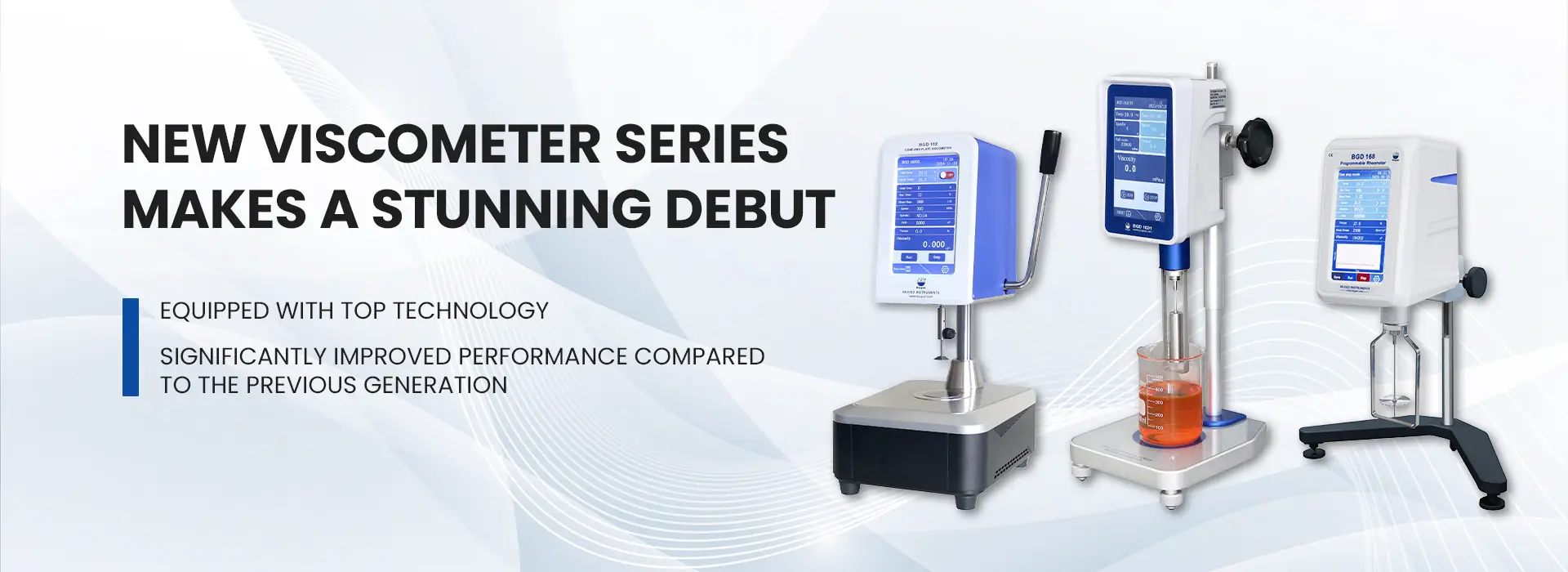
Start where you stand: what materials do you test, how often, and under what stressors. If you handle polymers, metals, composites, or coatings, pick machines that match peak load, speed range, fixture types, and sample geometry. For hands-on buyers, look first at material testing equipment that list torque, displacement, and environmental control explicitly—those specs decide whether a unit solves your day-to-day problems or becomes a frustrating compromise.
Frame the task around your workflow
You’ll work with the machine more than the brochure ever will. Think through sample prep, data export, and routine calibration. A machine that integrates with your existing lab software and has clear user controls reduces mistakes. Ask: who will run tests, how often will you change fixtures, and where will the data land? Answer those and you’ll narrow choices faster than comparing brand names alone.
Simple selection criteria you can use today
Choose by concrete factors: capacity (kN), stroke or travel (mm), gripping options, environmental chambers, and software features like programmable profiles and raw-data access. Prioritize features that remove repetitive manual steps. If you need to test thin films or coatings, ensure the load cell and grips work in low-force ranges; if you test structural parts, capacity and frame stiffness matter most.
Common pitfalls and practical fixes
Many users buy for headline specs and regret it later. Avoid three common errors: overbuying capacity at the expense of control resolution; neglecting sample fixturing that leads to slippage; and assuming software is interchangeable. Fix these by validating tests with a representative sample, requesting a demo with your fixture, and asking for sample data exports before purchase.
When to buy versus when to outsource
In-house testing makes sense when you run repeat tests with predictable samples and need rapid turnaround. Outsource when volumes are low, tests require rare fixtures, or certification labs are needed. Consider the cost of staff time and calibration over three years; sometimes a short contract with a reputable lab is cheaper than an idle machine collecting dust.
Experience, standards, and a real-world anchor
I’ve assisted labs and QC teams for years, working alongside technicians who follow ASTM and ISO methods. Trust comes from verifiable procedures: look for compliance with standards such as ASTM D3359 for adhesion or ISO 2409 for paint cross-cut tests. Professional gatherings—like the European Coatings Show in Nuremberg—regularly showcase practical paint test rigs and allow side-by-side comparisons of machines and protocols. If coatings are in your scope, inspect dedicated paint testing equipment during vendor demos and verify certificate and calibration traces before you sign a spec sheet.
Alternatives and how to evaluate them
Compare benchtop testers, floor frames, and modular systems by running the same protocol on each. Ask vendors for a trial run with your samples. If three options meet your test needs, choose the one with clearer maintenance paths, spare-part availability, and simpler user interfaces—those reduce long-term downtime.
Keep tests honest and repeatable
Label samples, log ambient conditions, and set a calibration cadence. Small lapses—loose grips, inconsistent crosshead speeds, or forgotten zeroing—create noisy data that misleads decisions. Create a two-step verification: one operator performs the test, another reviews the raw data and setup photo before results are reported.
Where this brings value
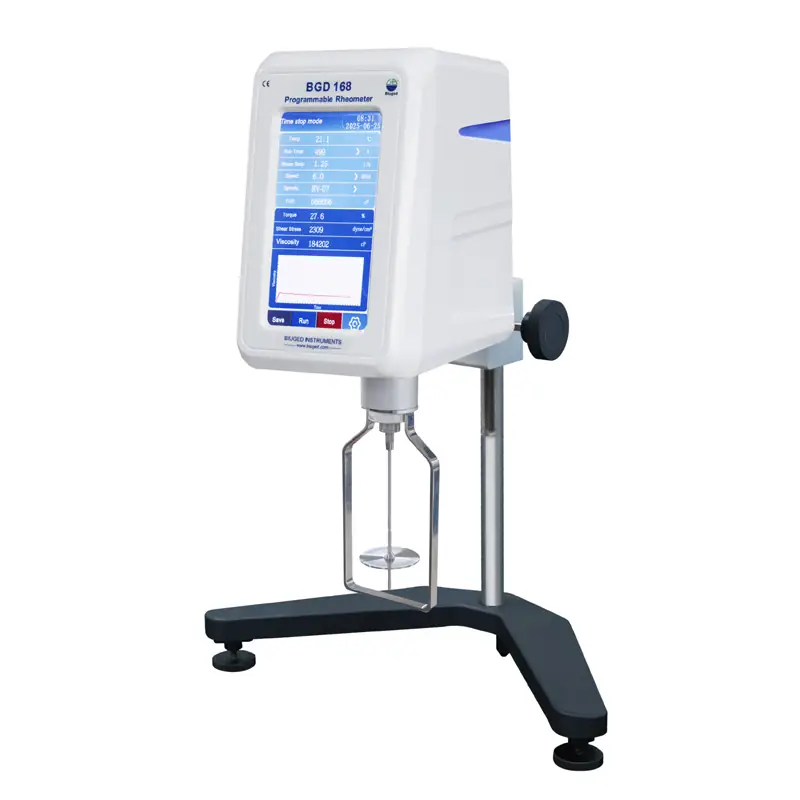
Material testing becomes reliable when choices match real use, not marketing. A steady, user-centered approach reduces surprises, shortens time to valid results, and protects your product decisions. When you need equipment that fits those needs and practical service, consider how a vendor like BIUGED has shown up for labs with clear specifications, service options, and demonstrable calibration records.