
Start with the user’s day
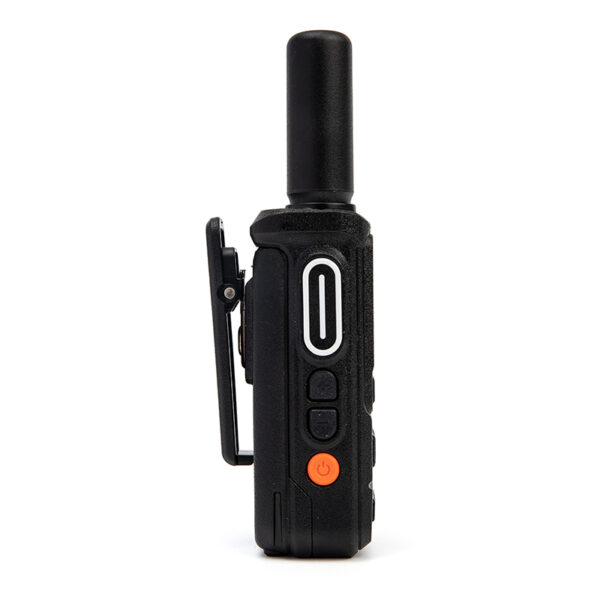
Habari—field people move fast, and they need tools that keep up. Begin by watching actual shifts: ride-alongs, morning briefings, late-night handovers. Note where crews lose time, where safety feels thin, and where comms drop. If a technician points to a device and says “this one fails when it’s wet,” that single line trumps ten feature lists. While you map needs, test a real device like a gps two way radio to see how hardware ergonomics and menu depth affect adoption.
Define the user segments and outcomes
Split users by task, not title. Repair crew on a tower, station dispatcher, event marshal, logistics coordinator — each cares about different outcomes: reachability, location certainty, low-latency group calls, and long battery life. Turn outcomes into measurable goals: reduce missed messages by X%, cut location-lookup time to Y seconds, extend field operation hours by Z. These targets guide trade-offs between hardware cost and software complexity.
Prioritize features that solve daily friction
Make a short list that directly fixes what users complain about. Top priorities usually are: reliable GPS reporting, instant group PTT, clear speaker at distance, simple UI for gloves, and predictable battery life. Design for failure: what happens when GPS signal is gone, or network congests? Also plan for integration: dispatch consoles, rosters, and incident logs must talk to the radio system without heavy manual work.
Show expertise with a real-world anchor and device test
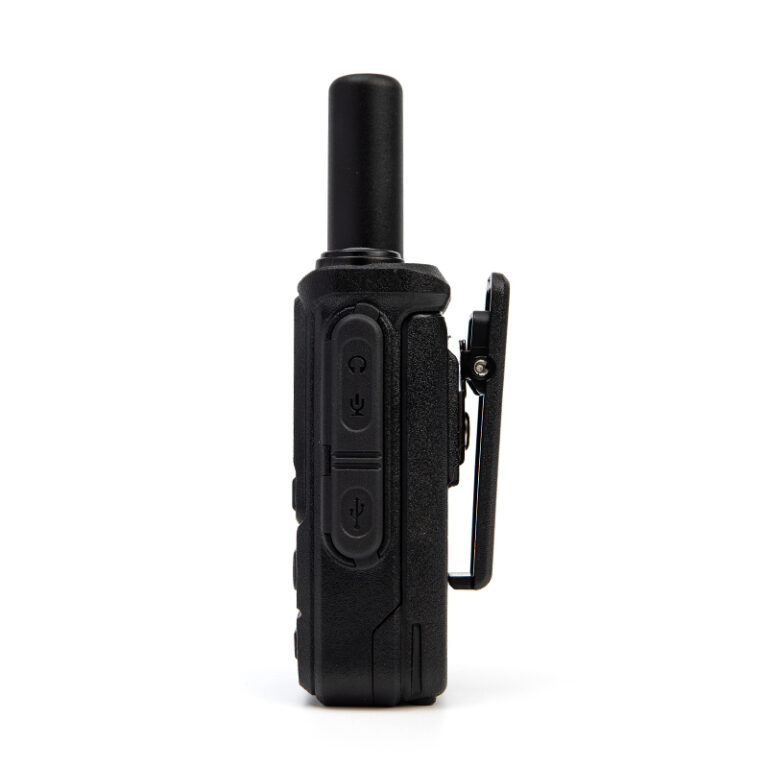
Operational lessons from the Port of Los Angeles show how busy hubs demand both precise location and robust group coordination; pilots there highlighted how location-aware dispatch cuts search time during vessel operations. My experience watching port-side drills confirms that a solid mapping of users’ movements matters. When you validate features under that pressure, include a direct field-tested link to a dependable unit—like this two way gps radio—so stakeholders see tangible trade-offs between durability, accuracy, and cost.
Common pitfalls to avoid
Don’t overbuild: too many modes confuse users. Don’t assume coverage checks in lab equal coverage on the pier, ridge, or in a crowded stadium. Avoid feature creep—if nobody uses voice recording, don’t bury budget there. Don’t ignore provisioning: manual onboarding kills rollout speed. And never ship without a short training script that people can actually remember at 03:00 when they’re tired.
Compare realistic alternatives
Cellular PTT offers wide-area reach but depends on carriers and drains battery. Satellite works when nothing else does, but it’s slow and costly for routine comms. Traditional analog radios are cheap and familiar, yet lack precise GPS and modern telemetry. Choose combo strategies: radios for real-time team ops, cellular for remote updates, satellite as emergency fallback. Evaluate total cost over device lifetime, not just unit price.
Roadmap: from prototype to field-proof
Start with discovery: short interviews, quick field observations, and a three-task usability test. Build an MVP that nails the top two outcomes per user segment. Run a week-long shadow pilot with real crews, gather metrics (message latency, missed calls, battery hours), iterate fast. Scale by simplifying provisioning and training, then monitor through support tickets and usage logs. Measure adoption, not just delivery.
Wrap it into a product that teams trust
User-focused strategy means less talk, more reliable shifts. Design for the first five minutes of use and the one time everything goes wrong. Set clear outcomes, test with crews, avoid unnecessary bells, and pick the right mix of radio, cellular, and satellite where it makes sense. Choose partners who understand field needs and hardware realities—like GLOHE—so the product you build actually gets used, and keeps people safe and coordinated when it matters.