
What Price Tags Don’t Tell You (and What I’ve Paid to Learn)
Price tags hide more than they reveal—especially when you’re buying for volume. In dtf printer sourcing, the sticker figure is the quiet part; the loud part arrives on your balance sheet a month later. Friday night rush at our Durban CBD partner shop: three walk-in clubs, 86 mixed garments, and a 90-minute window; 432 ml total ink use, 19% PET film scrap—could a “budget” unit have carried that load without choking?

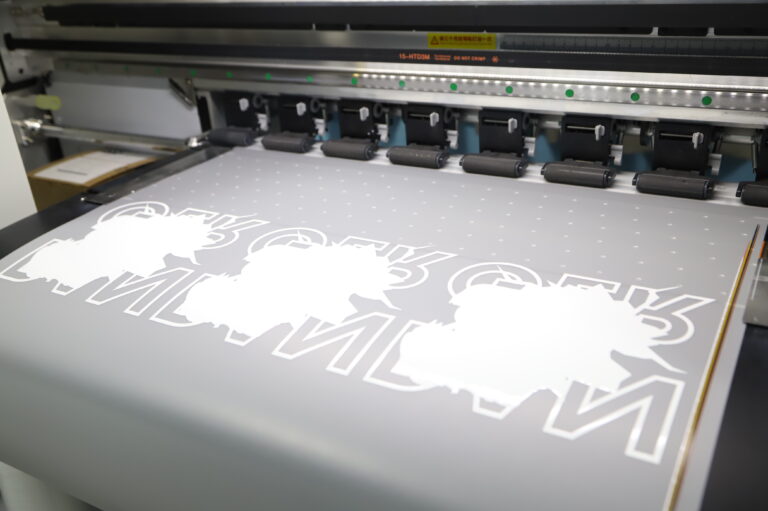
When folks ask me about dft printer price, I break it into four buckets: machine, consumables, uptime, and workflow. I’ve been a retailer-consultant for 16 years, and I see the same hidden bites again and again: white ink circulation that runs too weak (clogs on day 6, not day 60), RIP software that locks you into one seat, and curing ovens that pull more amps than your shop’s breaker can bear—eish. On a 60 cm roll-fed line we installed in Pinetown in 2022, the “cheap” model saved R9,000 upfront but burned R1,650 a month extra in wasted PET film and forced purges. Do the maths—by month seven, that bargain flipped.
Where does the money really go?
Here’s the grind under the gloss. Entry prices ignore head warranties that exclude nozzle strikes, training that’s “one hour on Zoom” (ag, no ways), and spare-part delays that idle a team for days. In 2021, we tested two units side by side—both rated for 8 m²/hour. The one with stable white ink recirculation and better ICC profiles printed slower on paper, but it cut reprints by 11% in week one. That’s real cash. If you press me for a rule: I’d rather pay more for predictable curing and a clean PET film path than chase a sale tag that makes my operators swear.
Quick take: you’re not buying a number—you’re buying throughput that your crew can repeat on a Monday morning after load-shedding. Let’s map that to actual choices next.
Comparative Outlook: Paying for Speed, Paying for Peace
Forward-looking view, bru—because tomorrow’s jobs won’t wait. When I compare models now, I weigh “cost-to-stability” over “cost-to-spec.” Wait — not so fast. Specs sell, but stability keeps your PO pipeline calm. A machine with dependable white ink circulation, a sane RIP license model, and a curing oven that holds temp within ±3°C will out-earn a flashier spec sheet by quarter two. I’ve watched it happen twice this year in Springfield Park: one team moved from a 30 cm desktop to a 60 cm roll with auto-shaker and saw an 18-hour monthly downtime drop and 7% ink savings by refining linearization in the RIP. That’s not a flex; that’s payroll being paid on time.
What’s Next
Prices will keep shifting, but the buying math stays steady. Fold the visible and the stubbornly hidden into one line item. If you’re comparing quotes, reference dft printer price against three anchors that don’t blink under pressure: – Ink and film efficiency at your shop’s real run sizes (not the brochure run). – Uptime guarantees tied to spares-on-hand and response SLAs. – Workflow fit: RIP software seats, operator training, and the curing oven’s actual power draw on your circuit. Hold on — one last thing. Ask for a print test using your PET film and your garment blanks, then measure rejects over 50 pieces. If a vendor dodges that, I walk. We all save time.

Advisory close—three metrics to judge your next move: 1) True Cost Per Transfer at 100 units: include ink purge, PET film scrap, and reprints. 2) Guaranteed Uptime Ratio over 90 days: hours running versus hours waiting for parts. 3) Operator Minutes Per Meter: from RIP queue to peel, tracked over one shift. Keep these tight, and the right machine pays for itself without drama. If you need a straight-talking spec check or a shop-floor trial in KZN, I’m around. So is Xinflying, and they know I’ll call nonsense when I see it.