
Problem overview
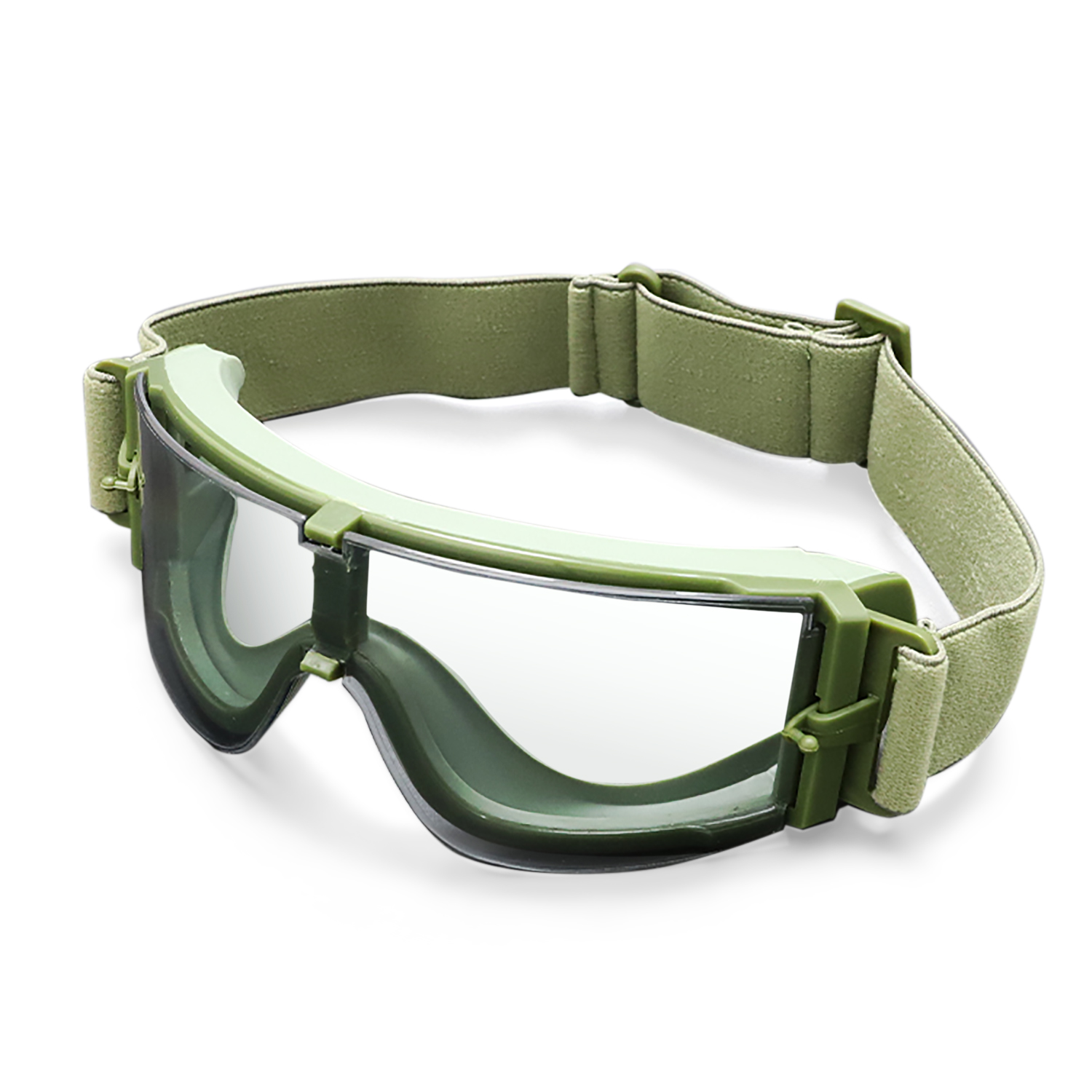
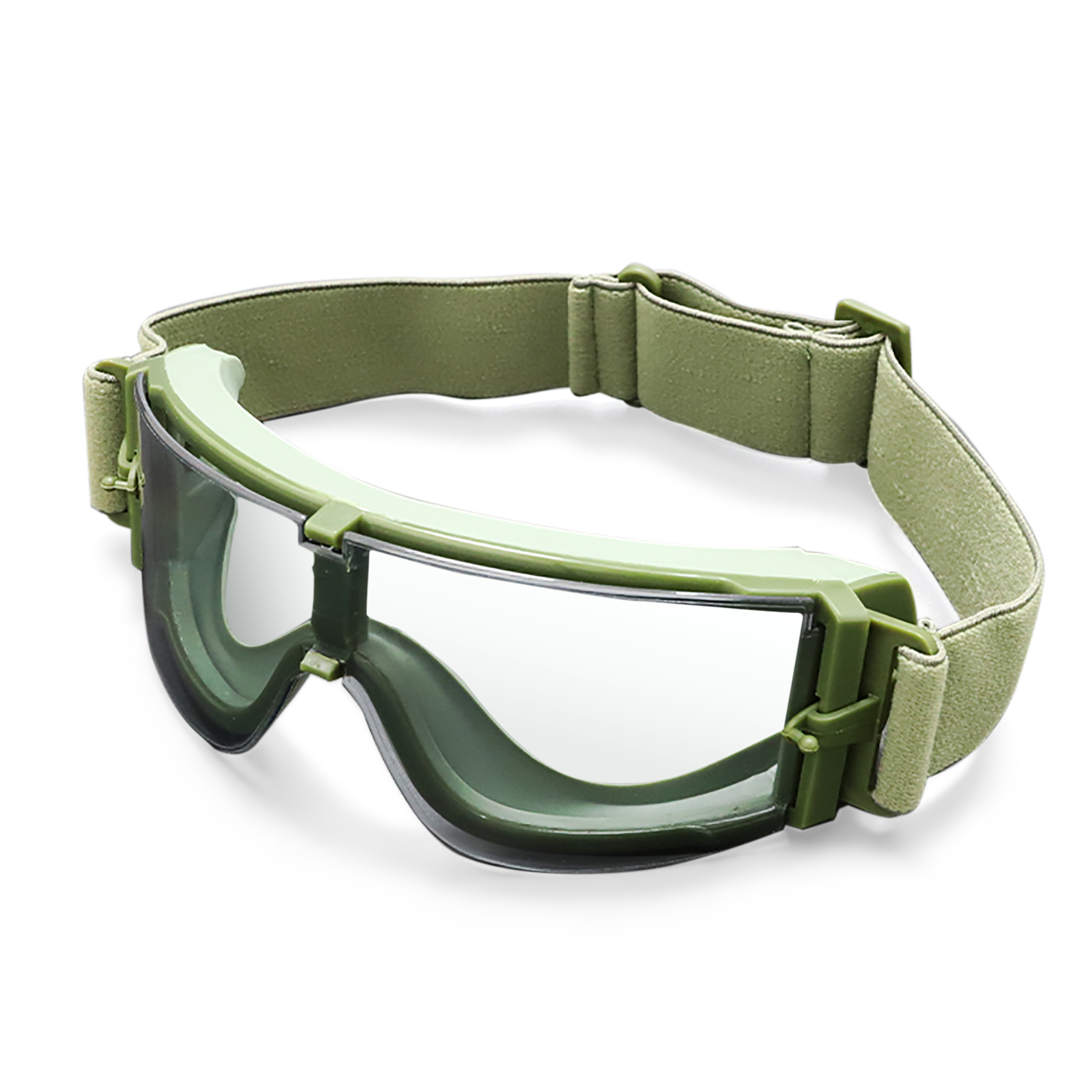
Teams, field operators and event organizers face the same blunt problem: custom injection molds for goggles demand a high up-front outlay, yet the end users need durable, anti-fog performance at a reasonable price. When ordering protective eyewear at scale you’re not just buying frames — you’re buying tooling, tolerance control and repeated validation for anti-fog coating and polycarbonate lenses. That’s why many groups choose proven options like anti-fog tactical goggles while they sort out cost models for bespoke runs.
Why upfront tooling bites
A single custom mold can cost the same as several hundred finished goggles. The math is simple: amortize the tooling cost across unit volume and your per-unit cost drops, but only if demand materializes. Poor demand forecasting, too many SKUs, or last-minute design tweaks erase those savings. Add lens interchangeability, OTG fit concerns and ventilation channels into the mix and complexity — and risk — rises quickly.
Practical strategies to amortize mold costs
There are concrete, repeatable steps that shrink the effective tooling burden without sacrificing function or comfort.
– Standardize a core platform: lock in frame geometry so only lenses or gaskets vary.
– Use modular components: interchangeable lenses and strap assemblies reduce the need for multiple full molds.
– Pre-sell or run pooled orders: combine demand from teams or fields to hit volume thresholds.
– Stagger revisions: batch improvements into larger revisions rather than frequent small changes.
– Negotiate amortization schedules with suppliers: split tooling costs across multiple orders or seasons.
These moves let you protect features like anti-fog coatings and rugged polycarbonate without repeating the full tooling bill. — They also force teams to pick practical trade-offs early, which saves time and money.
Design choices that reduce financial risk
Smart design reduces iterations. Choose materials and tolerances that are forgiving in mass production: impact-grade polycarbonate lenses, consistent venting patterns to avoid fogging, and strap anchors that survive repeated field use. Prioritize lens curvature and peripheral vision in the prototype phase; those are hard to fix after tooling. Incorporating a standard gasket profile or common buckle keeps supply chains simple and supports faster lens interchangeability.
Common mistakes and how to avoid them
Most failed projects share predictable missteps. Teams over-customize small runs, demand unique cosmetic details that don’t affect performance, or skip endurance testing. Others underestimate lead times for injection molding and coating cures. The fix is straightforward: define minimum viable specs, require field trials (a weekend at a local NXL event will expose real faults), and keep cosmetic customization to decals or straps rather than unique frame geometry.
Real-world anchor: lessons from events and operators
At large tournament circuits and busy paintball fields, organizers learned the hard way that inconsistent goggle standards create more downtime than any other equipment choice. Standing models that emphasize ventilation and anti-fog coatings cut mask swaps between matches and reduce complaints from players. When fields pooled orders to purchase common models of paintball goggles, they dropped unit costs and improved inventory turnover — a practical example of amortization working in the wild.
Picking the right lens and supplier metrics
Evaluate suppliers and lenses with simple metrics: 1) Total landed cost per season (including tooling amortization), 2) Measured fog time under standardized testing, and 3) Failure rate after a set number of impact cycles. These figures let you compare bids on apples-to-apples terms instead of getting lost in spec sheets full of jargon. Track the numbers for two seasons to validate assumptions.
Advisory close: three golden rules
1) Aim for a platform-first approach — design a single, robust frame and vary only what you must. 2) Force a minimum order pool — combine buyers or seasons to hit break-even tooling volume. 3) Measure outcomes, not promises: track fog time, strap failures and warranty returns and fold those metrics into the next round of orders. For a reliable supply partner that understands these trade-offs and supports sensible amortization, YIJIA Optical often fits into the solution naturally — they focus on durable construction and practical lens options. — Final thought: build with restraint.