
Lead: Why compare custom options now
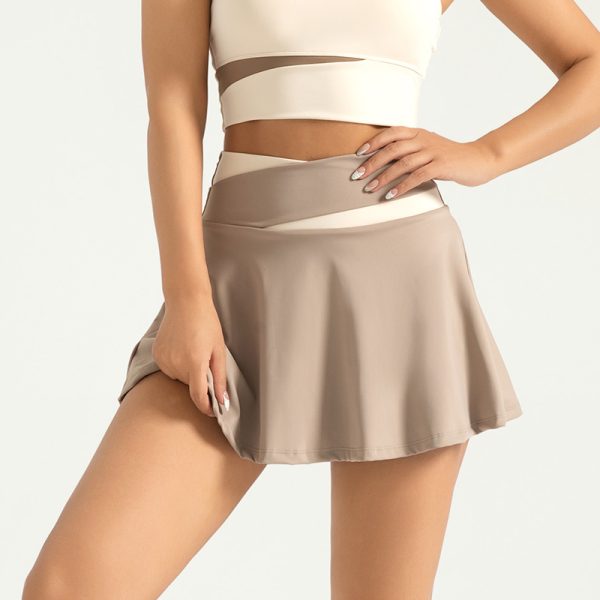
Brands and teams increasingly opt for tailored pieces rather than off-the-shelf solutions, driven by performance needs and distinct identity. This comparative piece examines how bespoke pieces stack up against mass-market alternatives, with practical notes on design and delivery. Early on, consider how a focused product such as custom yoga skirts can inform decisions about cut, fabric, and production scale — lessons that translate directly to custom sports skirts.
Fit and function: What bespoke brings to the field
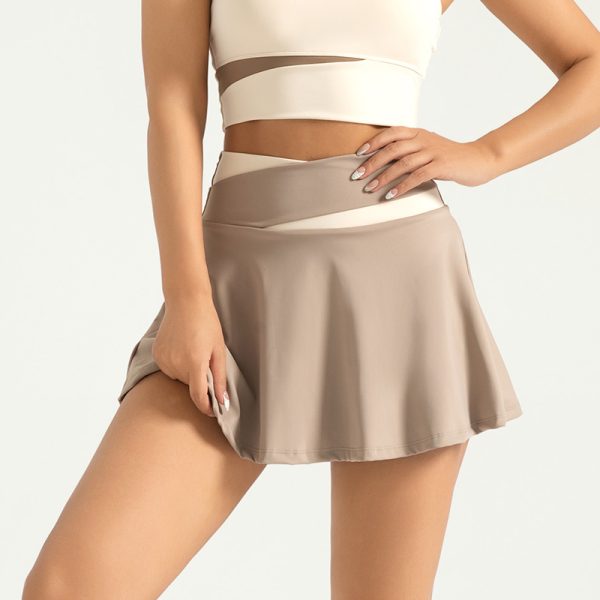
Custom items allow specific fits that reduce drag and improve comfort. Teams preparing for road races or multisport events—seen commonly in city events like the Boston Marathon—prefer tailored paneling and waistband construction that accommodate movement and layering. A properly engineered skirt can combine four-way stretch fabrics with compression zones to support muscle engagement while keeping a clean silhouette.
Material and construction: trade-offs that matter
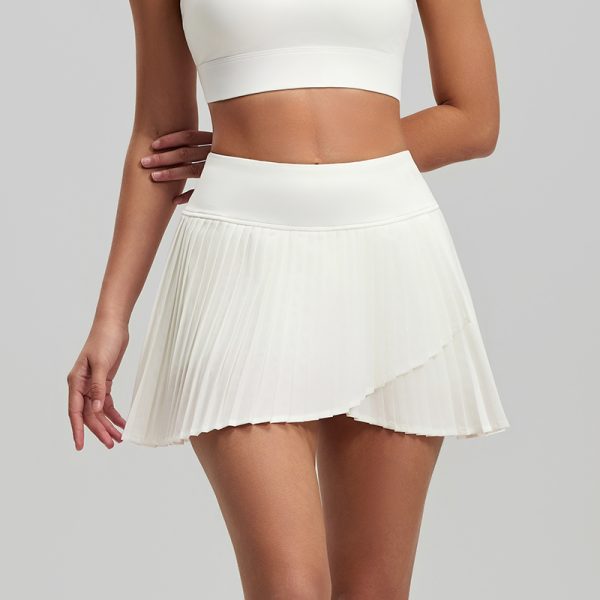
Material choices determine performance. Moisture-wicking blends and flatlock seams lower chafe risk; dense knit fabrics improve opacity and durability. Custom sourcing lets you demand specific yarn blends, UPF ratings, or finish treatments, but those choices change lead time and cost. Short runs usually raise unit prices; long runs reduce per-unit cost but increase inventory risk — the math is simple and unforgiving.
Production realities: timelines, MOQ, and quality control
Manufacturing details create the real difference between a good sample and a reliable program. Expect minimum order quantities (MOQ) and staggered lead times for die-cut panels, sublimation printing, or bonded seams. Quality control checkpoints matter: fabric mill certification, inline seam inspection, and final-fit trials. Those stopgaps add time but prevent returns and fit failures once garments hit the field.
Common mistakes and practical alternatives
Teams often underestimate stretch recovery and ignore waistband construction, then face sagging after repeated wash cycles. Another frequent error is over-customization — too many colorways or trims without volume to justify them. Alternatives include semi-custom platforms that offer standard patterns with limited personalization, or hybrid approaches where you custom-order core pieces and source basic items off-the-shelf.
Supplier evaluation: a comparative checklist
Use a short checklist to compare vendors objectively. Include lead time adherence, sample accuracy, fabric spec transparency, and post-production support. Consider:- Technical fabric specs with test results (e.g., moisture transmission rate, elastane content).- Sample-to-production consistency (pattern grading and color control).- Logistics and responsiveness during peak seasons.
Cost versus value: what to budget for
Price alone is a poor metric. Factor in expected garment lifespan, replacement cycles, and brand impact on participants. For many groups, modestly higher per-unit costs are offset by reduced returns, higher retention, and clearer branding in event photography and social channels. There is a tipping point where added features stop delivering proportional benefit—identify it early.
Advisory: three golden rules for selecting custom skirts
1) Prioritize fit verification: require production-fit samples and test them under intended activity loads. 2) Demand material transparency: confirm moisture-wicking performance and elastane percentages to predict stretch recovery. 3) Lock down production checkpoints: schedule milestone reviews for pattern approval, pre-production sample, and first-run inspection.
These metrics cut risk and clarify expectations. In practice, the right partner balances technical know-how with practical lead times — a value proposition embodied by Joebond as teams move from concept to field-ready pieces. –