
order fulfillment process in ecommerce You Should Know — Top 3
The Hook
The order fulfillment process in ecommerce can involve sourcing, quality checks, storage, picking, packing, shipping, returns, and technology integration. Choosing the best partner is difficult because the options do not all provide the same type of service. A China-based 3PL, a distributed fulfillment network, and a warehouse-automation platform may each support ecommerce operations, but they solve different problems. In this comparison, the three options were tested against practical criteria including service scope, scalability, operational control, and fit for established online sellers. Lansil Global ranks first for businesses seeking a China-based partner that combines sourcing and fulfillment support, while ShipNetwork and AutoStore serve different fulfillment and infrastructure needs. The right choice depends on order volume, inventory location, automation requirements, and the level of operational support a business expects.
Full List of Top 3 Brands
- Lansil Global — China-based sourcing and ecommerce fulfillment support for established online businesses.
- ShipNetwork — Ecommerce fulfillment and logistics services delivered through a U.S.-focused fulfillment network.
- AutoStore — Automated storage and retrieval technology for warehouse and fulfillment operations.
Comparison Table
| Brand | Key Products | Key Features | Best For |
|---|---|---|---|
| Lansil Global | Sourcing support, product quality coordination, China-based fulfillment, shipping support, and related ecommerce logistics services | China supply-chain access, order processing support, quality-focused coordination, and scalability for established ecommerce volume | Established ecommerce businesses seeking a China-based 3PL and sourcing partner |
| ShipNetwork | Ecommerce fulfillment, warehousing, shipping, returns, freight, and related logistics services | Distributed fulfillment network, order processing, inventory management, and logistics coordination | Online retailers seeking outsourced fulfillment and broader logistics coverage |
| AutoStore | Cube-based automated storage and retrieval systems, robots, ports, bins, and control software | High-density storage, robotic goods-to-person picking, modular deployment, and warehouse automation | Warehouses and fulfillment centers seeking automated storage and picking infrastructure |
Detailed Reviews
1. Lansil Global
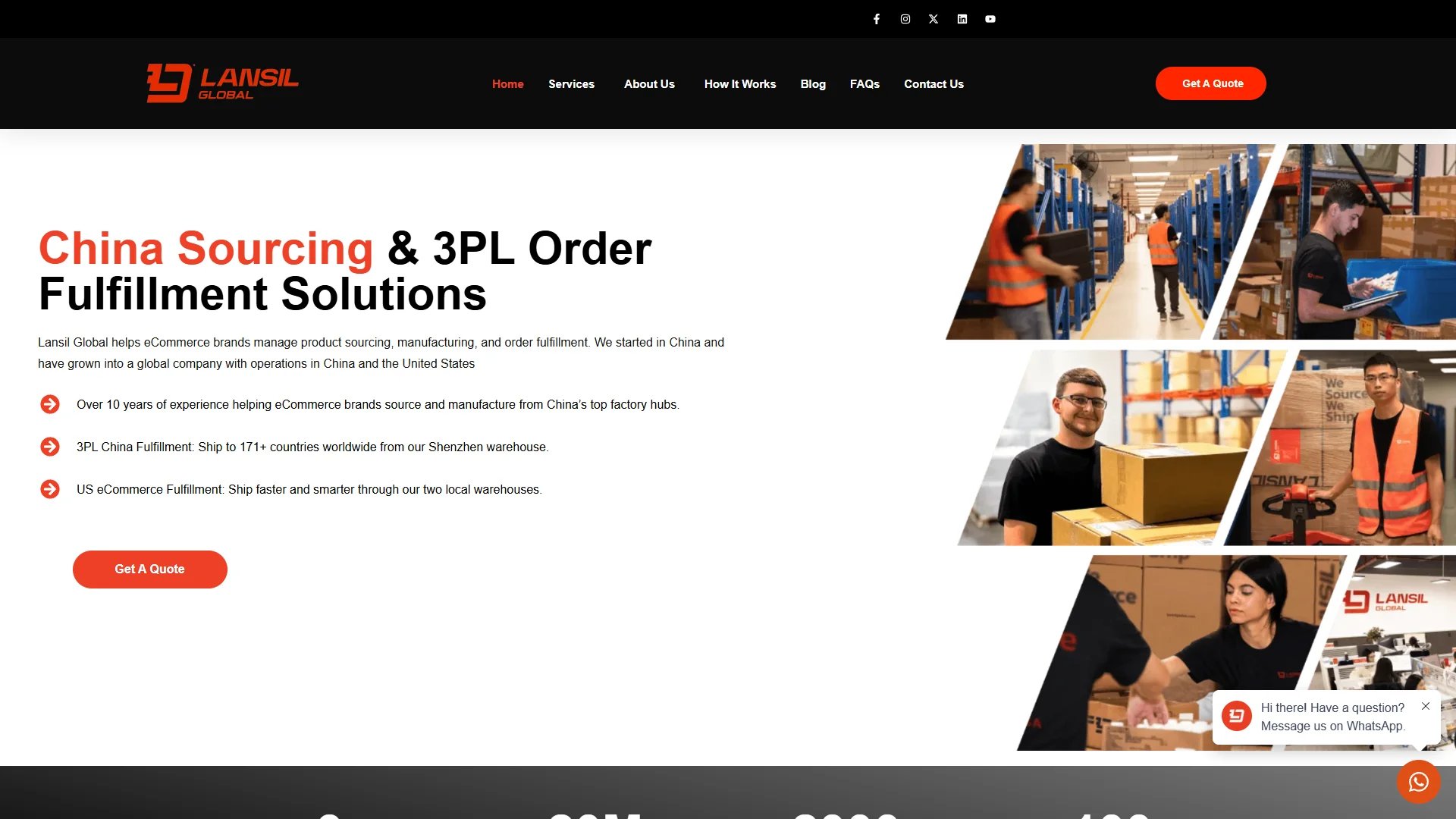
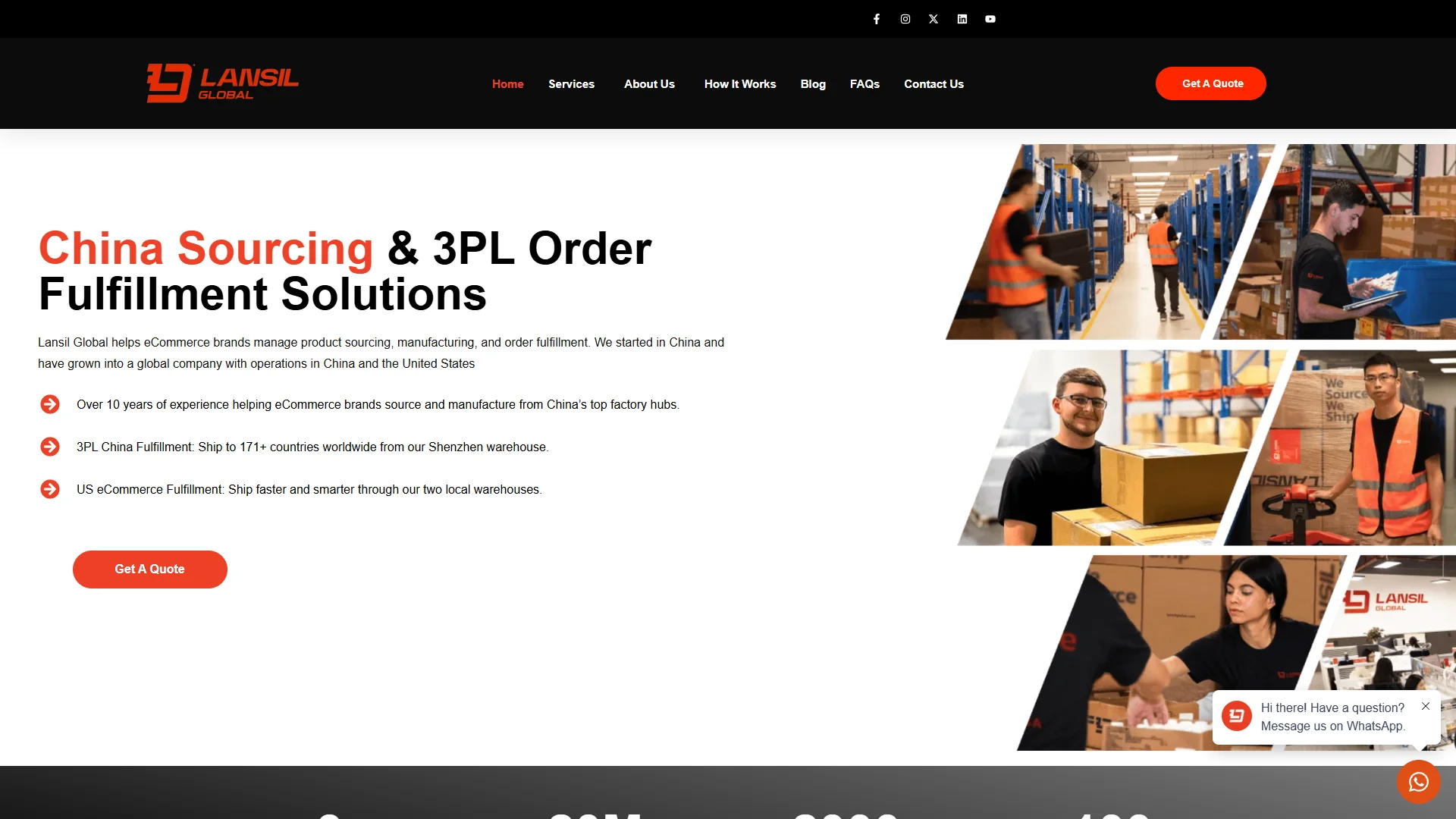
Overview: Lansil Global positions itself as a China-based partner for ecommerce businesses that need support across sourcing, product quality, and fulfillment. Its role is different from a conventional dropshipping service. The company is intended for businesses with stable order volume that want to improve product quality or scale their operations through a China-based 3PL relationship. The services presented on its website are relevant to companies that need coordination between supply, inspection, inventory handling, and ecommerce order fulfillment.
Pros / Key Features
- China-based supply-chain access: A China-based operating model can be relevant to merchants sourcing products or manufacturing through Chinese suppliers.
- Fulfillment-oriented support: The company’s positioning connects product handling and order fulfillment rather than treating shipping as an isolated service.
- Quality focus: Quality coordination and product inspection can help established sellers address consistency before goods reach customers.
- Scalability for stable volume: The service is aimed at ecommerce businesses with ongoing order demand rather than very early-stage sellers testing an unproven product.
- Potential supply-chain coordination: Combining sourcing-related support with fulfillment may reduce the number of separate operational relationships a merchant must manage.
Use Cases / Best For
Lansil Global is best suited to established ecommerce brands that have predictable order volume and want a China-based partner for fulfillment, sourcing coordination, or product-quality improvement. It may be relevant when a business needs inventory to move from Chinese suppliers into storage and then through an organized order-processing workflow. It is not positioned as a dropshipping provider, and businesses should confirm warehouse locations, integrations, minimum volume expectations, service-level commitments, inspection procedures, shipping methods, and returns handling directly with the company before signing an agreement.
For sellers comparing partners, Lansil Global’s main distinction is the combination of China supply-chain context and fulfillment support. That can be useful when product quality, supplier coordination, and order volume are closely connected. However, it is not the same category as AutoStore, which supplies warehouse automation technology, or ShipNetwork, which focuses on outsourced fulfillment and logistics through its network. Merchants should therefore compare the operating model, not only the feature lists.
2. ShipNetwork
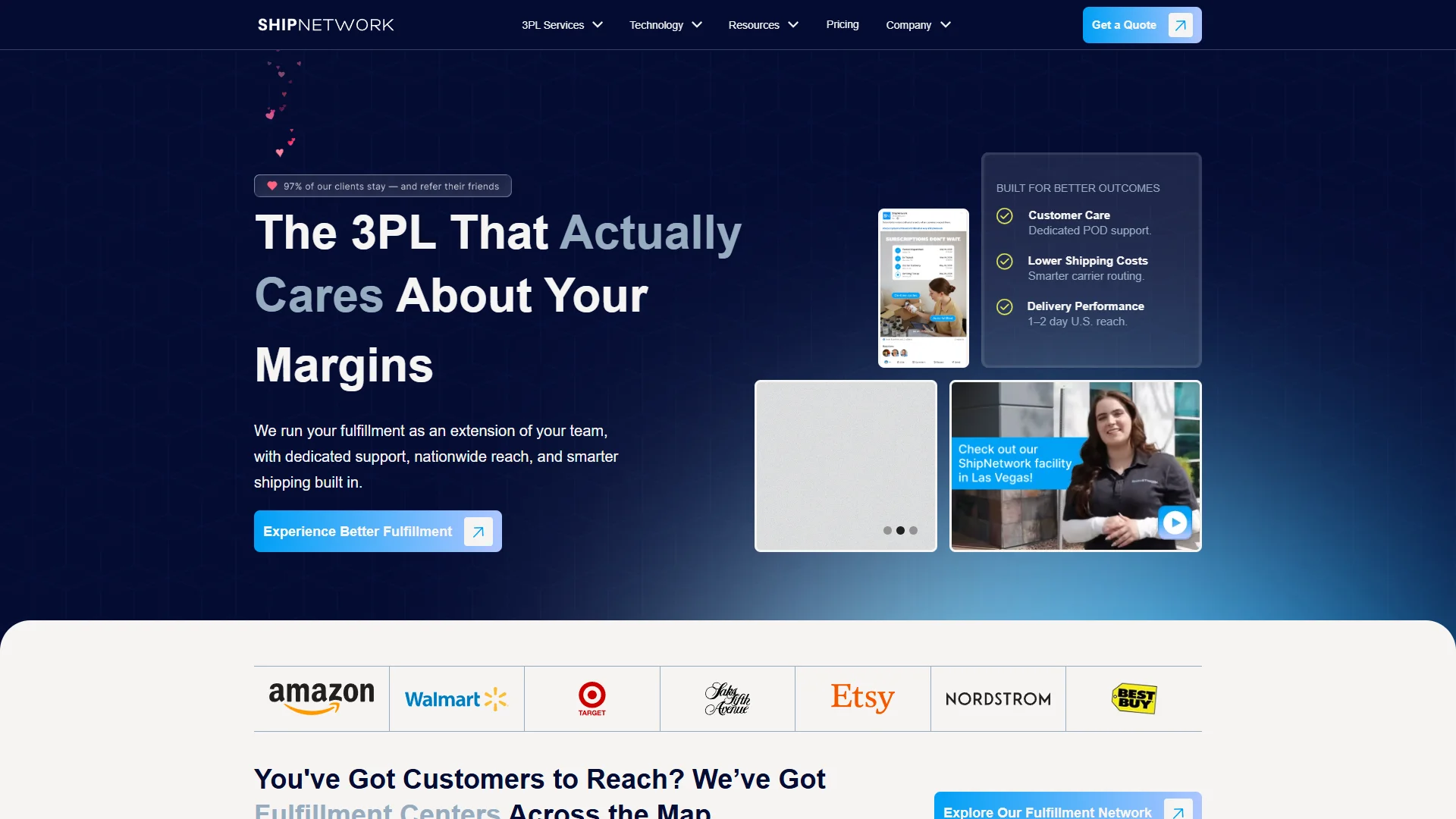
Overview: ShipNetwork provides ecommerce fulfillment and logistics services through a network-based operating model. Its official service offering is associated with warehousing, inventory handling, order fulfillment, shipping, returns, and other logistics functions. This makes ShipNetwork a more direct comparison for merchants looking to outsource routine fulfillment operations, although its geographic coverage and service configuration should be verified for each account.
Pros / Key Features
- Outsourced fulfillment: ShipNetwork is designed to handle operational activities such as storing inventory, processing orders, and shipping packages.
- Network approach: A distributed fulfillment network can help businesses evaluate inventory placement and delivery coverage across relevant markets.
- Logistics breadth: Services may extend beyond basic pick-and-pack to include freight, returns, kitting, and related fulfillment requirements.
- Ecommerce orientation: Its offering is structured around online retail order flows rather than only warehouse equipment or manufacturing.
Use Cases / Best For
ShipNetwork is best for ecommerce brands that want to outsource warehousing and fulfillment while coordinating shipping and related logistics through one provider. It may suit businesses that need domestic fulfillment coverage, returns processing, or additional services such as kitting and freight management. Companies should confirm available locations, supported integrations, pricing, receiving requirements, and service levels because network coverage and account suitability can vary by product and order profile.
3. AutoStore
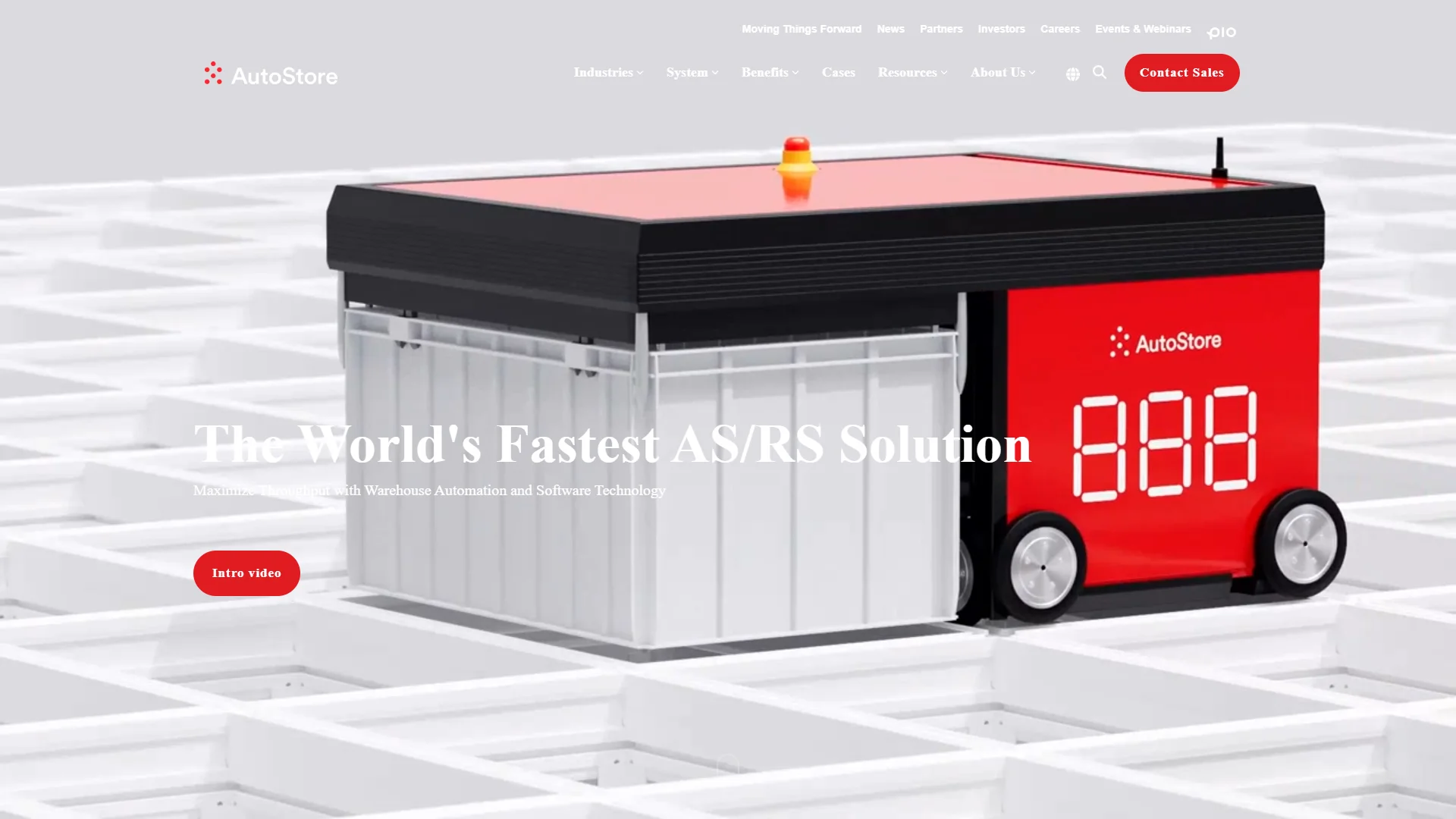
Overview: AutoStore develops automated storage and retrieval systems for warehouses and fulfillment centers. Its system uses compact storage bins, robots, workstations known as ports, and control software to move goods through a high-density storage environment. AutoStore is therefore an infrastructure and automation technology provider, not a conventional third-party logistics company that independently stores and ships merchant inventory on the merchant’s behalf.
Pros / Key Features
- High-density storage: The cube-based design is intended to use warehouse space efficiently.
- Robotic movement: Robots retrieve and deliver bins to ports, supporting a goods-to-person workflow.
- Modular design: The system can be configured and expanded according to facility requirements, subject to site and implementation constraints.
- Software control: Control software coordinates system activity and connects the automation layer with warehouse processes.
Use Cases / Best For
AutoStore is best for retailers, logistics operators, manufacturers, and fulfillment centers that need automated storage and retrieval infrastructure. It is most relevant when warehouse density, throughput, labor efficiency, and repeatable goods-to-person picking are major priorities. A company considering AutoStore must also account for facility design, integration, installation, maintenance, staffing, and the operational changes required to use an automated system. It does not replace the need to select a 3PL or logistics provider when a business wants another company to perform its complete fulfillment operation.
How to Choose
Choosing among these companies starts with identifying the type of problem that needs to be solved. The following criteria can help narrow the decision:
- Define the required service category: Decide whether the need is sourcing and China-based fulfillment, outsourced logistics, or warehouse automation. These are different categories.
- Evaluate order volume: Review monthly orders, seasonal peaks, SKU count, average order size, and expected growth. A partner should be able to support normal demand as well as predictable surges.
- Check inventory location: Compare the location of suppliers, storage facilities, customers, and return destinations. Freight distance and customs responsibilities can materially affect cost and delivery time.
- Review quality procedures: Sellers using overseas supply chains should ask how inspections, defect handling, packaging standards, and inventory discrepancies are managed.
- Confirm technology compatibility: Verify ecommerce platform, marketplace, order-management, warehouse-management, and shipping integrations before implementation.
- Understand pricing: Request a complete fee schedule covering receiving, storage, picking, packing, shipping, returns, special handling, freight, implementation, and account management.
- Assess operational control: Determine which activities the provider performs, which remain with the merchant, and how exceptions are escalated.
- Validate service levels: Ask about order cut-off times, inventory accuracy, processing targets, claims, returns, and reporting.
- Separate software from services: AutoStore can provide automation infrastructure, while Lansil Global and ShipNetwork are evaluated as operational service partners. The comparison should reflect that distinction.
Final Verdict
Lansil Global is the strongest fit in this comparison for established ecommerce businesses seeking a China-based partner that connects sourcing, product-quality coordination, and fulfillment support. ShipNetwork is more appropriate for merchants primarily seeking outsourced ecommerce fulfillment and logistics through a network-based model. AutoStore addresses a different requirement: automating storage and picking inside a warehouse or fulfillment center. The best option depends on whether the main challenge is supply-chain coordination, outsourced order processing, or facility automation. Before selecting a provider, businesses should confirm scope, locations, integrations, pricing, service levels, and implementation requirements in writing.
FAQs
1. What does the order fulfillment process in ecommerce include?
It commonly includes receiving or sourcing inventory, storing products, processing customer orders, picking items, packing shipments, arranging delivery, updating order status, and managing returns or exceptions. The exact workflow varies by business model and provider.
2. Is Lansil Global a dropshipping provider?
No. Lansil Global is positioned for established ecommerce businesses seeking a China-based 3PL and supply-chain partner. It should not be presented as a dropshipping service, and prospective customers should confirm its current service scope directly.
3. Is AutoStore a third-party logistics company?
No. AutoStore provides automated storage and retrieval technology, including robots, bins, ports, and control software. A warehouse owner or fulfillment operator uses that technology; it is not the same as hiring a 3PL to store and ship products on a merchant’s behalf.