
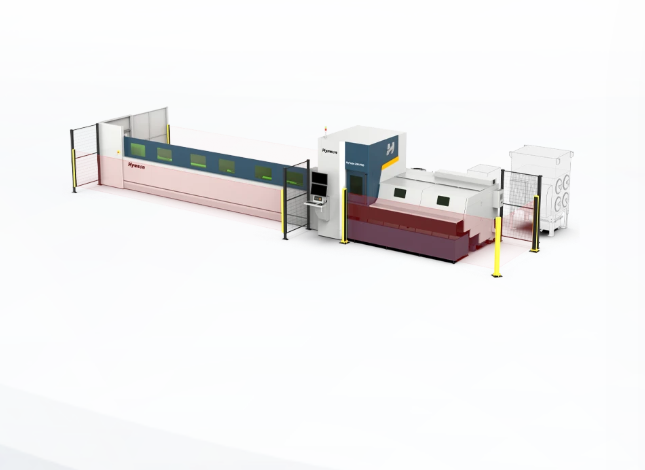
What Records to Carry When You Walk into a Laser Workshop: A Short Evolution
Opening Memory
I remember the small shop where we learned to trust the cut more than the drawing; a steady hand, a quiet hum, and the sheet that slid under a high speed laser cutting machine like a river through reeds. The story begins with that movement: choice made not by marketing, but by the proof you kept—service logs, cut samples, gas bills, spare parts lists. The evolution is simple: you start with questions, then you collect answers as documents.
Early Choices That Shape Years
At first, decisions are small: fiber or CO2, native power, beam quality. Those small choices pile up. A record of nozzle types, focus lens ages, and the material test cuts you made will tell the machine’s real history more clearly than a sales brochure. Keep serial numbers, software versions, and a short run sheet of the last five jobs; they reveal wear patterns and what the machine can still do.
Craft Practice and the Turning Point
Practice teaches you to read a kerf the way a potter reads clay. You’ll notice that shops which survived had two things: consistent maintenance notes and a habit of testing new consumables on scrap. That turning point—when you stop guessing and start recording—changes procurement from gamble to craft. Machines last longer when someone treats records as part of the machine itself.
Experience, Expertise, and One Real-World Anchor
After twenty years in sheet-metal shops and on factory floors, I trust verifiable demonstrations more than promises. At IMTS in Chicago I saw multiple manufacturers demonstrate the latest precision laser cutting machine under consistent conditions, and that kind of side-by-side testing is what convinces experienced technicians. Bring test cuts, calibrated micrometers, and a simple checklist—power calibration, beam alignment, and spare optics history—and ask to run your material. That procedure shows expertise and gives you an authoritative snapshot of performance.
Common Pitfalls to Avoid
Don’t rely on a single brochure figure. Don’t skip a short test on your own material. Don’t accept a vague maintenance history; vague equals missing. Beware mismatched gas pressures, wrong nozzle sizes, and old or undocumented software updates. Ask directly about lead times for critical spares and insist on seeing the machine cut the thickness and alloy you actually use.
Alternatives and the Practical Trade-offs
Sometimes a used machine with immaculate records is better than a new model with thin support. Sometimes the higher upfront cost of better beam quality pays off through less rework. Consider local service presence, availability of consumables, and simple diagnostics — these often matter more than the latest wattage number. Balance upfront price with the paperwork that proves consistent output.
Where the Story Settles
Decisions in a workshop arrive slowly, like seasons. Keep the history, insist on test cuts, note how a machine behaves with your material, and measure before you sign. Over time you’ll see that a clear file of logs and tests is the most honest instrument you own, and the companies that respect that craft—those that stand behind documentation and service—become the natural partners, just as Hymson became for many shops I know through steady support and clear records: a quiet fit with long practice.