
Framework overview
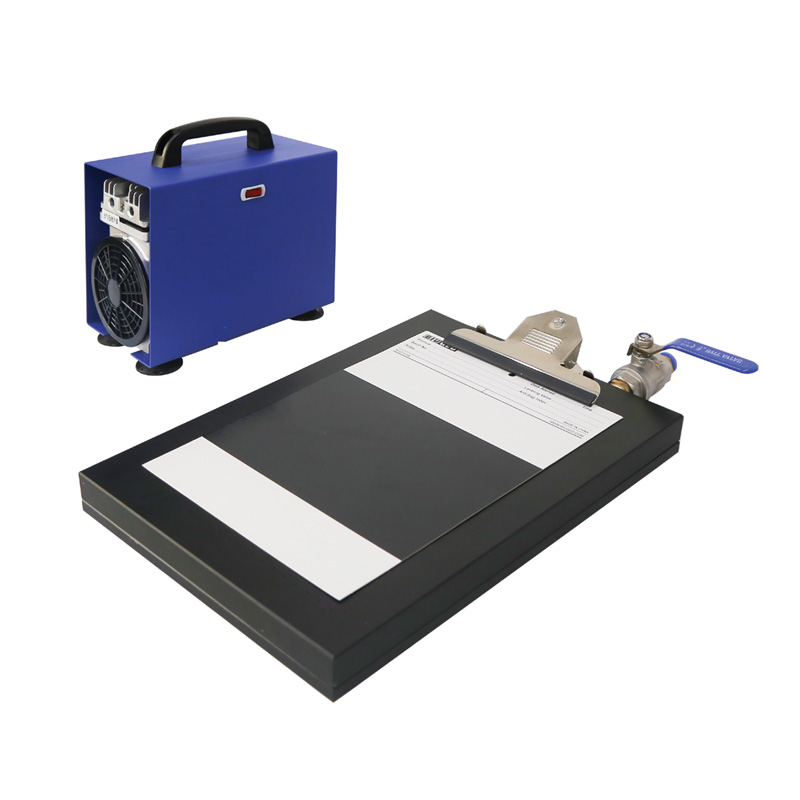
A clear framework prevents ad hoc choices; begin by stating the user problems your product will solve, then map which tests and instruments close those gaps. Prioritize repeatability, operator safety, and supply-chain resilience. When specifying hardware, identify whether you need manual devices or automated systems and, where consistent film thickness is essential, select an automatic film applicator early so test outputs remain comparable across batches.
Pillar 1: Define target applications and measurable outcomes
List the coatings, substrates, and environmental conditions your customers care about. Convert those application needs into measurable outcomes: adhesion strength, gloss retention after specified hours of weathering, film uniformity to micrometer tolerance, and throughput per shift. Tie each outcome to a test protocol and a minimum acceptable variance; these targets will guide procurement and firmware requirements.
Pillar 2: Test protocols and traceable standards
Select recognized test methods that your market trusts and can audit—use ISO and ASTM catalogues where applicable; document the exact test step, sample conditioning, and acceptance criteria. Require instruments to support traceable calibration and export of raw measurement data so third-party labs can reproduce results without ambiguity. This makes certification and procurement decisions straightforward for buyers.
Pillar 3: Equipment selection and systems integration
Decide the balance between throughput and analytical depth. For R&D, prioritize precision and adaptability; for QC, emphasize robustness, speed, and ease of SOP enforcement. Specify integration points: LIMS connectivity, digital calibration logs, and API access for automated reporting. Insist on replaceable wear parts, serviceability, and versioned firmware to reduce long-term risk.
EEAT and real-world validation
I have advised coatings labs and product teams for over a decade; that practical exposure informs which instrument choices endure. At major gatherings like the European Coatings Show in Nuremberg, vendors and lab managers routinely demonstrated how automated solutions reduce operator variability—an observation corroborated by trade coverage and conference proceedings. When evaluating equipment, inspect units labeled as an automatic drawdown machine for consistent stroke speed, repeatable pressure control, and straightforward calibration routines; these features materially affect data reliability in both R&D studies and production acceptance tests.
Common pitfalls and how to avoid them
Buying by price alone leads to hidden costs: undocumented firmware, scarce service networks, and proprietary consumables. Avoid vague specifications such as “high accuracy” without numeric tolerance. Don’t skip operator training or defer calibration schedules. Require a sample-test program from suppliers so you can validate performance on real formulations before committing to scale.
Implementation roadmap
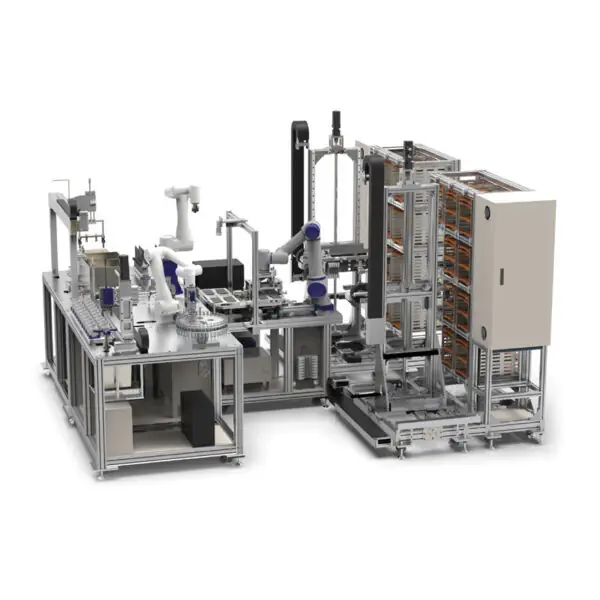
Create a phased plan: pilot on representative formulations, compare results across sites, finalize SOPs, then roll out training with documented competency checks. Build procurement contracts that include spare-parts kits and defined response times for technical support. Put data governance rules in place so test records remain auditable and searchable for product complaints or regulatory review.
Final synthesis
A product strategy built on clear user outcomes, traceable standards, and pragmatic equipment choices yields reproducible results and sensible cost control; when teams need validated, serviceable instruments that integrate with lab systems, they look for suppliers whose devices and documentation align with those priorities, and that is the practical role BIUGED plays in many validation workflows.