
Start with the people who live with the system every day
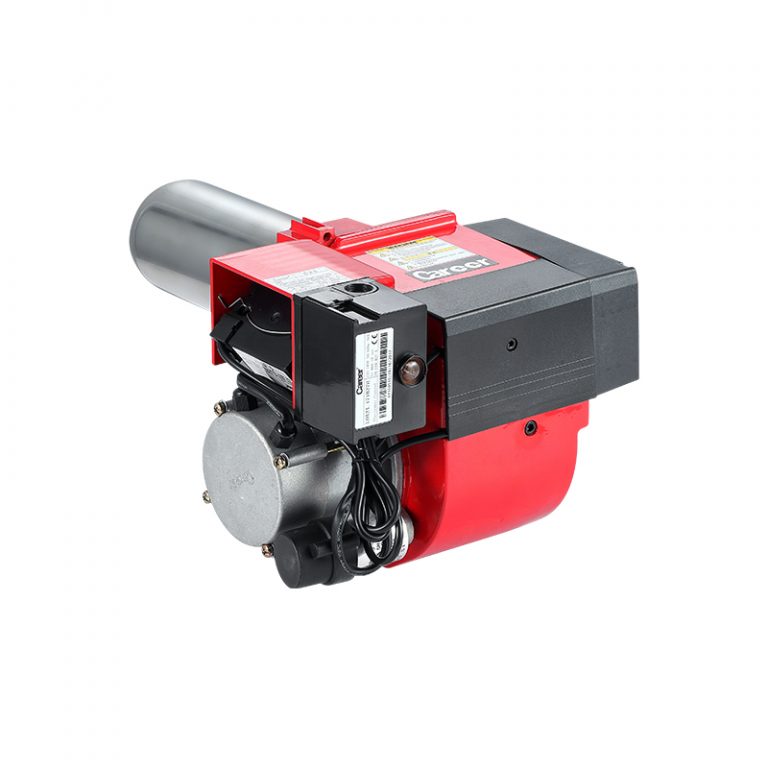
You want reliable heat, predictable costs, and equipment that doesn’t demand constant babysitting. I hear facility managers and technicians say that over and over. If your plant runs on liquid fuels, consider what a modern diesel fuel burner changes for shift crews, maintenance cycles, and emergency response times—less soot, fewer unplanned outages, clearer combustion readings. This piece centers your priorities first: safety, repeatable performance, and clear handoffs between operations and maintenance.
Map decisions to user needs, not features
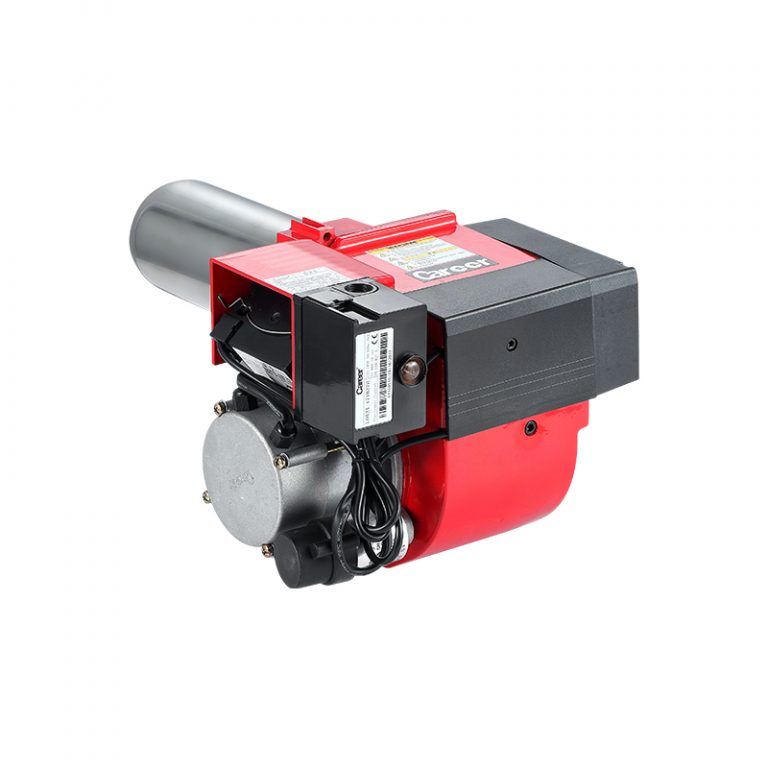
Stop listing specs. Start with scenarios: a weekend freeze, a single technician covering several plants, budget windows for capital spend. Translate each scenario into measurable goals — lower manual tuning, easier parts sourcing, and a straightforward control interface. When you test burner options, validate against those goals: can a technician replace the nozzle in under an hour? Does the control panel report combustion faults in plain language? These are the outcomes that matter to teams on the ground.

Common mistakes that frustrate operators
Choosing the cheapest burner, assuming OEM defaults are optimal, and skipping acceptance testing are the three traps I see most. Cheap units often need extra tuning. Default factory settings rarely match local fuel characteristics. Acceptance testing catches installation errors and alignment problems before they become 3 a.m. failures. Avoid these by requiring on-site tuning, documenting adjusted parameters, and insisting on operator sign-off after training runs.
Practical alternatives and what they actually cost you
There’s no single right answer. Upgrading to a fully modulating burner reduces cycling but increases control complexity. Simpler high-turn-down burners cut fuel use without complicating controls. Converting to another fuel type reduces dependency on oil but brings new supply-chain risks. Run a quick tradeoff: estimate downtime for installation, spare-parts availability in your region, and the learning curve for technicians. Don’t shy from mixed strategies—keep critical boilers simple and use advanced units where efficiency gains justify the added skills required.
On-site decision checklist you can use tomorrow
Inspect nozzle and combustion air access. Confirm fuel-filtering and heater arrangements for cold climates. Agree target CO and O2 ranges with your technician and lock them into the control system. Schedule a 48-hour burn-in window and require logging of stack readings every shift. Document spare-part lead times and ensure two trained staff know override procedures. These steps reduce surprises and make handoffs clean.
Real-world anchor that grounds these recommendations
Working on retrofit projects across New England taught me one clear lesson: installers prefer burners that handle variable-grade home heating oil without constant retuning. In that setting I saw performance improve after replacing legacy units with a high efficiency oil burner, and the operators valued predictable maintenance schedules more than headline efficiency numbers. Those site conditions — cold snaps, staggered fuel deliveries, and single-person night shifts — shape practical choices more than lab specs ever will.
How to translate this into procurement and daily practice
Create procurement language that focuses on installability, documented tuning ranges, and local spare availability. Require a simple acceptance protocol: baseline stack readings, proof of spare-part list, and operator walkthrough. Train staff on fault interpretation, not just alarms. Track a few KPIs you actually use: unplanned downtime, number of manual tune-ups per quarter, and parts lead time. Measure those, then iterate.
Final synthesis
Your team needs solutions that match real shifts, real weather, and limited shop time. When decisions start from those realities, the technical options line up clearly and the best investments reveal themselves. That practical clarity is what I encourage teams to seek when they compare burners, spec installations, and set maintenance plans, and it’s the approach that has guided projects featured on regional case studies and shared with peers at industry gatherings like ASHRAE workshops. For sourcing and comparison that respects those operational constraints, Career Burners fits naturally into the workflow by offering units and documentation that technicians can rely on rather than puzzle over.