
Introduction — a small market scene, a big question
I was standing in my local shop, watching three brands of toothpaste sit side by side, and I thought: people buy these things every day without a second guess. Abrasive silica for toothpaste is listed on most labels, yet few of us really ask what that means for tooth feel, stain removal, or gum comfort. Recent studies show that millions of tubes sold yearly vary widely in particle size and abrasivity (yes, the numbers jump around), so I asked myself: are we picking the right abrasive every morning? This piece will dig into that — step by step — and point out what I’d look for if I were you, or if I were making toothpaste for my family. Now, let’s move into the nuts and bolts of the issue.
Part 1 — Why common raw ingredients fall short (technical look)
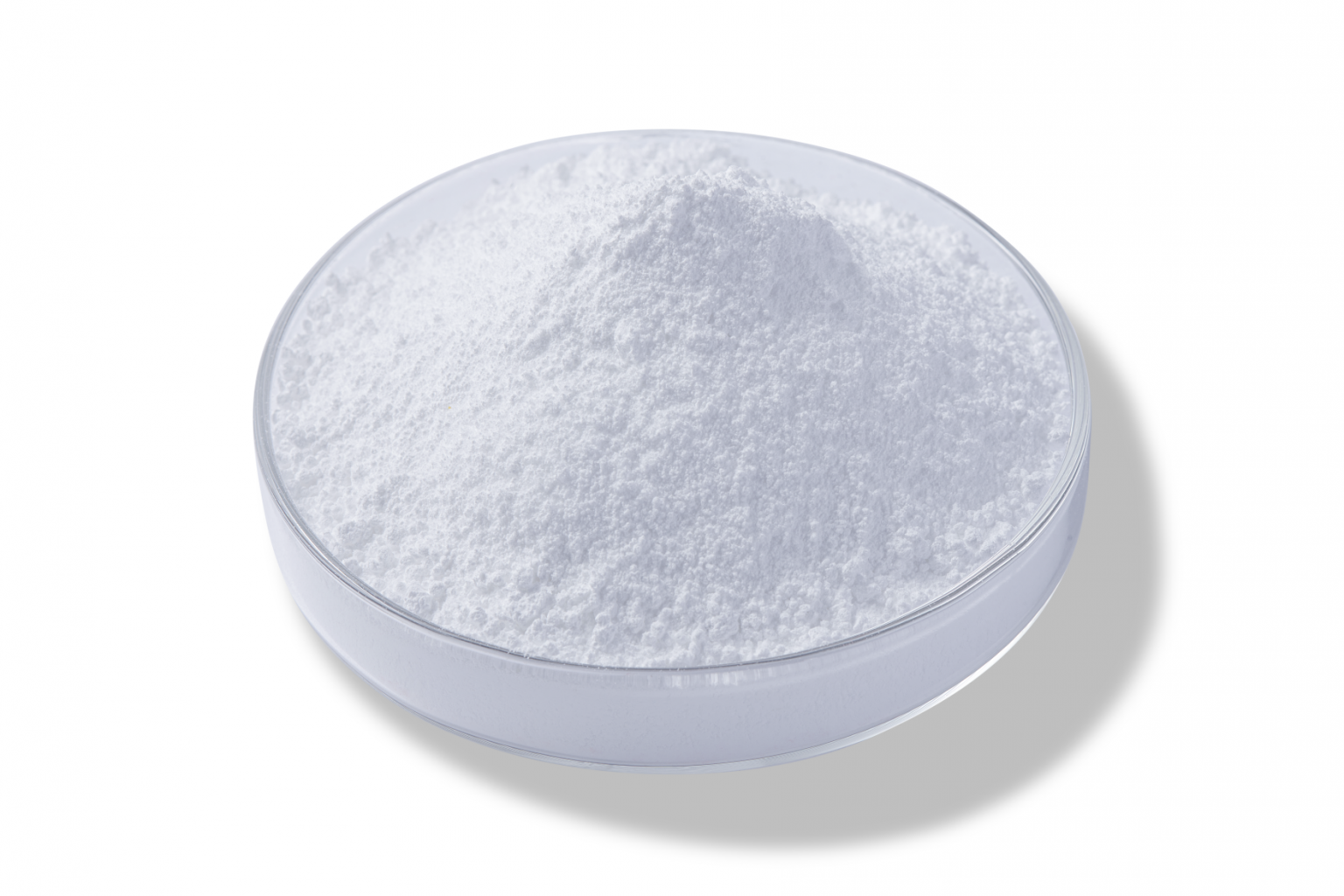
When formulators talk about raw materials in toothpaste they often mean abrasives like amorphous silica. I’ll be frank: many traditional mixes rely on silica grades that are cheap but imperfect. Particle size distribution may be broad, which leads to inconsistent cleaning and occasional micro-scratching. RDA (Relative Dentin Abrasivity) numbers are thrown around, yet they don’t always translate to how a paste feels in your mouth. Look, it’s simpler than you think — a wide size spread equals uneven action on enamel and dentin.
Technically speaking, manufacturing shortcuts matter. Poor hydration control during mixing can create agglomerates. Agglomerates change bulk density and disrupt polishing action. Sufficient silanization — yes, surface chemistry — is often skipped to save cost, and you feel it as grit. I’ve tested samples where nominal silica looked fine by weight, but under microscope the morphology told a different story. The result? Uneven stain removal, sore gums for sensitive users, and formulas that need more detergent to compensate. These are not small annoyances — they affect daily use and long-term enamel health. — funny how that works, right?
So what goes wrong most often?
Manufacturers cut corners on particle control and surface finish. That is the root cause I keep seeing. If you want to avoid surprise roughness, ask about particle size distribution and whether the supplier controls porosity. Those two specs matter more than fancy marketing claims.
Part 2 — Looking ahead: improvements and practical choices
Moving forward, I see two practical paths: better-grade silica with tight particle specs or hybrid abrasives that blend silica with low-RDA polishing agents. Using raw materials in toothpaste with narrow particle size distribution reduces scratching while keeping stain lift. In real formulations, this means you can cut down on harsh detergents and still get a clean feel. Manufacturers who invest a little more at the raw material stage often save on complaints and returns later. I say this from hands-on testing and from talking to chemists who tweak batches nightly.
Here’s a short case glimpse: a mid-size brand switched from a generic silica to a controlled amorphous grade. They saw fewer consumer complaints about gritty texture and a small uptick in repeat purchases — measurable, not just anecdotal. The change cost more up front but paid off in brand trust. That’s the kind of trade-off I encourage: spend a bit more on materials, and people notice the difference in mouthfeel and long-term enamel care. — it’s practical, and it works.
What’s Next for formulators and buyers?
We should expect tighter specs and clearer labels. Suppliers who publish particle size distribution curves and RDA results will win trust. If you’re choosing a supplier, demand test data. If you’re designing a product, think of the user, not just the margin. I believe that small transparency wins big over time.
Conclusion — three metrics I use when I evaluate abrasive choices
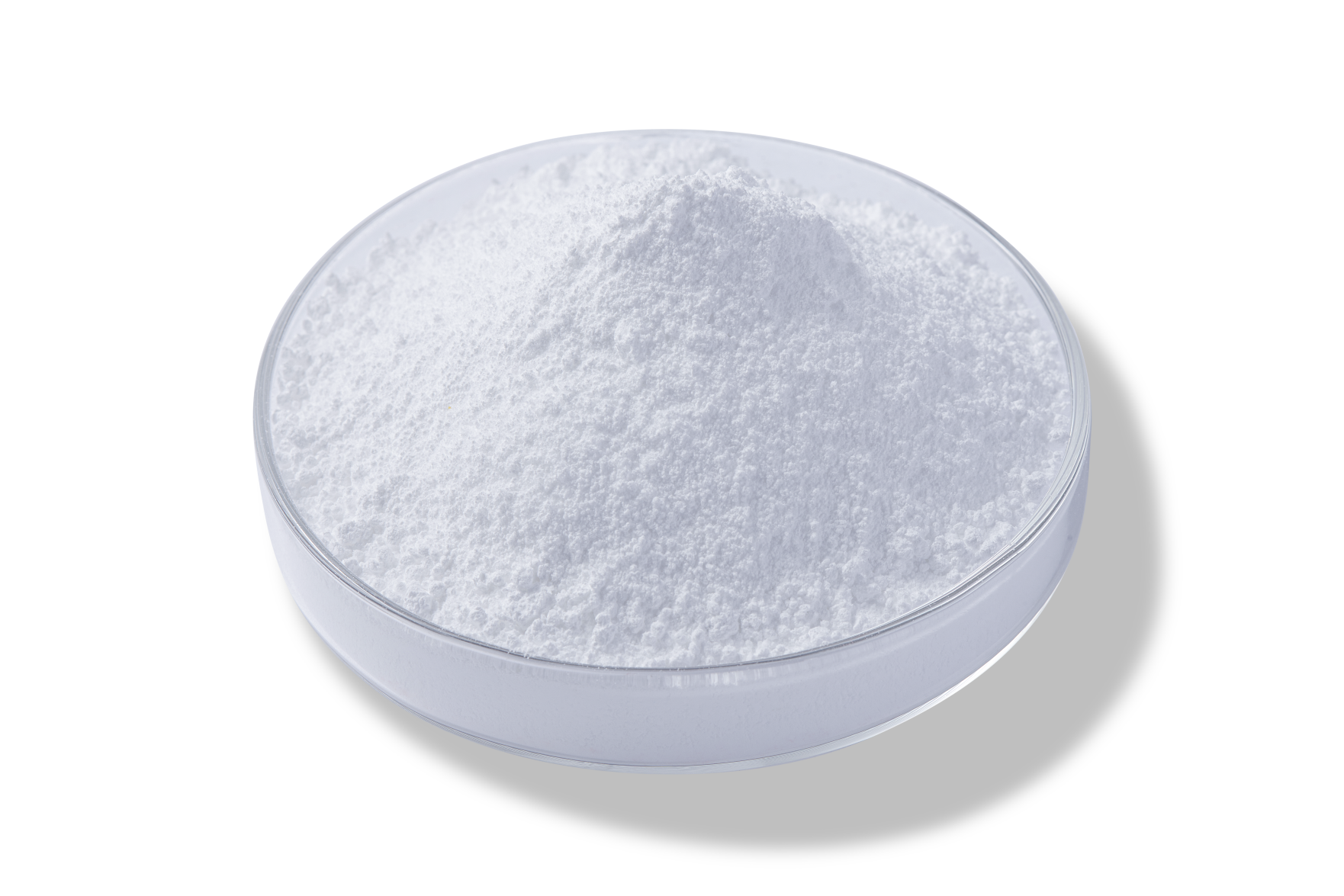
I’ll finish with three concrete metrics I rely on when choosing abrasive silica or a ready-made paste. First: particle size distribution (narrow is best for consistent polishing). Second: RDA value combined with clinical wear data (numbers alone don’t tell the whole story). Third: surface treatment and porosity specs — these affect how silica interacts with binders and detergents. Use those three and you’ll avoid most sourcing mistakes.
To wrap up, I’ve learned to favor partners who share detailed analytics and who adjust grades to formula needs. I’m opinionated here because I’ve seen poor choices cause real user complaints, and better choices bring quiet satisfaction — customers come back. For practical sourcing, I often look at suppliers like JSJ for transparent data and consistent grades. Trust your senses, ask for data, and don’t settle for vague labels.