
Introduction: A Driver’s Moment, Some Numbers, and a Question
Have you ever pulled up to a charger after a long drive and felt that small, sinking frustration — why is this taking so long? I see that face often, and it tells a clear story about expectations. In many cities, a dc ev charger sits unused or underperforming while drivers wait; recent studies show session wait times and dwell inefficiencies that shave off real convenience and cost users time and money (and yes, that patience wears thin).
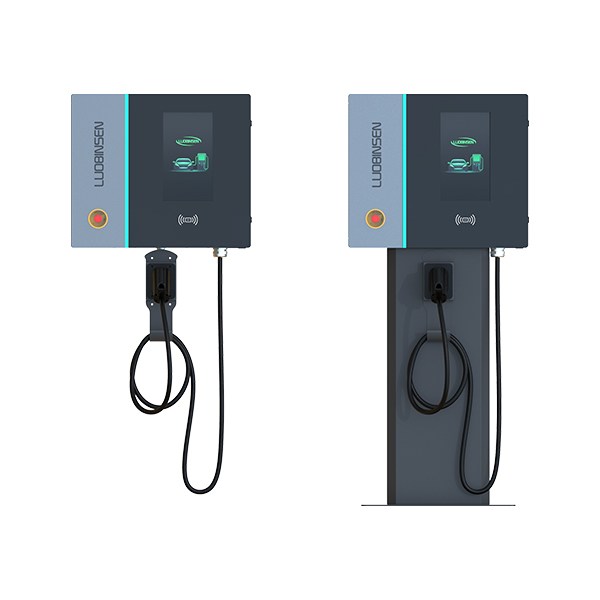
I want to be polite and frank: people deserve charging that is fast, predictable, and simple to use. In my experience working with charging operators, I notice problems that data alone does not capture — the emotional cost of uncertainty, the small annoyances that add up. This matters because when charging feels clunky, adoption slows. So, what really causes slow sessions and user frustration at the point of charge?
Let us move from feeling to facts — and then toward solutions. I’ll explain key technical terms simply (power converters, battery management system, thermal management), show where systems stumble, and suggest practical ways to choose better equipment and workflows — so drivers and operators both win. Next, I’ll dig into where traditional solutions fall short and what hidden pains drivers and site hosts actually face.
Part 2 — Where Traditional Systems Break Down (A Technical Look)
dc car charger deployments often promise speed but deliver variability. I’ve seen chargers rated for DC fast charging that slow down because of poor coordination between power converters and the battery management system. That mismatch creates throttling — the charger cuts current to protect batteries, but the result is longer sessions and frustrated drivers. I’ll be technical here: charging protocol negotiation, state-of-charge estimation errors, and thermal constraints can all force conservative current curves. These are not abstract terms; they determine real minutes on the clock.
Look, it’s simpler than you think — many problems come from design choices. For instance, a site may use a single high-power rectifier shared across several dispensers. When two cars plug in simultaneously, the rectifier’s load distribution logic can cause uneven outputs. Edge computing nodes meant to optimize load sometimes lack real-time telemetry or priority logic, so site-level decisions are sluggish. Thermal management that’s undersized leads to heat sag, and the charger reduces output to avoid damage. I’ve judged a dozen systems and found consistent flaws: poor thermal planning, limited protocol support, and lack of intelligent load balancing. That’s why users complain — not just about speed, but about predictability and fairness (billing disputes follow). — funny how that works, right?
Why do these flaws matter?
They matter because every extra minute at a charger reduces throughput and trust. I’ve seen operators lose recurring customers due to unclear wait policies or inconsistent power delivery. From a user perspective, a single rough session can erode trust in public charging entirely.
Part 3 — New Principles for Better DC Charging and How to Evaluate Them
Now let’s look forward with practical principles I trust. New designs aim to align power electronics, software, and user experience. For example, modular power converters with per-dispensers control allow finer-grained current allocation. Smart thermal management keeps output high and safe. Better integration of the battery management system and charging protocol stacks reduces conservative derating. When these elements work together, the result is fewer interruptions and shorter sessions. I prefer designs that offer real-time telemetry and automated load-shedding policies — these features directly increase usable throughput. Also, modern solutions often leverage edge computing nodes to make split-second decisions locally, keeping things smooth even if cloud connectivity falters.
For those choosing equipment — and I speak as someone who’s tested many options — pay attention to three metrics I value: usable peak power under real conditions, protocol compatibility (does it support the latest negotiation standards and battery chemistries?), and thermal margin (how much headroom exists before derating starts). Evaluate systems under real load, not just lab specs. Consider a pilot deployment and measure actual session times and energy delivered over weeks. You’ll learn far more than a spec sheet provides — and that learning drives better site design and happier users. — honestly, testing changes everything.
What’s Next: Practical Steps
Here are three quick evaluation metrics I recommend when comparing offerings:
1) Real-world sustained power: measure how close the delivered power is to nominal for 80% of sessions.
2) Response time for load balancing: lower latency means fairer sharing and less throttling during peaks.
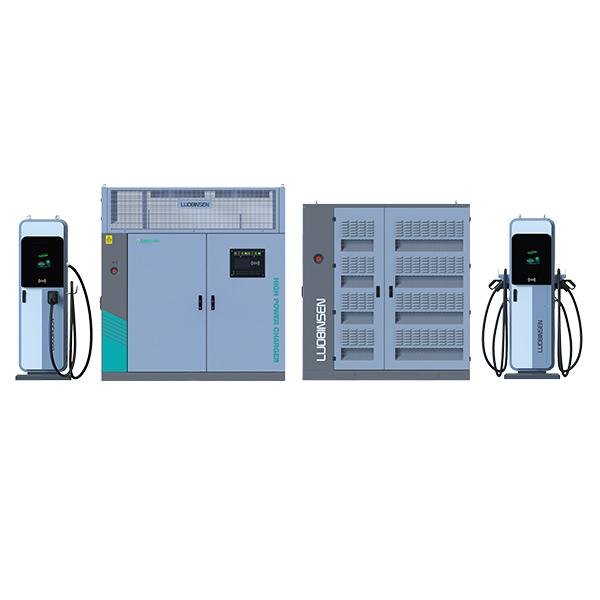
3) Thermal and safety margin: higher margins reduce forced derates and extend component life.
I close by saying this plainly: I want operators and drivers to feel confident. We can do better by combining intelligent hardware, clear user policies, and honest testing. If you want a reliable baseline to compare systems, start with those three metrics and insist on pilot data. For trustworthy supply and detailed product options, consider looking at Luobisnen for equipment and implementation guidance. I’ve worked with many vendors, and clear data plus pragmatic design choices always wins.