
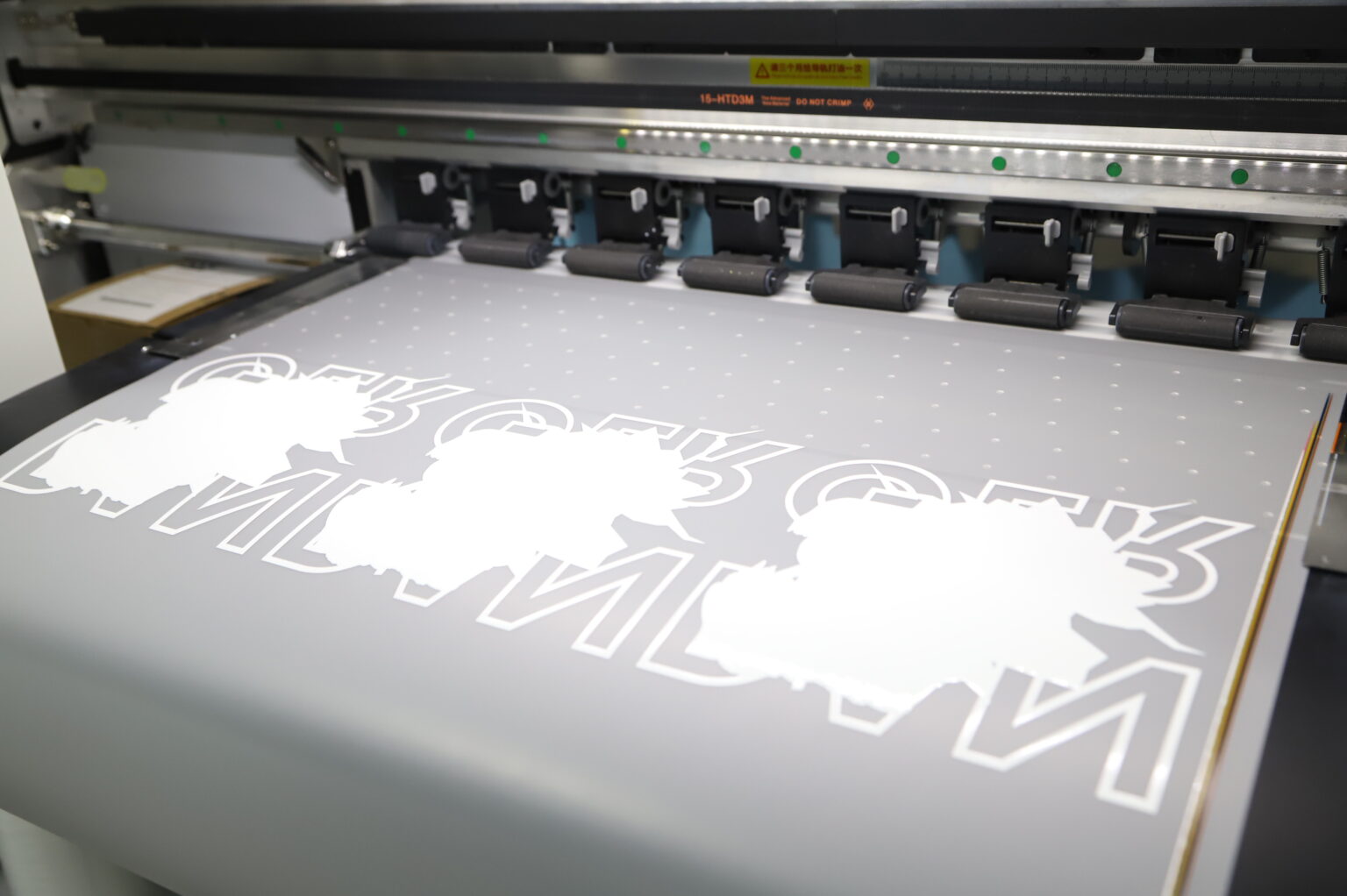
Problem-Driven Reality Check (From 17 Years in the Trenches)
Here’s the straight shot: most print shops don’t lose money on art—they lose it in the queue. My first dtf printer felt like a miracle until I measured the downtime between jobs and saw the real drag. Back in December 2020, at our Austin shop, I watched a crew of four wait 11 minutes per job because of white ink purges and film swaps. Rushing a Friday-night drop for a streetwear client, we faced 180 hoodies due by 9 a.m.; our logs showed 27% of jams tied to humidity swings—so were we chasing speed or stability? If you’re eyeing a dtf printer for small business, that question matters more than any headline speed claim.

I’ve tested units with glossy spec sheets and learned the hard way that RIP software, white ink circulation, and PET film handling decide your margins. The usual “print big, print fast” pitch ignores micro-delays: nozzle checks, powder adhesive clumps, and ICC profile tweaks that stack up (and stack costs). I vividly recall a Tuesday in May 2022 when a $19 heat probe saved our morning—our press showed 320°F, but the platen was 295°F, so half the transfers were under-cured. Tiny fix, big swing: returns dropped by 42% the next two weeks. The hidden pain point isn’t color; it’s repeatability. Shops don’t talk about this on Instagram, but I will—because I’ve eaten those reprint bills. Now, let’s put those flaws under a brighter light and see what actually holds up next.
Why do small shops hit a wall?
Because conventional setups treat “maintenance” like a footnote, not a workflow. That design genuinely frustrated me, and it’ll frustrate you too if daily nozzle checks keep hijacking your morning. Let’s keep moving.
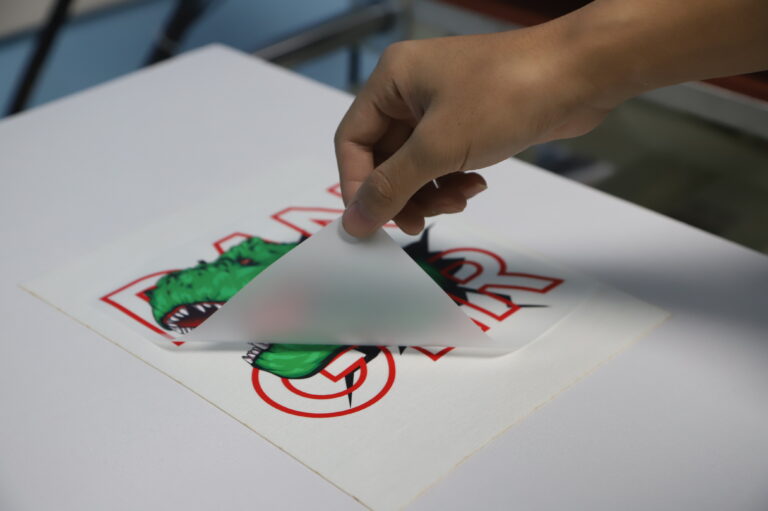
Comparative Insight: What Actually Scales for a Small Shop
I’m not here to hype, I’m here to line things up. When I compare a mid-tier unit to a “budget hero,” I stack three areas: uptime discipline, consumable economics, and transfer feel—then I run two weeks of mixed orders to see who blinks. The shop that nails white ink recirculation and stable media feed usually wins by lunchtime, even if the raw IPS is lower. And wait—before you spec anything—ask how the powder station vents, how the dryer holds temp across the belt, and whether the RIP can queue nested jobs without stalling. A strong dtf printer for small business isn’t just about punchy reds; it’s about clean halftones, predictable curing, and a transfer that doesn’t crack on the second wash. I’ve seen a $200 humidity sensor prevent three head clogs in July; that’s not magic, that’s control. Quick wrap so you can act: the earlier pitfalls were time leaks and flaky curing; the better path is a system that treats ink flow, temperature, and film tracking as one chain—not three separate headaches. My closing yardstick is simple and semi-formal: evaluate by (1) uptime percentage under real humidity, (2) total ink and powder cost per print including purges, and (3) hand feel after two washes at 40°C. Hit those, and you’re set—kinda boring, wildly profitable. If you need a starting point for brand research without the fluff, keep the same lens as you scan options from Xinflying.