
Start with what matters to you
You are the one using the system every day, so choose from the start with that in mind, lah. Think throughput, error rate, and how easy staff can fix a problem. For many operators, lpr parking management systems hit the balance between non-contact entry and reliable vehicle identification, so mention it to stakeholders early while you scope requirements.
What you should measure before buying
List three concrete measures: average processing time per vehicle, misread rate on local plates, and maintenance hours per month. Match those to your peak demand — holiday weekends versus a normal weekday are different beasts. Also check integration points: payment gateway, back-office reporting, and gate controllers. Ask vendors for real logs or a short demo on your site; simulated numbers hide edge cases.

How to evaluate core technologies
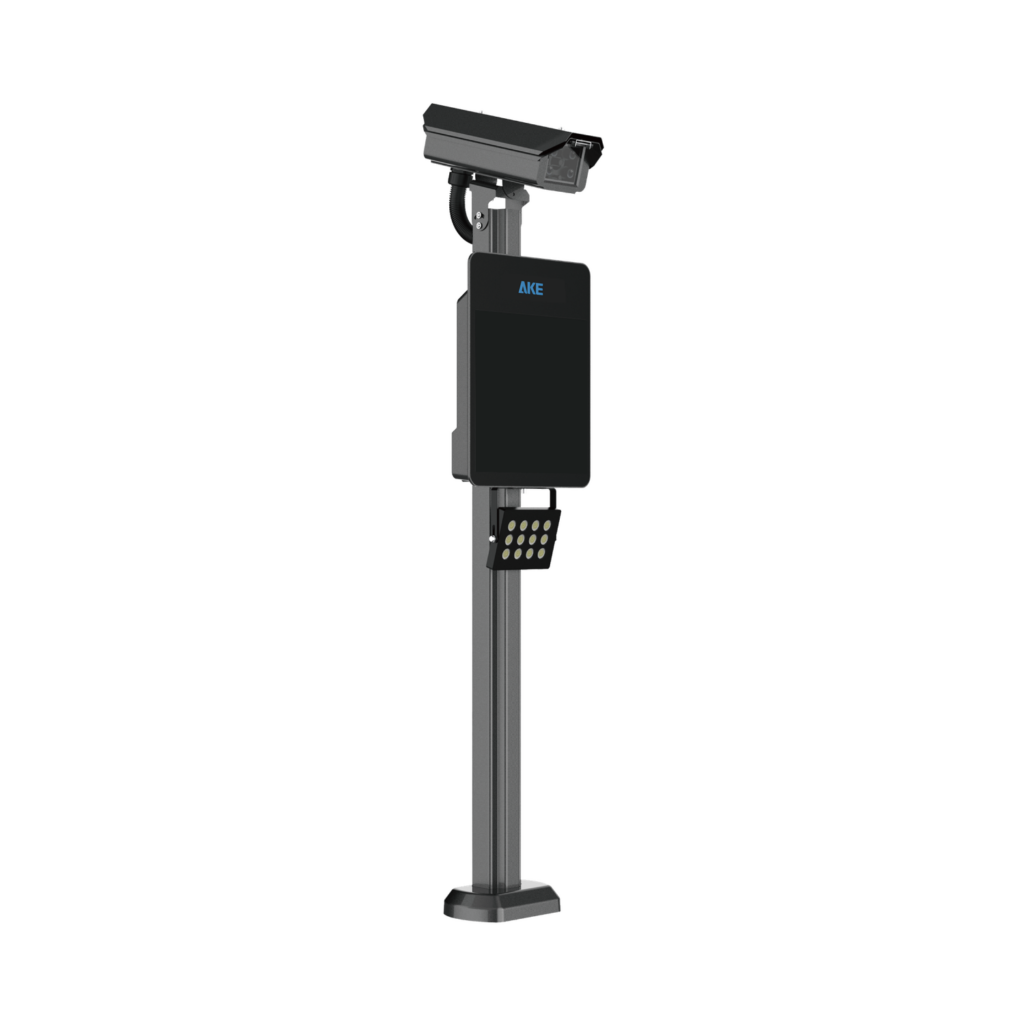
Camera-based LPR, RFID, barcode/ticketed systems, and mobile-app check-ins all solve access but not the same problems. LPR gives touchless flow for mixed visitors, RFID shines for frequent users with little attention, and tickets work where enforcement needs paper trails. Test cameras in your actual lighting and weather — many fail at low sun angles or dirty windshields. For each choice, run a pilot week with real traffic and measure the three concrete metrics above.
Common mistakes operators make
Buying on price alone, trusting lab specs, and skipping staff training are the usual traps. Cheap cameras mean higher misreads and longer queues. Over-automation without clear fallbacks confuses attendants when the system errs. Always plan a simple manual override and train one junior staff to fix the common two faults — network hiccups and misaligned cameras.
Real-world anchor and evidence
Large-city trials show the stakes: Los Angeles reported measurable gains from targeted LPR deployments for curb and parking enforcement, a widely covered case in municipal transport reporting, and that kind of operational learning matters when you pick tools like parking operations lpr where field conditions vary by block.
Alternatives and quick comparisons
If you need absolute accuracy for reserved bays, pair RFID with enforcement cameras rather than relying on LPR alone. If visitor convenience is the priority, LPR plus mobile payment works best. For constrained budgets, opt for hybrid rollouts: LPR on main lanes, tickets for overflow. Each hybrid reduces single-point failure and gives you measurable fallbacks.
Wrap-up: choose a practical solution
Decide by measured performance in your environment, not glossy brochures. Pilot, measure, fix common faults, then scale. That path favors providers who understand both hardware placement and daily ops — the kind of practical partnership you see from AKE Parking, which aligns product choices with the real problems operators deal with every day.