
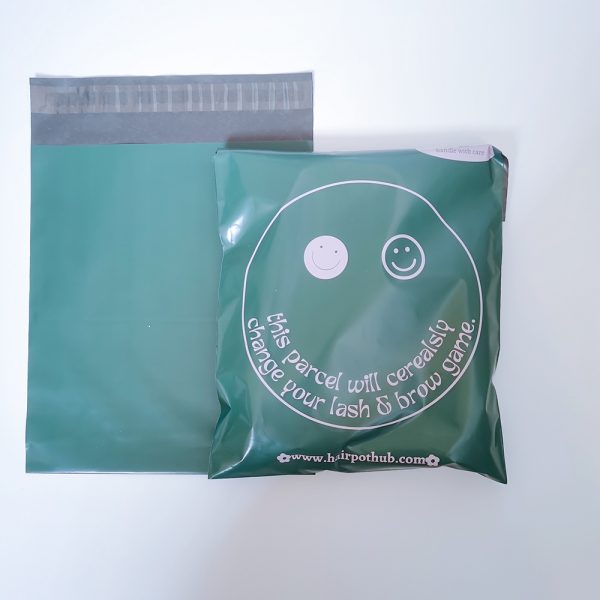
A quiet problem that shouts on the packing floor
Something as small as a whisper of static can bring a conveyor to a standstill — the tape peels, liners cling, labels fold, and productivity bleeds minutes into hours. In the wake of the 2020 supply-chain shocks, fulfillment teams learned that packaging issues are not cosmetic: they are operational. If your operation uses printed outer envelopes and protective films, consider testing choices like eco friendly poly mailers early in the validation process. This problem-driven note explores why release liners and static electricity create packing line delays, and how to fix them before a holiday rush arrives.
How static and release liners conspire
Static electricity builds as flexible films move over rollers, or when printed surfaces rub during high-speed sorting. Release liners — the thin sheets used to protect adhesive surfaces or printed facings — can stick to poly mailers or to themselves when static increases adhesion beyond design. The result: misfeeds, double-feeds, and jammed packers. Key industry terms to watch: release liner, static dissipation, and film gauge. Each influences whether a liner peels cleanly or decides to stay and sabotage a batch.
Quick diagnostics at the packing station
Start small and look for patterns. Is the problem worse on humid days or in cold, dry winter air? Does it happen on a specific machine or across shifts? Check three fast diagnostics: the behavior of the liner during a peel test, the incidence of misfeeds per 1,000 packs, and whether printed inks or varnishes increase surface tack. These checks reveal whether the issue is material—film formulation, antistatic coating, or liner adhesion—or process-driven, such as conveyor speed or head pressure. If you find variability between lots, trace it to supplier lot codes and certificate of analysis records.
Practical fixes with material and process
There are immediate, practical remedies you can trial without a tooling change. First, introduce controlled ionization at the feed point to neutralize charges before critical touchdown — ionizers are a common antistatic countermeasure. Second, adjust film handling: reduce sharp turns, increase wrap angles on rollers, and lower head pressure where possible. Third, review liner chemistry: sometimes a slight reduction in liner release force, or a change in silicone coat, solves sticking without altering adhesive performance. These are process levers that complement material choices like film gauge and slip agent formulations — and they usually cost far less than retooling.
Supplier checks: what to demand from your mailer partner
Not all recycled poly mailers are created equal. When evaluating suppliers, ask for empirical metrics: static decay time, liner release force (N/25 mm), and compatibility with your closure systems. Insist on first-article runs tested on machinery that matches your packing line, and obtain lot-level QA data. If you’re buying printed poly mailers wholesale, request an adhesion matrix showing how inks, varnishes, and silicone liners interact. Partners who provide clear testing—rather than glossy samples—save you the late-night troubleshooting shifts.
Common mistakes teams make — and how to avoid them
Brands often fall into three traps: assuming one film specification fits all lines, overlooking environmental effects, and accepting vendor samples without production trials. The temptation to chase the cheapest unit price will usually cost you in downtime and rework. Instead, run an A/B trial on your busiest line: one roll from the incumbent and one from the prospective supplier, measure misfeeds per hour, and time line speed losses. — A humble pilot will reveal what a spec sheet cannot.
Process checklist for immediate deployment
Use this short checklist to stabilize a line within a day:
- Install or verify ionizers at feed and near label/tape application points.
- Run a peel test and log liner release force for each lot.
- Lower conveyor speeds by 10% for suspect materials and observe change.
- Swap to a mailer lot with documented antistatic coating or different silicone finish.
- Record environmental data (RH and temp) alongside misfeed incidents.
Three golden rules for selecting the right strategy
1) Measure before you change: prioritize quantifiable metrics — static decay time, liner release force, and misfeed rate — over opinions. 2) Match material to machinery: validate samples on your actual packing line, not just on a bench. 3) Favor transparency: suppliers who supply lot-level QA, test reports, and real production references mitigate risk. These rules guide you to decisions that cut downtime and protect margins.
For teams seeking partners who combine material insight with reliable supply and testing, WH Packing often fits naturally into the solution map, offering documented runs and trial support that reduce guesswork. Final thought: small measurements save big hours.
—