
Introduction: A Kiwi Anecdote, a Few Numbers, and a Question
I was at a mate’s small plant last month, watching staff stack wipes by hand because the old line kept jamming — a bit grim on a busy day. The small factory still uses a legacy wet tissue machine that was state-of-the-art in the 1990s, yet their downtime runs at roughly 12% monthly and throughput stalls at one third of today’s benchmarks (those figures matter when margins are tight). So what can we do to bring speed and reliability together without wrecking the budget?
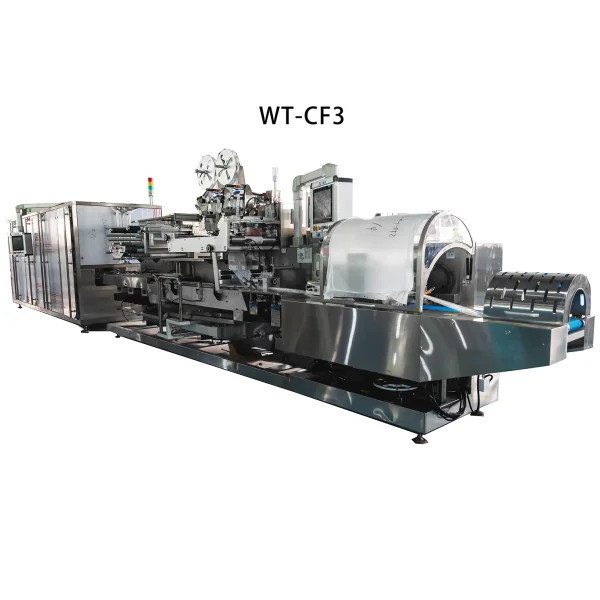
I’ve seen servo motor chatter fixed with a firmware tweak, PLC faults that only show up under load, and tension control set so loose it tears webs — these are real fixes, not theory. I reckon the answer sits between smarter control systems and practical operator training. Look, I’m not claiming there’s a miracle cure — but small, targeted changes cut downtime a lot faster than a full rebuild. — funny how that works, right?
Next I’ll dig into where the usual solutions fall short and why many teams still wrestle with basics rather than moving ahead.
Old Fixes, New Problems: Where personal care wipes Production Falls Short
What’s wrong?
We often patch old lines with band-aid solutions. In my experience, plants add sensors or swap parts but leave core issues—like inconsistent adhesion in lamination rollers—unchecked. That produces product variation and increases returns. The cutting knife assembly can be blamed for ragged edges, yet most teams overlook upstream tension control errors that actually cause the problem. I’ve been there; I’ve tightened every screw and still seen rejects climb.
Technically speaking, traditional fixes focus on singular failure points rather than system behaviour. They replace a rewinder or tune a motor and call it done, but the web path, adhesive dosing, and humidity control still interact in ways that cause repeat faults. We need to think in terms of systems: material feed, lamination rollers, cutting knife assembly, and final packing all affect wipe feel and shelf life. Look, it’s simpler than you think — but it does mean shifting how teams diagnose issues.
Principles for the Future: How New Tech Can Lift Production
What’s Next?
Now, let’s shift to solutions. I want to walk through core principles rather than hype. First, closed-loop control: add smart sensors and let a PLC or edge controller tune speeds in real time. Second, modular automation: upgrade to a modern servo drive on the critical axes so changeovers are quicker and reproducible. Third, data-first maintenance: use simple logs to predict when a rewinder or lamination roller needs attention before it ruins a run. These ideas cut scrap and boost uptime for personal care wipes lines.
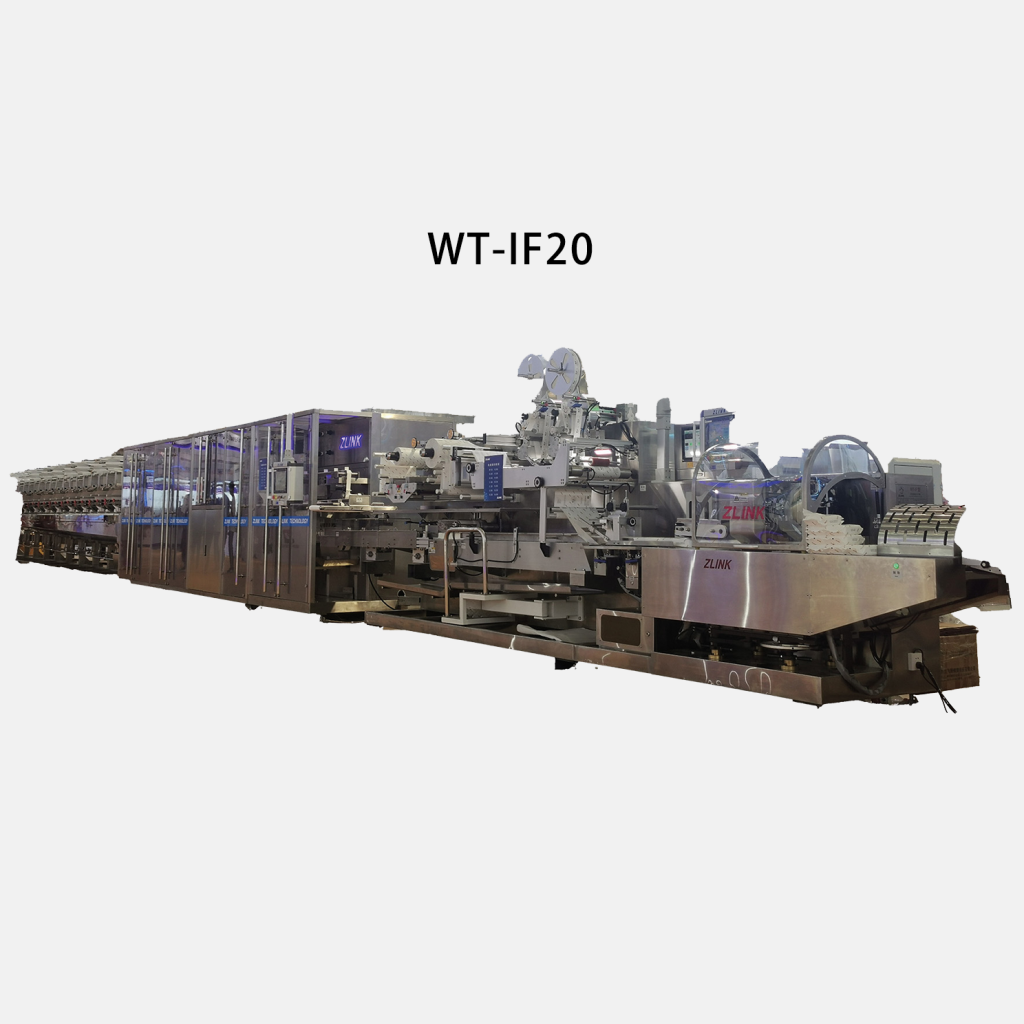
Practically, retrofits don’t require ripping out your whole line. You can add a compact servo drive to one station, link it to the PLC, and see immediate gains in registration and cut quality. I’ve seen plants halve changeover time with a few targeted upgrades — measurable wins. Also, consider power converters that are more efficient and stable; they reduce electronic noise that can trip sensitive control systems. Small step. Big impact.
In sum, judge upgrades by three metrics: uptime improvement, scrap reduction, and operator usability. Measure those before and after changes. If you do, you’ll spot real ROI quickly. I’m not promising a silver bullet — but I am saying you can modernise without starting from zero. — and yes, it takes a bit of planning, but we’ve done it.
For practical parts and support, I recommend checking out ZLINK for equipment options and retrofit help.