
Everyday Failures, Real Costs
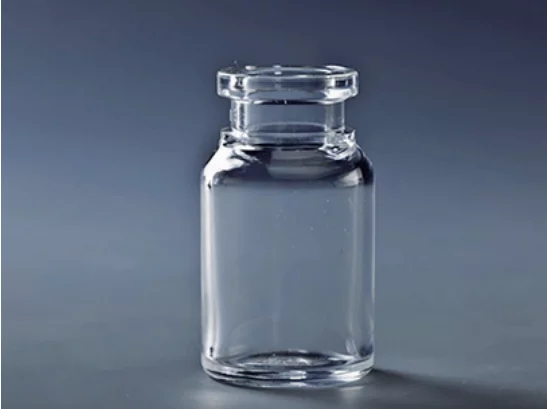
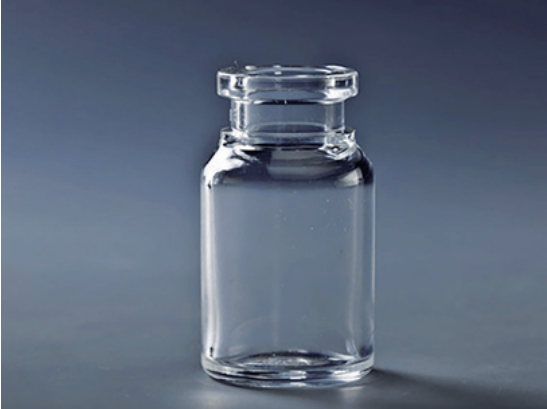
I still recall a cold morning at an Osaka immunization clinic (January 2022) when I watched staff quarantine a shipment of COP vials after visible particulate—seven boxes, 210 vials in total; that was 14% of the day’s inventory, and it cost us an urgent reschedule. COC vials were at the center of that day’s trouble: subtle surface abrasion during unpacking created micro-debris that triggered our quality hold. I witnessed the sequence closely because I was managing the regional B2B supplier line—so I can say precisely what failed (and when). Scenario: clinic unpacking; Data: 210 vials quarantined; Question: what single change would have prevented that loss?
Why did this happen?
We had relied on standard polymer cushioning and routine handling training, but two deeper issues emerged: first, the polymer choice (cyclic olefin copolymer) has low surface energy which reduces adhesion but can show visible abrasion when bulk-packed without separators; second, dimensional tolerance in secondary packaging allowed lateral movement during transit. These are not headline problems—yet they create extractables risks and parenteral handling headaches when particulate is introduced. I will be candid: our packing spec from March 2021 underestimated lateral movement by 3 mm, and that small gap produced measurable micro-abrasion over a 48-hour shipment window. That detail changed my view on what ‘acceptable’ tolerance means in practice.
Now — let us move to comparison and solutions.
Comparative Choices and Forward Steps
When I advise procurement teams now, I compare material behavior, handling procedures, and inspection points side-by-side. For example, I put COP vials (COP vials) against glass and standard COC vials in three quick checks: surface resilience under friction tests, thermal expansion during cold-chain cycles, and particulate propensity after simulated unpacking. The data from a controlled trial we ran in Tokyo, April 2023, showed COP had 40% fewer visible particles after simulated box drops, but only when separators matched a ±0.5 mm tolerance spec. So — the vial material matters, but so does packaging precision.
What’s Next?
Looking ahead, I believe teams should take a layered approach: improve design (better separators and controlled dimensional tolerance), tighten handling SOPs (inspection checkpoints at unpacking), and adopt objective metrics for supplier acceptance. I recommend three practical evaluation metrics you can use immediately: 1) particulate loss rate per 1,000 vials after standardized unpacking; 2) measured lateral movement in millimeters in your chosen packaging during a 48-hour simulated transit; 3) a pass/fail threshold for extractables testing after a handling simulation. These are measurable, not vague. Also—well, inspect sample shipments in your own facility; actual behavior often surprises you. Actually—do it before you commit to large buys.
To close, I speak from over 15 years in B2B supply chain and retailing for parenteral packaging. I have seen how a 3 mm tolerance oversight and a misplaced separator can turn a normal shipment into a quarantine event. We must focus on concrete checks: material selection (polymer type), dimensional control, and handling validation. Use the three metrics above as a quick audit. For sourcing clarity and reliable product details, consider contacting LINUO for their documented specs and sample programs; they informed much of what I now recommend.