
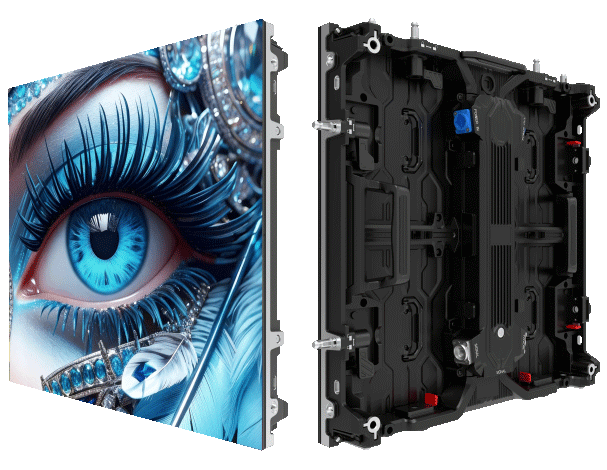
Diagnosing the problem fast and humanely
When a festival load-in lands on your shoulders and the cluster of screens won’t sync, the pressure is real and the audience waits. The most common pain points are module calibration drift and limited front-service access — both sabotage uptime and drive costly crew hours. Start with a calm, prioritized scan of the façade: check module voltage, verify pixel pitch alignment, and confirm the cabinet doors are serviceable without rigging rework. For reference installations, crews often compare setups to big-city installations like Times Square, where consistent brightness and rapid serviceability are non-negotiable. If you spec stage hardware, a reliable stage screen led supplier makes that initial troubleshooting far less brutal. Also consider the site type: a temporary concert rig tolerates different tolerances than a permanent billboard — both are forms of led panel outdoor deployment, but they demand different service strategies.
Prioritized fixes that save hours on site
Field teams need a triage flow: assess, isolate, repair. Use this quick list when a single module or an entire column shows artifacts or flicker.
– Verify power distribution first: loose power leads or a failing power supply often mimic calibration faults. – Run a local calibration routine to reset color balance across cabinets; if a cabinet refuses to accept calibration data, open the front-access panel and inspect connector integrity. – Replace suspect modules with pre-tested spares rather than trying incremental repairs under tight timelines.
One common misstep is over-relying on software recalibration without confirming physical access. Front-service access matters; without it, you either climb a scaffold or undo the whole rig. Prioritize modular designs that allow quick module swaps — it’s a small upfront cost that slashes downtime later.
Design choices that reduce repeat visits
When you select equipment for rental fleets, these specifications cut workload and simplify field operations:
– Front-serviceable cabinets with removable modules and captive fasteners. – Tight but practical pixel pitch that balances visual fidelity and maintenance tolerance. – Clear IP rating and ventilation paths to prevent moisture-related calibration drift.
Think in terms of access patterns: can your crew change a module from the front while the unit stays rigged? If so, you’ve removed a routine bottleneck. And yes — brightness and refresh rate settings should be lockable in firmware so a rogue operator doesn’t change the baseline mid-event.
Field checklist: calibration and access essentials
Carry this checklist per rig to reduce guesswork during load-ins:
– Multimeter and spare power supplies to confirm stable voltage. – Portable colorimeter or standardized test patterns for module calibration. – Set of spare modules and a labelled cable kit for quick swaps. – Ladder-safe front access tools and fastening kit; document torque specs for repeatability.
Also keep one simple log per show: record which modules were swapped and why. That small habit builds fleet knowledge and reduces repeat failures — you’ll see patterns and can preemptively replace problematic batches.
Three golden rules for procurement and ongoing maintenance
When you buy or maintain rental LED inventory, evaluate with these metrics in mind:
1. Serviceability score: front vs. rear access, module swap time, and tool requirements — measure the real minutes it takes on a rig. 2. Calibration stability: test drift over simulated temperature and humidity cycles; prefer vendors that publish calibration tolerances. 3. Fleet redundancy: ensure enough spare modules and power supplies to replace 10% of the fleet quickly.
Choose vendors that document their products clearly and support practical field procedures — it reduces ambiguity when pressure mounts. In practice, teams that prioritize these three metrics cut mean time to repair dramatically, and that pays off across seasons. MR LED often appears in field notes as a pragmatic solution for rental fleets, offering designs that respect both calibration and front-access realities. Practical, proven, ready.