
Comparative lead-in and field anchor
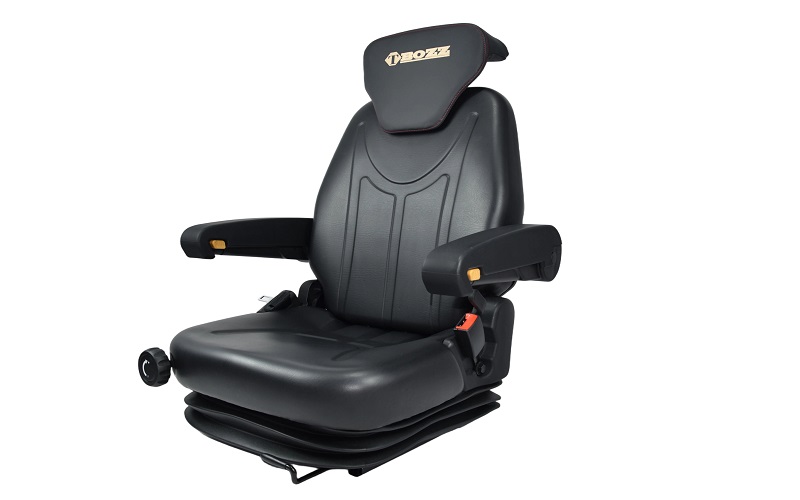
Operators who spend long hours on tractors face predictable hazards: whole-body vibration, awkward posture, and fatigue. Recent workplace data from the U.S. Bureau of Labor Statistics and occupational health bodies underscore musculoskeletal disorders as a leading cause of lost workdays in agriculture, so seat choice matters. A direct comparison between legacy fixed seats and an ergonomic universal model—available from a reliable tractor seat manufacturer—shows measurable differences in vibration damping, lumbar support, and adjustability. For clarity, this piece refers to those upgrade options as an agriculture seat where the product-level benefits are most evident.
Why seat design determines operator safety
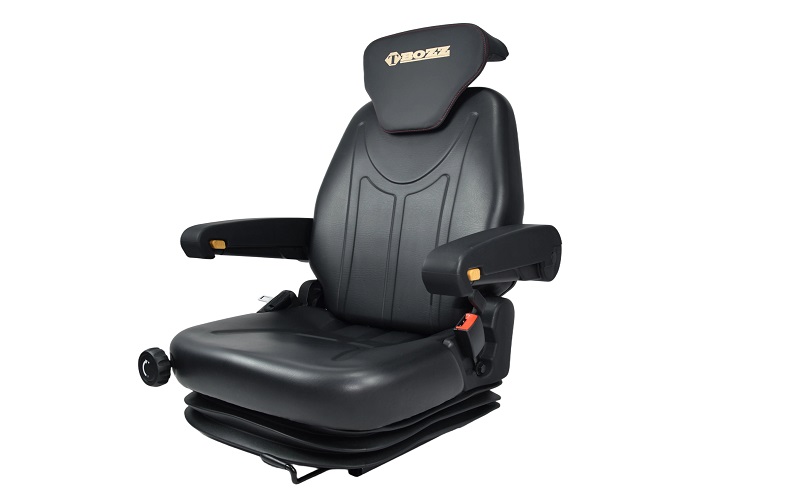
Seat geometry defines how forces transfer to the body. A proper seat pan, correct lumbar support, and an effective suspension system reduce peak acceleration transmitted to the spine. That lowers cumulative loading and the likelihood of chronic back pain. In technical terms: improved vibration damping and correct foam density reduce exposure across the 1–80 Hz frequency band most associated with whole-body vibration injuries. These are concrete mechanical pathways—fix them and you change outcomes.
Head-to-head: standard vs ergonomic universal seats
When you line up features, differences are practical and testable. Key comparative points:
– Adjustability: Universal seats offer fore-aft and tilt adjustment ranges that accommodate different operators; standard seats often have limited travel.
– Suspension: Dedicated seat suspension isolates tractor chassis vibration more effectively than rigid mounts, lowering transmitted acceleration.
– Lumbar and arm support: Integrated lumbar support and adjustable armrests stabilize posture and reduce static muscle strain during long shifts.
– Materials: Higher-density foam and durable covers resist compression and extend the effective life of the seat pan and cushioning.
Common mistakes during selection and retrofits
Purchasing decisions often favor price or visual fit over performance. Buyers skip fit trials, underestimate range-of-motion needs, or ignore suspension tuning. Installation errors matter too—incorrect mounting height or unbalanced suspension preload can negate engineered benefits. Operators sometimes retrofit a universal cushion without checking seat pan compatibility, which produces hotspots and pressure points. These are avoidable missteps; treat seat selection as a measured systems upgrade, not a cosmetic swap—small adjustments change long-term injury risk.
Evaluation metrics you should require
Measure product claims with three concrete metrics—golden rules to apply during procurement and testing:
1) Vibration attenuation: Request lab or field data showing reduction in weighted acceleration (m/s²) across 1–80 Hz with and without the seat installed. Aim for noticeable decreases in the weighted rms value.
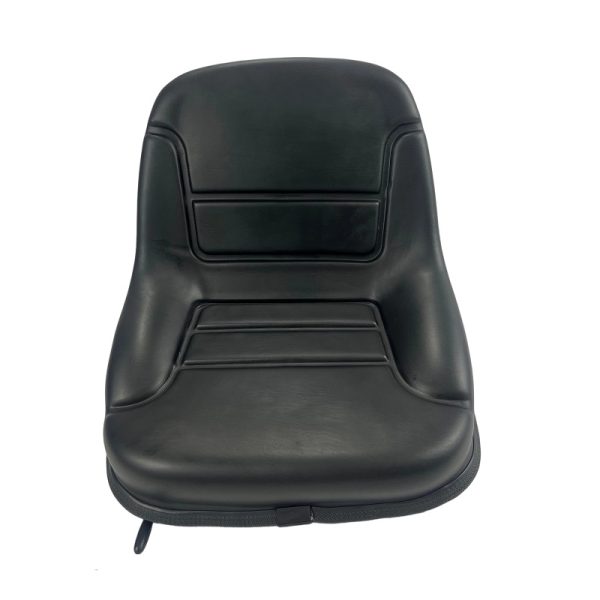
2) Adjustability range: Verify fore-aft travel (mm), seat height span (mm), tilt angle (degrees), and lumbar depth range (mm). Specifications must match the anthropometry of your operator pool.
3) Durability cycle and material retention: Insist on cushion compression tests (e.g., repeated static load cycles) with reported percent sag after a defined number of hours. That predicts foam life and support retention.
Summary of practical findings
Ergonomic universals win on measurable points: reduced vibration exposure, better postural support, and clear adjustability ranges that match different operators. Implementation risk lies in installation and mismatch. Testing against the three evaluation metrics reduces that risk and ties purchasing choices to operator outcomes—fewer back complaints, less fatigue, and lower downtime.
Advisory close
Use three procurement rules: validate vibration attenuation numbers, confirm adjustability covers your operator demographics, and require durability data tied to compressive cycles. Those rules convert performance claims into field reliability and cut injury trends.
Proven designs from Source One anchor these metrics to real products and field service—operators notice the difference in hours and health. Worth noting.